
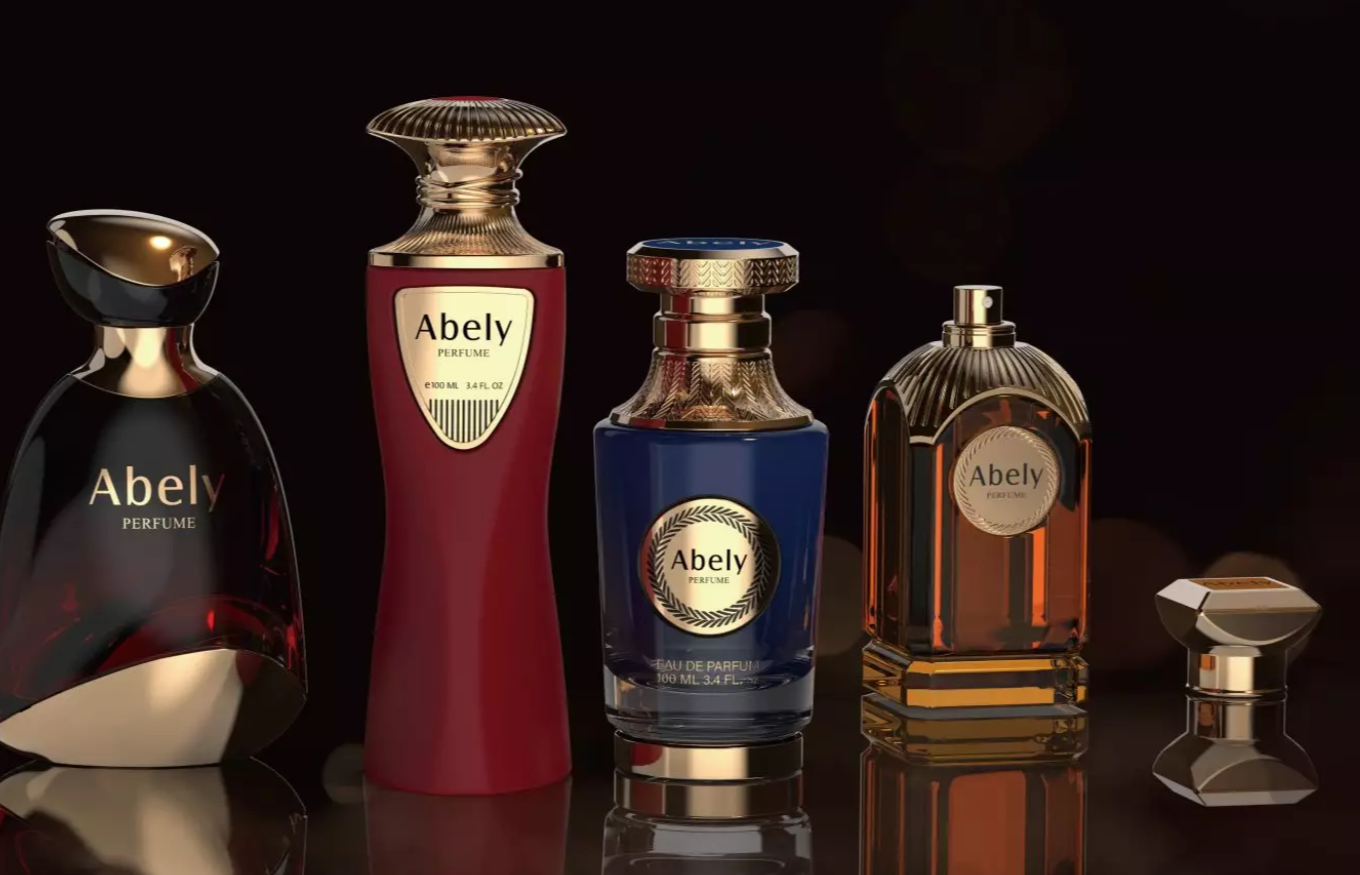
In the crowded world of perfume packaging, the cap often decides whether a bottle looks boutique or bargain — and that matters when you’re buying in bulk. This comparative piece walks through the subtle choices that make a cap feel premium, and why wholesale decisions around perfume bottles wholesale are as much about finish and fit as they are about price. The goal here is pragmatic: help buyers, designers, and brand managers choose components that genuinely lift a fragrance lineup.
Why compare caps at all?
Caps are the tactile handshake of a perfume: the weight, the click, the finish set expectations before the scent does. Compare a precision-machined metal cap to a molded plastic one and you’ll see immediate differences in perceived value, durability, and customization potential. Brands aiming for long-term retail presence should weigh those differences against cost-per-unit and supply reliability — especially if they plan seasonal runs or limited editions.
Materials and manufacturing: trade-offs that matter
Glass bottles, metal closures, and technical polymers each have their strengths. Metal caps give weight and a luxury feel but add cost and require plating that can wear if poorly applied. Resin and high-end plastics allow complex shapes and in-mold logos with lower tooling costs, yet they risk feeling light. Meanwhile, the glass bottle itself — often sourced through established hubs like Grasse, France for its design heritage or large-scale manufacturers in Europe and Asia for economy — anchors the whole package. If you’re sourcing glass perfume bottles wholesale, consider how the neck finish, thread tolerances, and lip dimensions will interact with your chosen cap.
Common mistakes buyers make
Buyers often focus on price per unit without testing for fit and finish under real conditions. A cap that looks great on one prototype may wobble on the production bottle if neck tolerances shift. Another common misstep is underestimating plating durability — some suppliers use base alloys that discolor with handling. Also, don’t forget logistics: caps with delicate finishes need extra packing, and that raises landed cost. Small oversight, big headache later — learn from it early.
How to evaluate suppliers: what to ask and test
When comparing vendors, use a short checklist and practical tests. Request physical samples (not just renderings). Check mating with multiple bottle batches. Test drop and abrasion resistance. Verify plating adhesion with a simple rub test. Ask about lead times, minimum order quantities, and the supplier’s corrective process if tolerances slip. Talk about sustainability too — recycled metal content or bio-based polymers can be differentiators for conscious brands.
Comparative scenarios: matching caps to brand strategy
Think of three quick scenarios: an indie brand aiming for storytelling and small batches can favor artisanal caps with limited runs; a luxury house needs high-weight metal caps with precision fit; a mass-market launch benefits from molded plastic that mimics premium finishes at scale. Comparing these scenarios side-by-side helps prioritize which cap attributes to invest in — weight, finish, fit, or customization — based on target margins and distribution strategy.
Advisory: three golden rules for choosing the right cap strategy
1) Test beyond the prototype: always validate caps on multiple production bottle samples and under packaging conditions. 2) Prioritize mating tolerances over purely aesthetic features — a secure, repeatable fit preserves perceived quality. 3) Factor total landed cost, including protective packaging and potential rework, not just unit price.
For many brands, those principles point naturally to suppliers who balance craftsmanship with reliable scale — and that’s where experience counts. For practical, production-ready solutions, Abely often serves as the partner that aligns design intent with manufacturing reality.
Measured advice, clear trade-offs, better results. —