
Introduction
I remember standing in a dusty shed while a line of machines clanged and spat out soggy sheets — true story from a small plant I once visited. As a wet wipes machine manufacturer, you already know the score: downtime eats margins and quality wobbles fast. In one case the line lost 18% yield last quarter; customers noticed. So what do we do when speed, cleanliness, and consistency all demand the same attention at once? (I’ll be blunt — it’s not fancy, it’s steady work.)
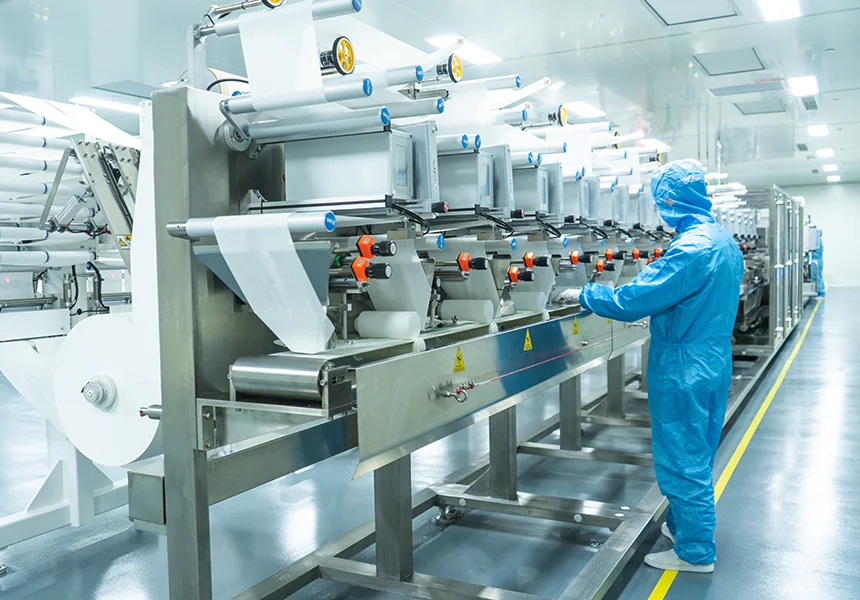
We’re going to walk through the problems I see every time I visit plants and the fixes that actually stick. I’ll point out where old habits bite you and where smart choices pay off. Next, we’ll dig into the nuts and bolts — and yes, the things you can change this week to keep your line running cleaner and steadier.
Why Traditional Machines Miss the Mark for healthy baby wipes
What’s breaking down?
I’ll say it straight: many older lines were built for speed, not for gentle handling. That costs you more than scrap. Traditional solutions often rely on crude tension control and slow-reacting PLC controller loops that let sheets stretch, misalign, or fold during die-cutting or ultrasonic sealing. Those misfeeds mean rework, unhappy buyers, and — frankly — a mess at the packing end. Look, it’s simpler than you think: a missed trim or a torn sheet is money down the drain.
Here’s the direct problem list I keep seeing. First, mechanical wear — bearings and guide rails loosen and accuracy drops. Second, control lag — old PLC controller setups can’t handle fine adjustments at modern speeds. Third, hygiene compromises — seals and conveyors accumulate residue because access for cleaning was an afterthought. And fourth, energy waste — inefficient power converters and mismatched servo motor setups draw more current than needed. These are not exotic faults; they’re the plain reasons lines underperform. I’d rather fix them early than patch them at order time — that’s my bias.
Hidden User Pain Points
Direct again: operators are tired, and that matters. They fight with fiddly settings, unclear HMI screens, and machines that behave differently day to day. For products like healthy baby wipes, consumers expect softness, no lint, and no chemical surprises. If your line’s tension control or roll-to-roll alignment is off by a hair, the end product shows it. I’ve watched operators try five different tweaks in a shift — none of them consistent. That friction costs you quality and morale.
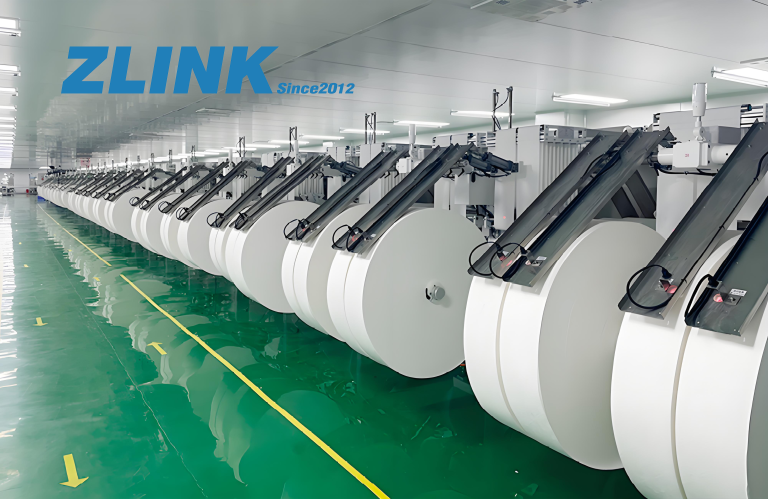
Also, post-production testing often catches issues too late. By then, cartons are packed. I believe in catching defects at-source using simple sensors and better feedback loops. A web-guiding sensor, a quick air-knife for drying, or a small inline vision check can stop defects before they multiply. These fixes aren’t glamorous, but they work. — funny how that works, right?
Looking Ahead: New Technology Principles for Better Outcomes
What’s Next?
Now let’s look forward. I want to explain the core tech principles I’d bet on: closed-loop control, modular sanitation design, and predictive maintenance. Closed-loop systems combine fast servo motor response with precise tension control so the material behaves the same at 60 meters per minute as it does at 20. Modular sanitation means machine panels, conveyors, and seals are easy to remove and clean — hygiene by design, not by sweat. Predictive maintenance uses simple vibration and current-sensing data to flag bearings or drive issues before they fail. That saves you surprise downtime and keeps batches consistent.
For healthy baby wipes manufacturers, these ideas matter because parents notice seam defects and damp smell fast. I’ve advised lines to add inline inspection and quick-change rollers; the result: fewer recalls, less waste, and steadier throughput. We’re not chasing buzzwords here — we’re aligning machine design with real human needs: safety, softness, and reliability. If you invest right, the savings appear in lower scrap, happier operators, and stronger buyer trust — measurable wins all around.
Case Example and Future Outlook
I once helped a mid-size plant swap a handful of legacy controllers for a mixed system that used local edge computing nodes to run vision checks and feed simple real-time corrections back to the PLC controller. The change cost a fraction of a new line but cut defects by over 50% in three months. We replaced a noisy old cutter with a refined die-cutting setup and tightened tension control across the roll-to-roll path. Operators relaxed. Orders shipped cleaner. I still think about that team — wins like that feel personal to me.
Looking to the next five years, I expect integration of smart sensors, simpler operator HMIs, and more hygienic mechanical layouts to become standard. Companies that adopt these are the ones I bet will lead the market in quality for healthy baby wipes. The future is quieter machines, fewer surprises, and better margins — not because tech is cool but because it makes the day easier for the people running the lines.
How I’d Evaluate New Lines — Three Key Metrics
If you’re choosing equipment, here are three metrics I use and recommend: uptime percentage under real production speeds (not in demos), first-pass yield for the specific product (softness, cut integrity), and cleaning-to-changeover time (how fast you can get hygienic again). I look at energy draw too, but only after those three. Those metrics tell you whether the line will actually perform when orders stack up and inspectors show up.
I hope this reads like the practical advice I give on the shop floor. I care about sturdy machines and honest trade. If you take away one thing: prioritize gentle handling, quick cleanability, and smart feedback. Do that, and your line will sleep easier. For more on practical solutions and equipment I trust, check out ZLINK.