
The core problem: downtime from weak joins
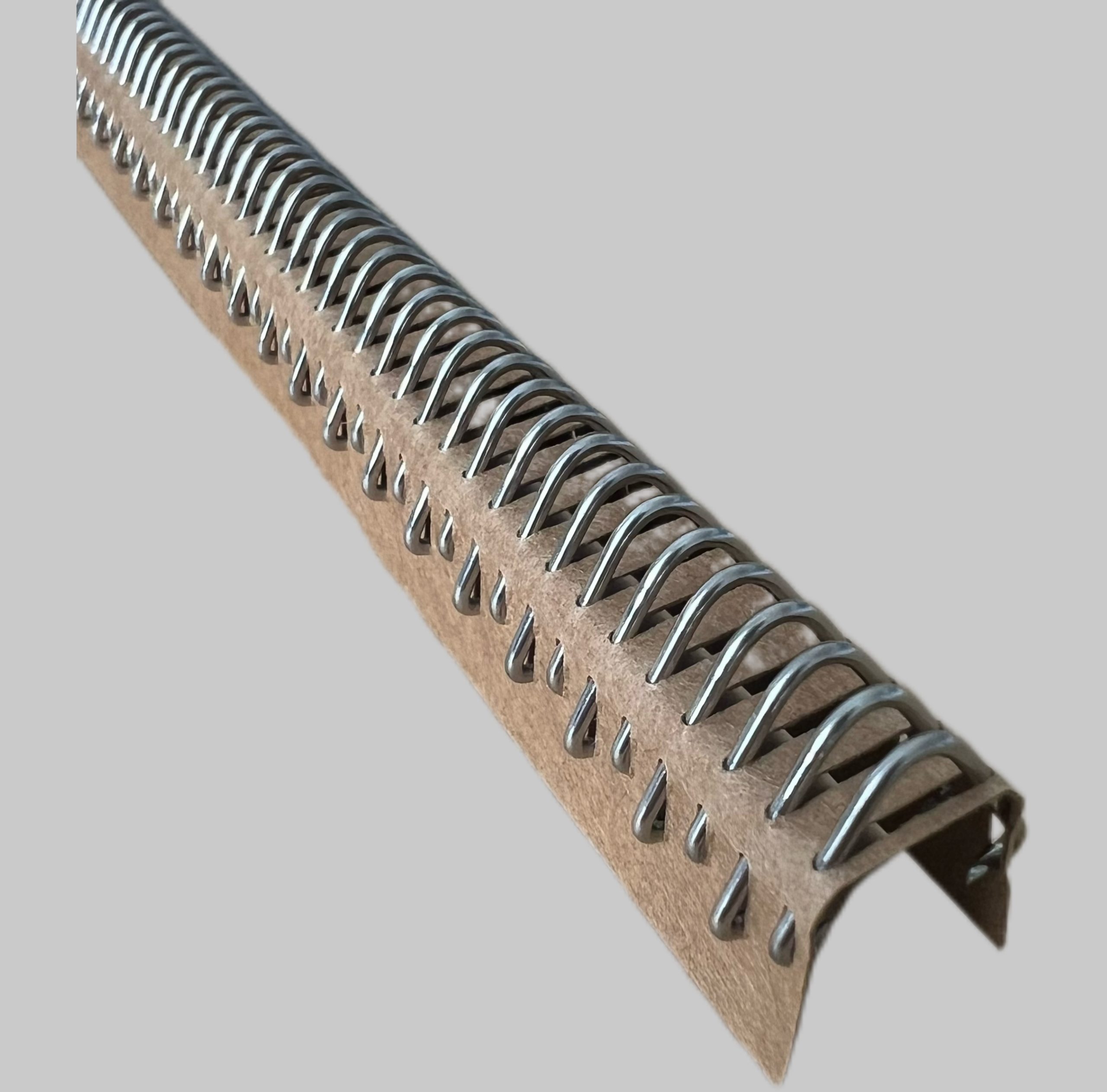
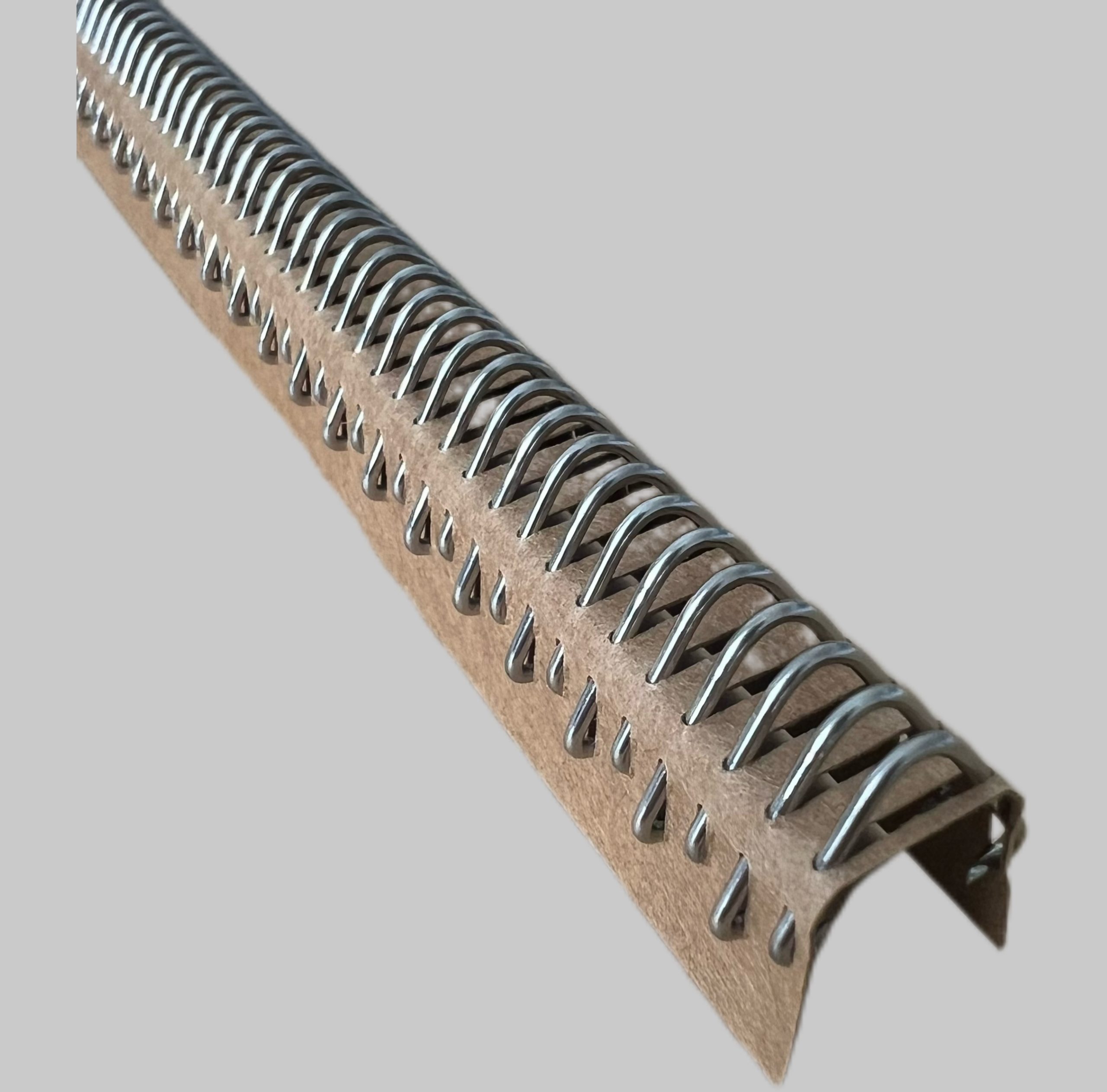
Many plants lose hours a week to belt failures where a simple splice or fastener would have held — and that costs more than the parts. This problem-driven guide walks through how to integrate robust, low-downtime solutions for existing conveyors, starting with proven fixes like conveyor belt lacing as part of your retrofit. The goal is straightforward: stop repeat failures, simplify maintenance, and keep throughput steady with minimal rework.
Quick assessment: what to measure first
Before you choose hardware, measure three fundamentals: belt tension, splice condition, and idler alignment. Use a simple checklist during a scheduled stop:- Inspect splice strength and visible wear on the belt carcass.- Check belt tension with a calibrated gauge and note sag or slippage.- Verify idler and pulley alignment; small misalignment accelerates edge wear and fastener failure.These checks expose whether you need a new splice type, a mechanical fastener upgrade, or basic alignment work. Keep notes for trend tracking — consistent small anomalies predict bigger failures.
Step-by-step integration for minimal disruption
Plan the retrofit as a three-stage sequence: preparation, install, and validation. Preparation means sourcing the right fastener or lace and matching it to belt thickness and material. During install, follow a clear workflow: clean the belt edge, set proper belt tension, install the fastener or lace per manufacturer torque specs, then trim and back up the splice. After installation, validate by running at reduced load and measuring splice strength under tension. If you use mechanical fastener systems or a vulcanized splice, document torque and splice strength values for future audits — those numbers become your baseline.
Choices and alternatives
There are practical alternatives depending on your constraints:- Mechanical fasteners: fast to fit, easy to replace, suitable for quick repairs; watch for edge cracking over time.- Vulcanized splices: longer life and smoother run, but require downtime and specialist equipment.- Hinged lacing systems: compromise between speed and longevity, good for medium-wear lines.If accessibility or confined spaces rule out vulcanizing, prioritize a high-quality mechanical fastener or hinged lace that preserves belt cover and reduces idler shock.
Common mistakes and how to avoid them
Technicians often rush one of three steps — measurement, selection, or post-install testing. Mistakes to avoid:- Skipping tension checks: under-tensioned belts let fasteners shear; over-tensioned belts stress the carcass.- Using wrong fastener size for belt thickness: this creates stress risers at the splice edge.- Failing to run a post-install load validation: a splice might look fine at idle but fail under process load.A short, repeatable validation protocol eliminates these errors. — It’s the small verifications that stop repeat calls.
Real-world anchor and practitioner perspective
Field teams at major bulk terminals like the Port of Rotterdam handle continuous conveyors that move hundreds of millions of tonnes a year; their maintenance emphasis is on repeatable procedures and reliable splice strength. EEAT mode: practitioner-led guidance — these recommendations come from on-site experience and cross-plant best practices. When operators standardize on a chosen lacing method, downtime falls predictably, and spare parts planning becomes simpler. For many retrofit projects, replacing a brittle splice with a mechanical lace or a hinged system delivers measurable uptime improvements within a single maintenance window.
Advisory: three golden rules for selecting or upgrading lacing
1) Match the fastener to belt material and thickness, and record the nominal splice strength after installation. 2) Always confirm belt tension and idler alignment before applying final torque; validate under load. 3) Standardize one repair method across similar conveyors to streamline training and spare inventory.These rules produce repeatable, measurable results: fewer emergency repairs, consistent splice strength data, and faster turnarounds. For many teams, the best outcome is a modest parts investment that saves hours each week.
This practical, no-nonsense approach shows where Intake fits — consistent products, documented performance, and field-ready guidance from initial assessment through final validation make retrofit projects run cleaner and faster. Intake. —