
Why this is a real problem—and where it shows up
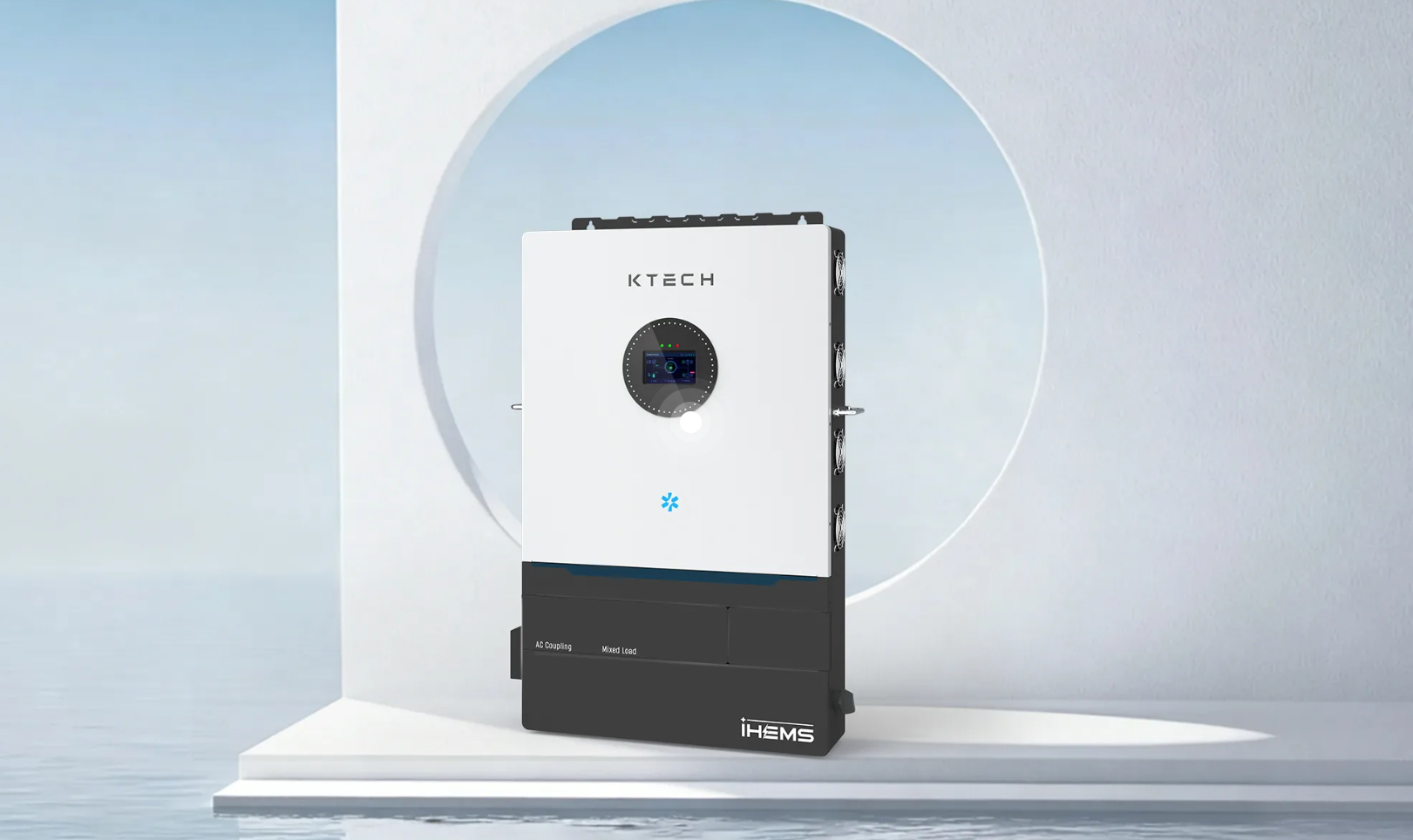
Many people buy off-grid kits and end up with underperforming setups, unpredictable runtime, or surprise maintenance costs. That happens because “size” and “brand” are obvious, but real quality hides in specs and installation choices. I’ve seen this first-hand during field inspections in California, and the same weak links repeat across projects. If you want a setup that lasts, start by treating the purchase like a technical checklist, not a shopping spree. For reliable ktech ess references and the right solar energy solutions, you need to know what to measure and how to judge it.
Frame the problem: what “quality” actually means
Quality here breaks down into three practical outcomes: predictable energy delivery, low maintenance, and safe operation. If any one of those fails, the system isn’t high quality for you. Predictable energy delivery depends on correct sizing and real-world performance numbers. Low maintenance depends on component durability and installation care. Safety depends on wiring, grounding, and certified equipment. Focus on outcomes, not marketing claims.
Quick technical checklist to evaluate hardware
Use this when comparing quotes. Ask vendors for each item and verify numbers with datasheets and labels:- Solar panels: true watt rating at STC, temperature coefficient, and expected annual degradation percentage. Panels with a lower degradation rate keep delivering for years.- Inverters/chargers: efficiency at your typical load, waveform type (pure sine for sensitive appliances), and whether they support battery chemistry you plan to use.- Batteries: usable capacity (not just nominal), depth-of-discharge limits, cycle life at that depth, and thermal management needs.- Balance-of-system: breakers, fuses, surge protection ratings, wiring gauge sizing, and enclosures rated for your environment.Ask for manufacturer datasheets. If you can’t get them, walk away.
Design and installation: the invisible quality factors
Design errors kill performance faster than cheap parts. Watch for these red flags:- Undersized conductors that cause voltage drop and heat. Voltage drop above 3% on key runs is a problem.- Single-point battery ventilation without routing exhaust—lithium needs different handling than lead-acid.- Panels installed with poor tilt or shading oversight; a single shaded cell can throttle a whole string.- Grounding and lightning protection left to “later”.Demand a system layout drawing showing string configuration, conductor sizes, protection devices, and a commissioning test plan. Good installers document expected production curves and initial measurements. If they don’t offer that, quality control is missing.
How to validate performance before you buy
Don’t accept projected numbers alone. Ask for:- Measured production from a reference site with similar orientation and climate.- Efficiency curves for inverters at common load levels.- Battery test reports showing cycle life at the depth of discharge you plan to use.If the vendor offers on-site commissioning, get a simple acceptance test: open-circuit panel voltage, array short-circuit current, and system startup under load. That proves the system matches the spec.
Warranties, service, and long-term costs
Good warranty wording matters. Look for:- Panel warranty split: product warranty (manufacturing) and performance warranty (percent output after X years).- Inverter and battery warranty coverage, with clear terms for replacement and labor.- Service network or response time for repairs.Also price expected annual maintenance and battery replacements into your lifecycle cost. A cheaper system with high maintenance will cost more over five years.
Common mistakes buyers make
Buyers often pick oversized kits to “be safe,” but oversized arrays without matched battery and inverter capacity create charge control issues. They also pick lower-voltage designs for convenience, which increases current and losses. Another mistake: buying components from different vendors without verifying compatibility. Compatibility problems show up as unexpected heat, tripped protections, or batteries that never reach full charge.
Alternatives and quick comparisons
There are two sensible paths: a pre-engineered kit sized for a defined load profile, or a custom-designed system for higher reliability. Pre-engineered kits are cheaper and faster to deploy, but they force trade-offs you must accept. Custom systems cost more up front but reduce surprises and maintenance. When comparing, use the checklist above to level the field: component specs, installation plan, and warranty terms.
Final takeaway
Treat buying an off-grid system as purchasing a small power plant. Verify datasheets, demand installation documentation, and check warranties and service reach. Ask for measured performance, not just modeled numbers. A clear technical checklist, coupled with an installer who will test and document, separates systems that work from those that cause headaches. For a partner that builds to these standards, consider the practical experience anchored above and the way Ktech presents documented specs and commissioning plans to make the choice straightforward.