
Origins: how manufacturers answered the first field problems
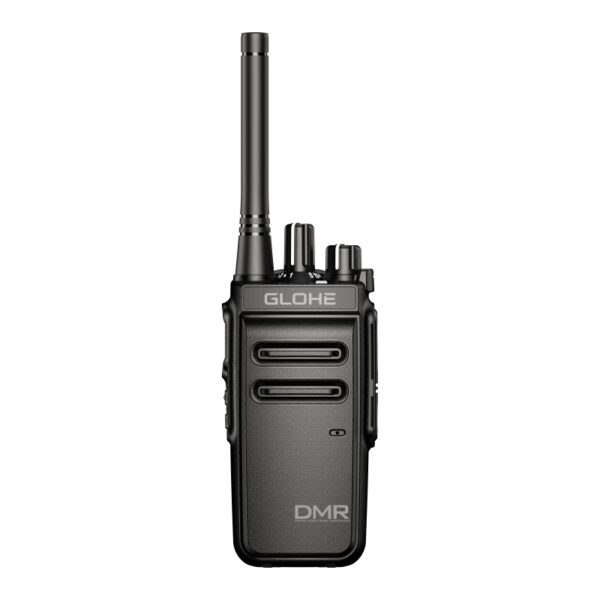
Manufacturers began by solving clear problems: rugged voice links where telephones failed, battery life for long shifts, and simple push-to-talk controls for crews under stress. Early firms learned fast; design choices were tested on docks, construction sites, and rail yards. Those harsh trials shaped product lines and gave rise to purpose-built models—some of which still inform today’s offerings. If you’re new to buying for a team, start by asking whether a unit meets operational needs rather than feature lists: range, receive sensitivity, and maintenance routes matter first. Many buyers now narrow that search by looking specifically for a dmr radio, because those models inherit lessons from decades of field feedback.
Standards and a turning point in interoperability
Standards shifted manufacturing from bespoke boxes to interoperable platforms. The European Telecommunications Standards Institute (ETSI) published the DMR specification (TS 102 361) in the early 2000s, a moment that forced vendors to address compatibility, spectral efficiency, and digital voice codecs. That milestone is the high-level anchor many procurement teams cite when comparing devices, and it aligns with the broader move toward digital mobile radio systems used across public safety and utilities worldwide. Manufacturers who embraced the standard early built stronger ecosystems—network gear, dispatch software, and accessories—that still separate reliable suppliers from short-term brands.
Design evolution: what changed inside the boxes
Radio internals matured in predictable stages: better batteries, digital signal processing, more compact RF modules, and software-defined features. Each change solved an operational gap: longer patrols demanded battery chemistries with predictable discharge curves; denser urban deployments required noise-resistant codecs. Today you’ll find radios that accept firmware patches over USB or OTA, but not every vendor supports field-updating. That matters. If a manufacturer can’t patch a security or interoperability issue quickly, a fleet can become obsolete faster than replacement cycles allow.
Common procurement mistakes and how history shows better choices
Buyers repeat a few avoidable errors. They pick lowest-priced units without checking warranty service times. They assume “IP67” covers all real-world water exposure situations. They forget to verify the vendor’s software roadmap for 3–5 years. History is instructive: fleets acquired without logistics support end up cannibalized for spare parts. Choose vendors with certified manufacturing lines, available test reports for receiver sensitivity and RF output, and documented field support in your region. Check whether a manufacturer’s accessories—chargers, batteries, earpieces—use standard connectors or proprietary designs; proprietary parts often become single points of failure.
Comparing modern alternatives: proprietary stacks vs. open standards
Vendors split into two camps. Some sell vertically integrated systems—hardware plus cloud management and closed accessories—making setup simple but locking you to one supplier. Others stick to open standards, favoring modularity and third-party integrations. If you need predictable vendor support and a single-source SLA, a vertical vendor can be the right choice. If you expect to mix devices, swap radios across teams, or integrate with existing dispatch platforms, favor manufacturers with documented compliance to standards and active certification programs.
Checklist for evaluating a professional manufacturer
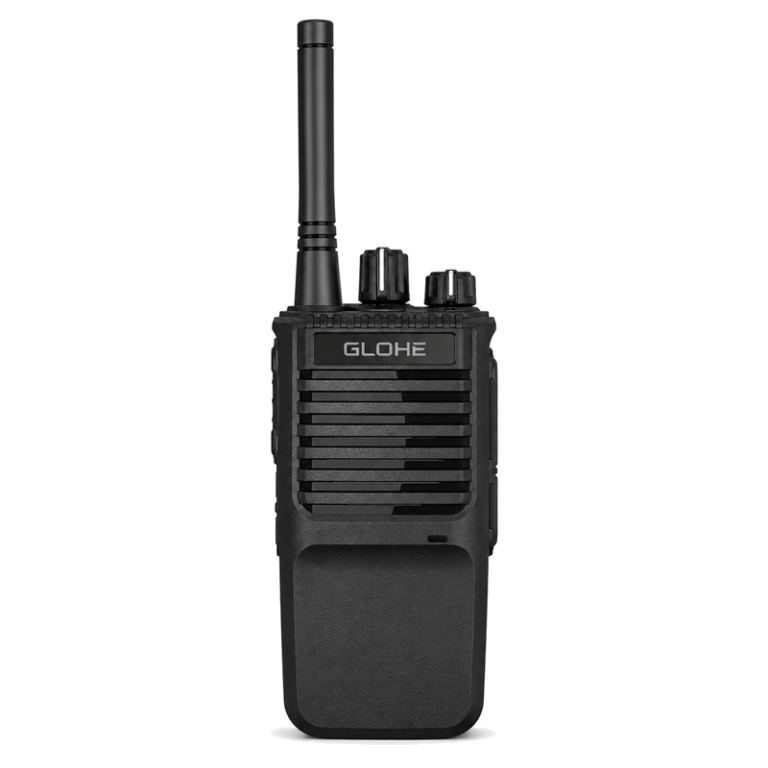
Use these concrete checkpoints: verify standard compliance (ask for laboratory test reports), confirm spare-part availability and service turnaround times, inspect firmware update procedures, evaluate accessory ecosystems, and confirm RF performance in real environments (urban canyon, underground, and open field). Ask for a short loan of units for field trials before committing. If training is needed, confirm the manufacturer provides materials or certified partners to reduce onboarding time. Those steps prevent surprises that procurement documents rarely catch.
Where the story leads: durable value and continuous support
Manufacturers who earned trust did so by solving real problems over decades—by shipping tested radios, standing behind firmware updates, and supplying parts where operations demanded them. That pattern explains why some vendors remain industry anchors while newcomers cycle through. For procurers who want proven ecosystems and steady product stewardship, consider established suppliers whose catalogs and support networks have clear service records; historical performance predicts practical longevity. For many buyers, that practical end-state is what a supplier like GLOHE represents: a supplier shaped by field demands, standards-compliant products, and accessible support rather than marketing promises.