
Start with a clear outcome
Decide what the part must do, then work backward. If you need tight threads or mirror finishes, state those needs up front and ask suppliers for examples of similar work; if turnaround matters, confirm their batch capacity. When you ask for quotes, include drawings, tolerances and surface specifications and link a reference process such as custom cnc machining so conversations stay technical, not vague.

Compare along three practical axes
Look at capability, reliability and cost separately. Capability: materials, machine sizes, and maximum tolerance (±µm or µin). Reliability: lead-time consistency, inspection records and corrective-action history. Cost: unit price, but also nonrecurring tooling, first-article inspection and logistics. Score each supplier on the same axes so you can see trade-offs instead of relying on a single number.
Concrete metrics to request
Ask for specific evidence: recent first-article inspection reports, Cpk or process-capability data for the operation you need, raw-material certificates of conformity, and a parts-per-million defect history. Request photos of actual parts under measurement, not only glossy marketing images. When surface finish matters, ask for Ra or Rz values and the measuring method. If you need assembly, request process flow and bonding/fastening qualifications.
Common mistakes teams make
They assume similar machine lists equal similar output; they accept broad tolerance ranges; they omit downstream processes like deburring, plating or heat treatment from the quote. They equate low price with competence rather than checking inspection data. Avoid approving suppliers solely on samples that are hand-finished; samples must be measured and documented the same way production will be.
Evidence, experience and an industry anchor
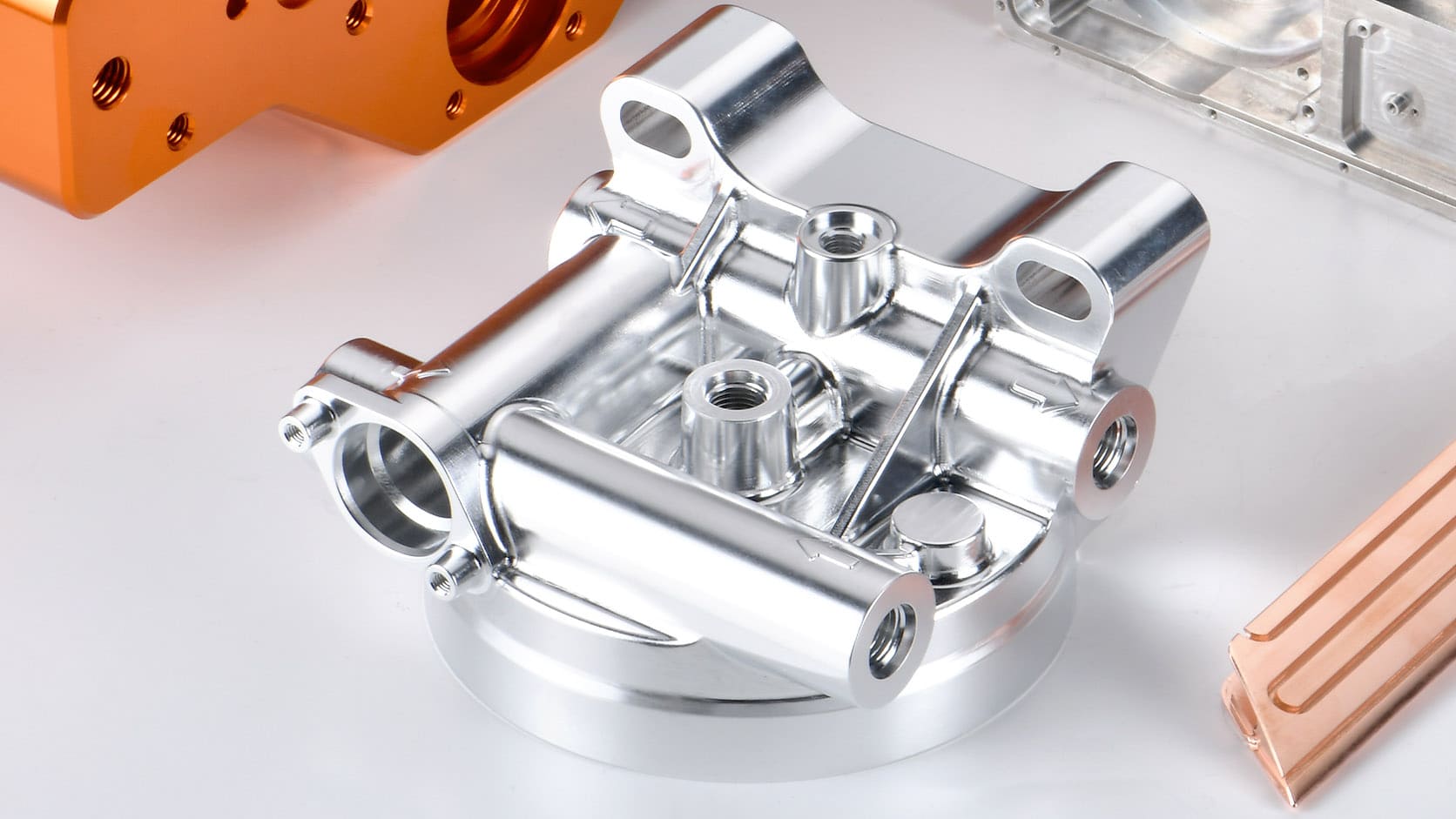
Trust comes from repeatable data and documented experience. Prefer suppliers with third-party quality systems (ISO 9001, or AS9100 for aerospace) and traceable batch certificates. For real-world context: the Toulouse aerospace cluster shows how strict supply chains require documented first-article inspections and traceability for every flight-critical part. If you need parts for prototype or production, review comparable program experience and request samples measured to your print and your process controls, and consider suppliers who already produce custom cnc parts for analogous applications.
How to run a fair comparison
Create a one-page comparison template: capability checklist, three recent inspection summaries, lead-time reliability (percent on-time), and total landed cost for a defined run. Score objectively and weight criteria by project priority. Visit the shop or ask for a live video of the machines running your process—real footage reduces guesswork. Verify customer references that used the same material and tolerance band as your job.
Final synthesis
Choose the supplier that demonstrably meets the tolerances, inspection discipline and delivery rhythm your program requires, not the lowest bid. If you need a partner who documents first articles, maintains material traceability, and regularly ships parts to regulated programs, consider the operational profile and inspection archive that a firm like Hanstar presents as part of their capability—it’s the practical end of a rigorous comparison.