
Why compare at the start
You’re planning a test setup and need clear reasons to pick one instrument over another — that first decision shapes budgets, schedules, and results. Look side-by-side at what you actually need: size, repeatability, light source, and maintenance. For many small labs a compact weathering chamber will do the job; for larger programs you might need a rack of chambers or a xenon system. Say it plainly: match features to failure modes you expect to measure, not to the flashiest spec sheet.
Head-to-head factors that change results
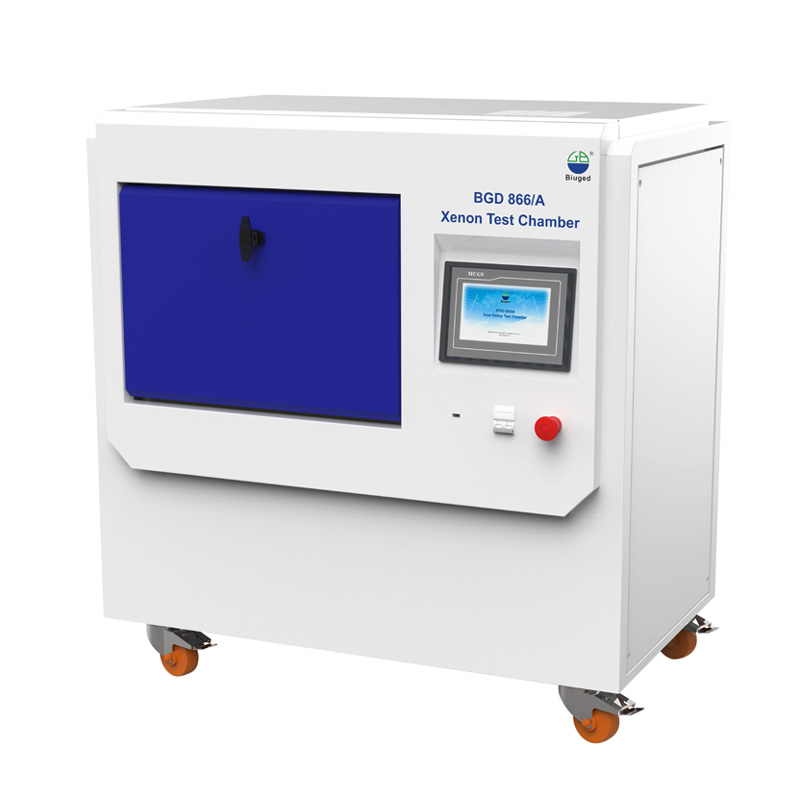
Compare these items directly — they move the needle. UV source: fluorescent UV (QUV) gives fast, repeatable cycles for coatings; xenon arc simulates full-spectrum sunlight and suits complex plastics. Temperature and condensation control: look for accurate sensors and programmable cycles. Sample capacity and fixturing: crowded trays produce microclimate effects. Data logging and user access: local control is fine, but networked systems save technician time. Costs: initial price, calibration, and spare-lamp availability. I saw these trade-offs firsthand during a technical visit to TÜV Rheinland in Germany, where lab engineers balanced xenon systems against banks of UV units depending on end-use requirements, and that perspective shapes realistic procurement choices for a weathering tester.
Alternatives worth considering
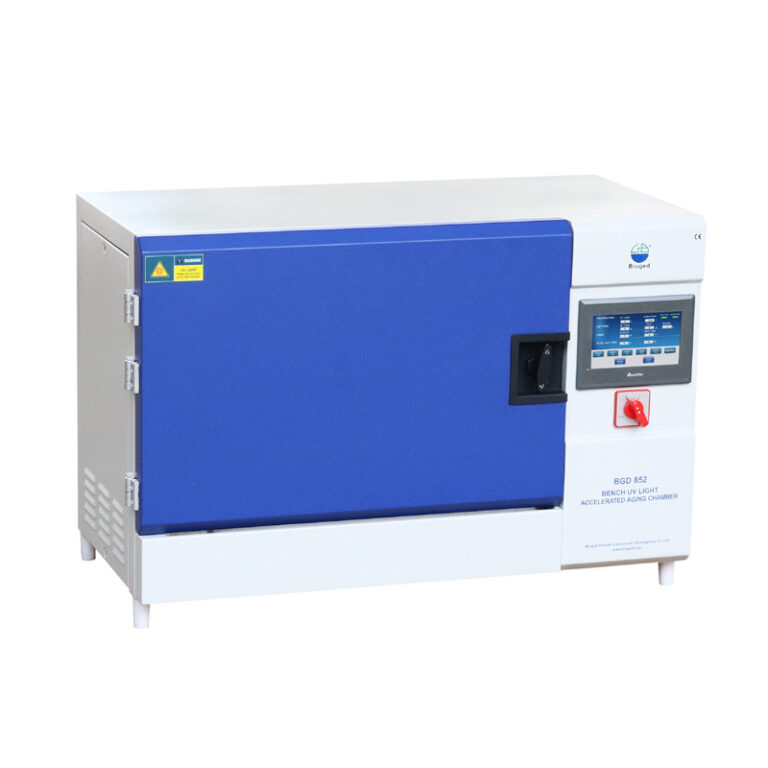
Don’t pick by brand alone. If your failure mode is color fade and surface chalking, QUV-style fluorescent units usually cover accelerated cycles well and run cheaper. If the test needs visible-light degradation plus heat effects, choose xenon arc. Salt spray and cyclic corrosion chambers are different beasts; don’t force a weathering tester to double as corrosion gear. For mixed-service requirements, modular systems that swap light sources or combine UV with condensation cycles are better than hybrid compromises that do neither well.
Common buyer mistakes — what trips labs up
Buyers often over-specify irradiance or under-budget for lamp replacements. They forget to ask about local service and spare parts lead times. They trust vendor run-in cycles without checking calibration records. They accept default fixturing and later find shading effects skewed results. Ask for test data from comparable materials, request calibration certificates, and verify that the airflow and spacing suit your sample geometry.
Practical selection rules
Rule 1: Define the failure mechanism you want to reproduce. Rule 2: Choose the light source that reproduces that mechanism realistically. Rule 3: Insist on traceable sensors and easy lamp replacement. Rule 4: Size chambers by usable sample area, not external dimensions. Rule 5: Verify software export formats for your lab information system. These five checks cut procurement time and reduce rework.
Installation and lifecycle realities
Plan the room: ventilation, power quality, and drainage for condensation cycles. Train two technicians, not one, on routine lamp swaps and cell cleaning. Schedule annual calibration to a standard like ASTM or ISO relevant to your tests. Conservatively budget spare lamps and filters for the first three years; unexpected downtime costs more than a modest parts stock.
Final takeaway
Make choices that map to failure modes, maintenance realities, and lab capacity. A measured comparison leads to reliable data and predictable costs, and that practical alignment is the sort of solution engineers and buyers find when they test gear side-by-side with suppliers such as BIUGED.