
What changes between category research and model review for Power Conversion System: documentation for early research
Early research on a power conversion system should answer a basic question first: what job must the equipment perform in the planned energy system? Product development teams need more than a product label. They need to connect the operating context, energy paths, installation limits, and project stage before treating a page as a model recommendation.
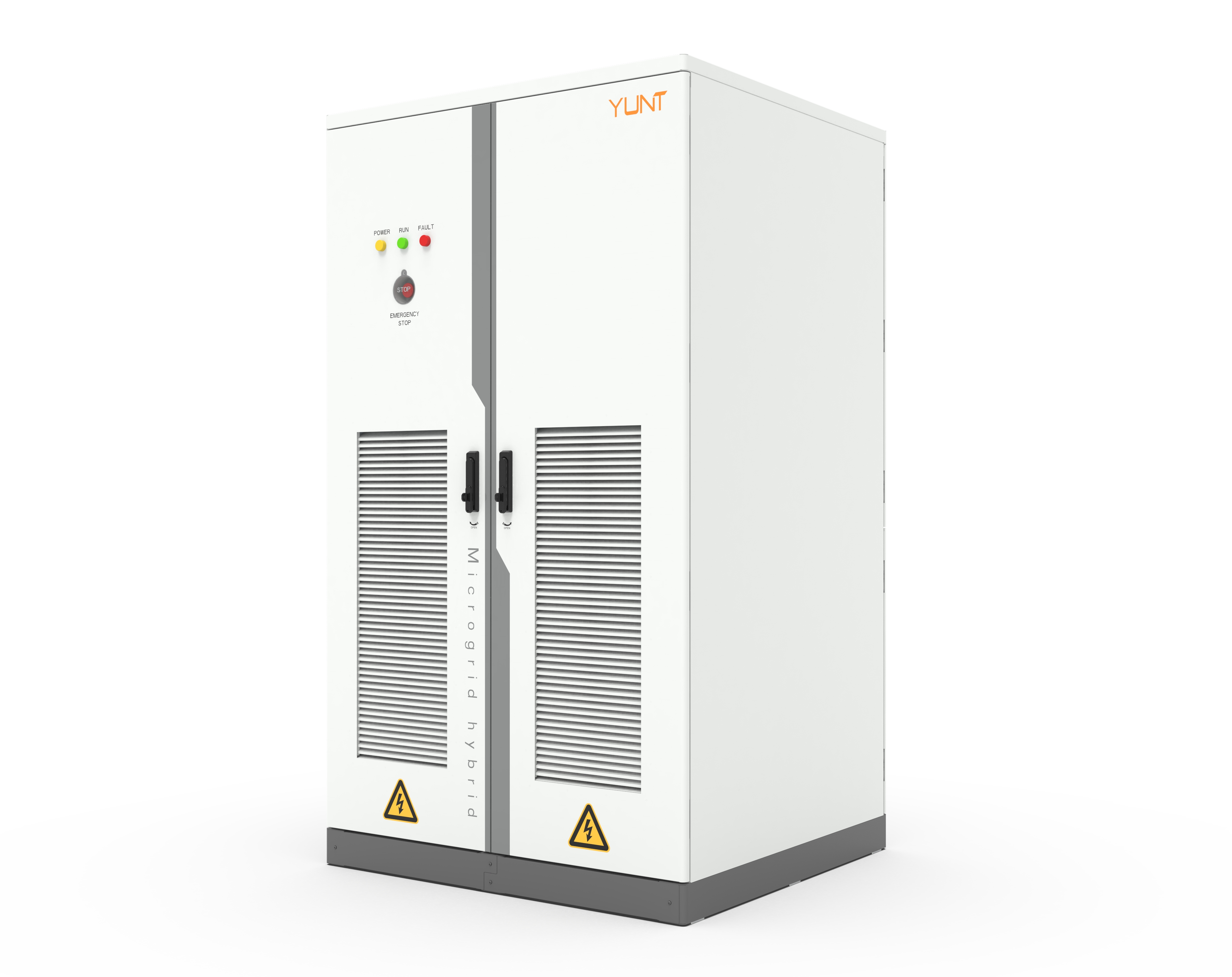
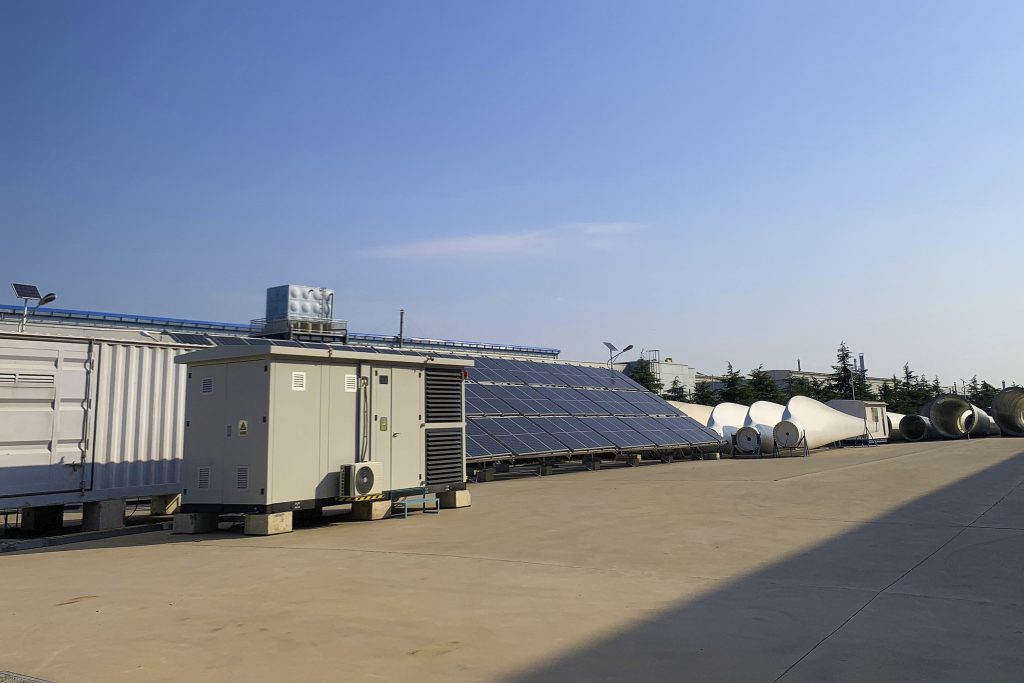
Start with the operating context. The cited product page describes a PCS solution for commercial and industrial energy storage. It also describes energy flow between batteries, renewable sources, and the utility grid. That framing gives a useful starting point, but it does not replace the project brief. Record whether the intended system will charge batteries from renewable generation, use off-peak electricity, supply local consumption, export to the grid, or combine several of these functions.
Describe the operating context
The next step is to separate system purpose from product language. A page may describe bidirectional AC-DC conversion, monitoring, load management, and renewable-energy integration. These details help a team identify the functions that belong in its early comparison. They should not be treated as proof that every configuration will meet a particular site requirement. Instead, place each statement beside the project question it may help answer.
For example, a team can create a short requirements record with four headings: energy source, storage interface, grid relationship, and operating objective. Under energy source, note whether renewable generation is part of the design. Under storage interface, identify the battery arrangement being considered. Under grid relationship, describe expected import, export, or on-grid and off-grid operation. Under operating objective, state whether the early focus is energy shifting, load management, or another defined use.
Identify compatibility and responsibility questions
When reviewing a pcs power conversion system, compatibility questions should be explicit rather than implied. The page states that the described solution supports multiple battery inputs and that the product offers modular bidirectional conversion. Those statements can guide a discussion about battery interfaces and system architecture. They do not, by themselves, establish compatibility with a particular battery, control system, voltage arrangement, or site.
Space is another early design responsibility. A model review should record the intended installation area, access needs, cable routes, and surrounding equipment as project requirements. Do not infer that a listed power range or modular description resolves those issues. The page describes a range from 125kW to 1000kW for the stated product solution, but a range alone does not select a model or prove that an installation will fit.
A concrete page-level reference can help keep this process grounded. On YUNT’s official product page, the company describes end-to-end support for energy storage projects, extending from design and manufacturing to deployment and operation. That statement establishes the page’s stated support scope for energy storage projects. It does not establish performance or suitability beyond that scope, so the team should keep project-specific design questions separate.
Use page-level evidence carefully
Documentation becomes more useful when each claim has a clear boundary. Mark statements as either “page-listed” or “open question.” Page-listed evidence may include the described energy paths, bidirectional AC-DC conversion, optional on/off-grid switching, modular construction, and stated application scope. Open questions include the exact configuration, interfaces, control responsibilities, installation conditions, and the evidence needed for a final technical decision.
This distinction also prevents category research from becoming an accidental model review. At the category stage, the team is learning what functions a power conversion system may perform and which requirements matter. At the model stage, it is testing a defined candidate against a defined application. A product page can support the first activity directly. The second requires a narrower comparison tied to the intended system.
- Map the stated energy flow between batteries, renewable sources, and the utility grid.
- Separate the described bidirectional AC-DC conversion and optional on/off-grid switching from unresolved project interfaces.
- Relate multiple battery inputs to the planned battery arrangement rather than treating the feature as general compatibility evidence.
- Keep the stated product scope and power range attached to the cited product solution during model discussions.
- Use the stated energy-flow description to map batteries, renewable sources, and the utility grid.
- Use the stated bidirectional conversion and switching features to frame interface questions.
- Use the stated power range only within the described product scope, not as a general rule for other models.
- Record multiple battery inputs as a page-listed feature that needs to be related to the planned battery arrangement.
Plan the next technical discussion
A focused supplier discussion should begin with the requirements record, not with a broad request for every available specification. Share the intended energy paths, storage arrangement, grid relationship, operating objective, and installation constraints. Then ask which statements apply to the proposed configuration and which depend on project-specific design choices.
The team should also preserve the source wording that shaped its early assumptions. This makes later revisions easier to audit. If the project changes from renewable-linked storage to another operating pattern, the evidence can be reviewed again without treating the original interpretation as a permanent requirement.
In short, category research defines the questions, while model review tests a candidate against those questions. A disciplined record connects documented functions with the intended use and physical setting, while keeping assumptions visible. That approach lets product development teams enter the next technical discussion with a clearer scope and a more defensible basis for evaluating YUNT.