
Facing the problem: why viscosity measurement matters
Most labs wrestle with one persistent problem: how to turn a slippery, variable property into reliable numbers. Viscosity dictates how a paint flows, how a syrup pours, how an adhesive spreads—small differences create big downstream failures. Choosing between instruments is not academic. Choose poorly and you waste time, materials, and credibility. For many users the choice starts with a family of instruments often overlooked until a batch goes wrong: rotational viscometers. They offer direct torque-based readings, but they also bring assumptions that can mislead if you don’t first define the problem you’re solving.

Diagnosing your measurement problem
Ask one clear question: are you characterizing a fluid’s behavior under shear, or simply checking batch consistency? If you need shear-dependent curves, you need controlled shear-rate or shear-stress instruments. If you only compare lots, a simple, repeatable method will suffice. Define required temperature control, shear range, and sample volume up front. Match the instrument’s capabilities to those constraints. That simple alignment removes most downstream confusion.
Real expertise: experience, sources, and a concrete anchor
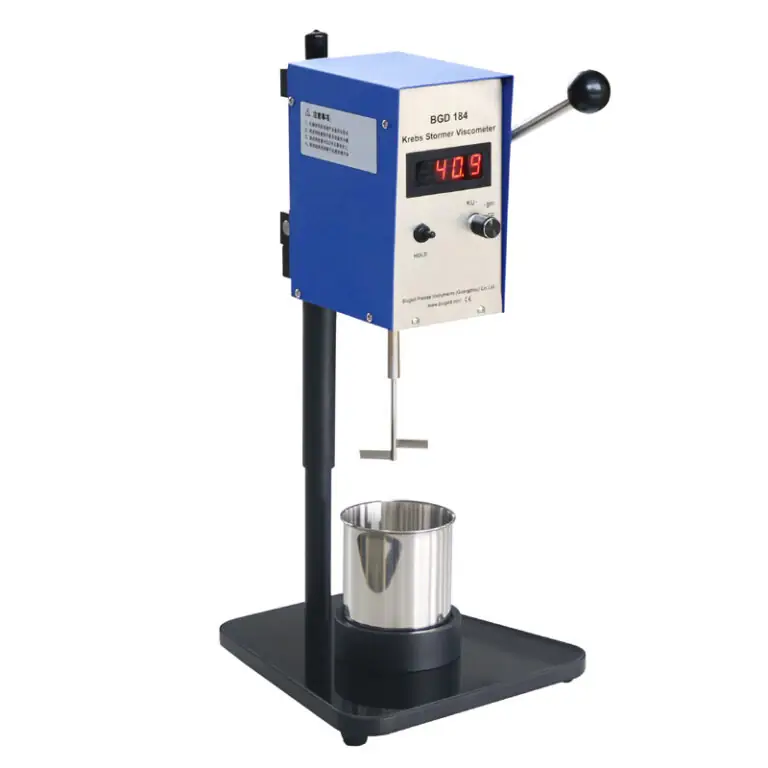
Long experience in coatings and formulations shows the gap between theoretical specs and messy reality. At the European Coatings Show in Nuremberg, labs and manufacturers commonly demonstrate results with the krebs stormer viscometer, a practical benchmark for paint viscosity and flow. That event, covered widely in trade reports and peer discussions, reflects how the industry validates instruments under real conditions. Trust grows from repeated, comparable measurements performed by trained technicians and verified in published method comparisons; follow those protocols rather than ad hoc readings.
How to choose: concrete criteria, no fluff
Make decisions using these actionable criteria: measurement principle (rotational, capillary, oscillatory), shear-rate range, temperature control, sample volume, repeatability, calibration options, and ease of cleaning. Prioritize what you will measure every week. If you measure high-viscosity coatings, choose a spindle or cup geometry that maintains laminar flow at your required shear. If you measure low-viscosity inks, avoid instruments that need large samples. Check calibration traces; insist on traceability to a standard. These are non-negotiable.
Alternatives and when they make sense
Rotational viscometers are versatile, but not always ideal. Capillary viscometers give excellent absolute viscosity for Newtonian fluids and are simple for low-viscosity liquids. Cone-and-plate rheometers map detailed shear behavior and small samples; choose them when you need a full rheological profile. Falling-ball and vibrational viscometers suit field checks and inline monitoring. Compare by asking: do you need precision curves or quick consistency checks? Match the tool to the decision you’re trying to make.
Common mistakes that cause bad data
People repeat three predictable errors: inadequate temperature control, poor sample preparation, and ignoring instrument geometry. Temperature shifts change viscosity substantially—stabilize samples before measuring. Air bubbles and particulate contamination wreck readings; filter or degas when appropriate. Finally, using the wrong spindle or gap produces shear conditions the sample never experiences in application. Correct these and your results become meaningful rather than noisy.
Practical setup and routine checks
Set a standard operating procedure that includes: sample equilibration time, specified geometry/spindle, speed or shear program, and a blank or reference measurement. Run a calibration fluid at the beginning of each session. Log environmental conditions. Train operators on the why as well as the how; understanding the physics prevents routine errors. Small habits—consistent sample transfer, gentle loading, consistent cleaning—reduce variation more than you expect.
Weighing cost against utility
Don’t confuse price with suitability. High-end rheometers buy capability for complex fluids, but a mid-range rotational viscometer often delivers the repeatability needed for QC at a fraction of the cost. Consider lifespan, service support, and available accessories. Factor in downtime: an easy-to-maintain instrument with local support returns value faster than a cheaper device that sits idle for repairs.
Final synthesis
The practical thread runs clear: identify the problem, choose the right measurement principle, guard sample and temperature, and adopt disciplined routines. That approach converts measurement from guesswork into guidance. When labs align purpose with tool selection, trusted suppliers and documented methods close the loop—one reason many practitioners turn to proven vendors and tested instruments such as those available through BIUGED.