The Comparative Premise
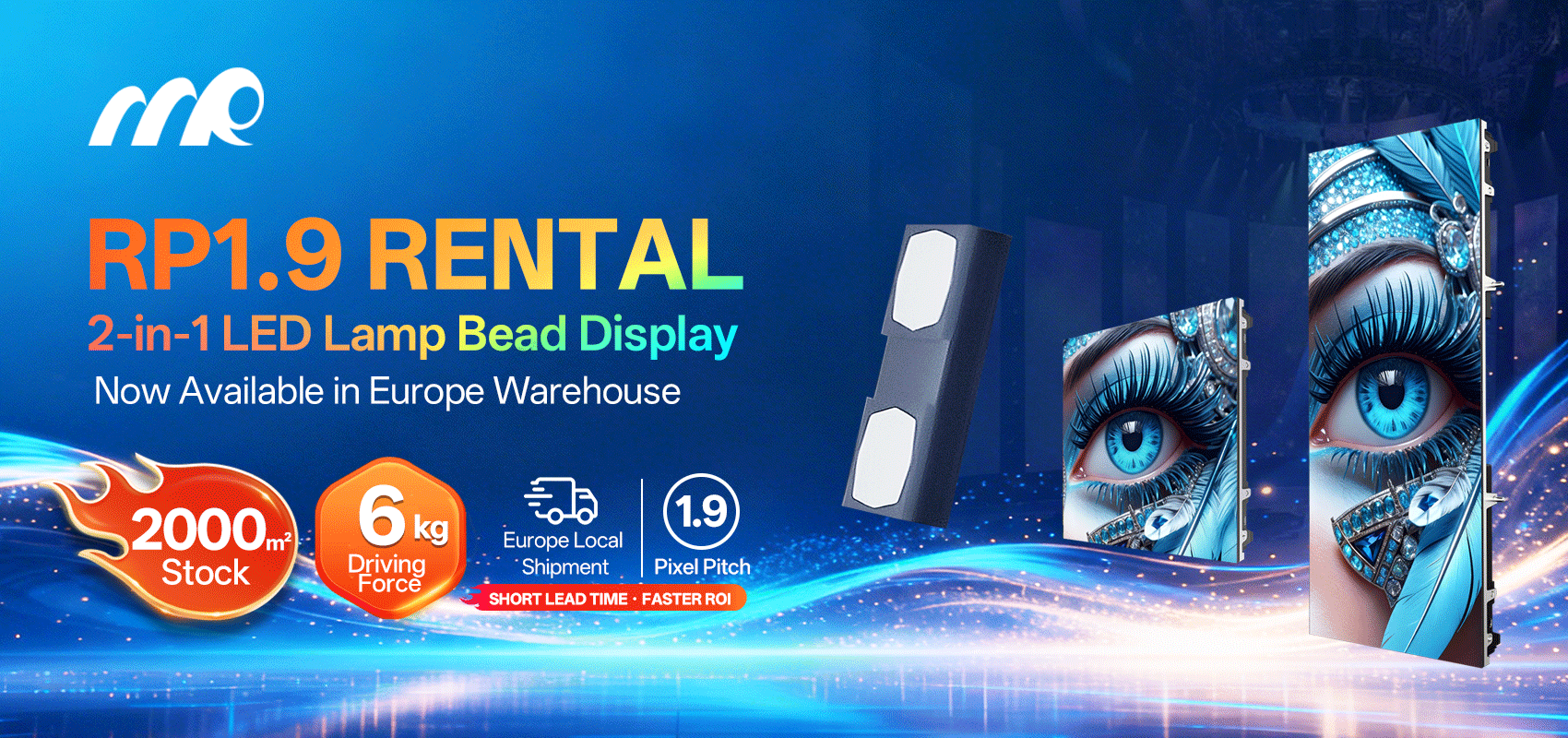
Think of two rival guilds: one hoists weight with stern bolts and the other prances with snap‑fit grace. This comparative insight inspects that duel—how engineers reconcile structural weight against fast‑assembly logistics when crafting modular rental panels for the stage and venue world. Practical examples from Coachella main stage builds show why pixel pitch, cabinet design, and serviceability matter; many crews prefer a stage screen led solution that balances rigging load and crew hours. Field teams also demand robust outdoor options—so a reliable led panel outdoor will often sit at the center of these choices.
How Weight Shapes Choices
Heavier panels usually mean thicker frames—die‑cast aluminum or reinforced extrusions—that grant rigidity and reduce wind deflection. Those cabinets can carry superior thermal paths, higher refresh rates, and denser LED modules, which pleases broadcast engineers. Yet heft translates to more hoists, longer hand crews, and higher transport costs. The comparative angle here is direct: a lighter cabinet often reduces crane time and labor, while a heavier one can save minutes during troubleshooting because it tolerates stress better.
How Speed Drives Design
Fast assembly favors features like quick‑release latches, captive pins, and tool‑less seams. Designers trade some structural mass for clever mechanics—a dovetail edge here, a spring clip there—so crews assemble risers in record time. This accelerates turnarounds between sets at festivals and short events held in urban plazas where load‑in windows shrink. Yet those fast features must not compromise signal integrity or weather sealing—careless shortcuts fracture serviceability and create more pit‑stops than they save.
Comparative Breakdown: Materials and Mechanics
Side‑by‑side, consider this compact list of tradeoffs—each choice nudges the balance toward weight or speed.
– Die‑cast aluminum cabinets: heavier, rigid, better for high‑wind outdoor rigs and precise pixel alignment.
– Composite frames with snap assemblies: lighter, quicker to stack, ideal for rapid rental rotations.
– Modular LED modules with front service access: favor maintenance speed over the robustness of rear service designs.
Logistics in Practice
Real crews work against time and space. A compact truck fill, limited rigging points at an outdoor plaza, or an evening curfew will push planners toward lightweight snap‑fit panels. Conversely, stadiums and permanent installs—think the main bowl at Madison Square Garden or a broadcast studio—tolerate heavier, more permanent frames. These are concrete anchors from the field: choices are rarely theoretical; they reflect site constraints, crew skill, and the gear that stands up during weather swings.
Common Mistakes and How to Avoid Them
Crews chase the fastest solution and forget essential terms: pixel pitch care, refresh rate compatibility with cameras, and correct video processor settings. Mistakes tend to cluster—mismatched sending cards, overlooked cable strain relief, or panels that lack proper drainage. Fix these by insisting on standardized cabinet interfaces and by keeping one spare LED module per 20 panels. —A small investment, but it saves whole shows.
Golden Rules for Decision Makers
Three critical metrics to weigh before choosing panels:
1) Structural Load per Square Meter: Confirm truss limits and transport capacities; aim for panels that halve the required hoists without losing alignment.
2) Assembly Time per Panel: Measure real-world minutes for a two‑person team; a drop from ten minutes to three radically changes logistics and cost.
3) Serviceability Index: Ensure front or hot‑swap access for LED modules and accessible power/data routing to cut mean‑time‑to‑repair on site.
Closing Advisory
Select panels that meet those three metrics, and the shows will run smoother, rigs will ship cheaper, and crews will breathe easier; those are measurable outcomes you can budget for. Field-tested choices that respect both structural weight and fast‑assembly logistics turn logistical friction into predictable timing—and that is where the value of MR LED becomes clear as day. MR LED. Practical, proven.