
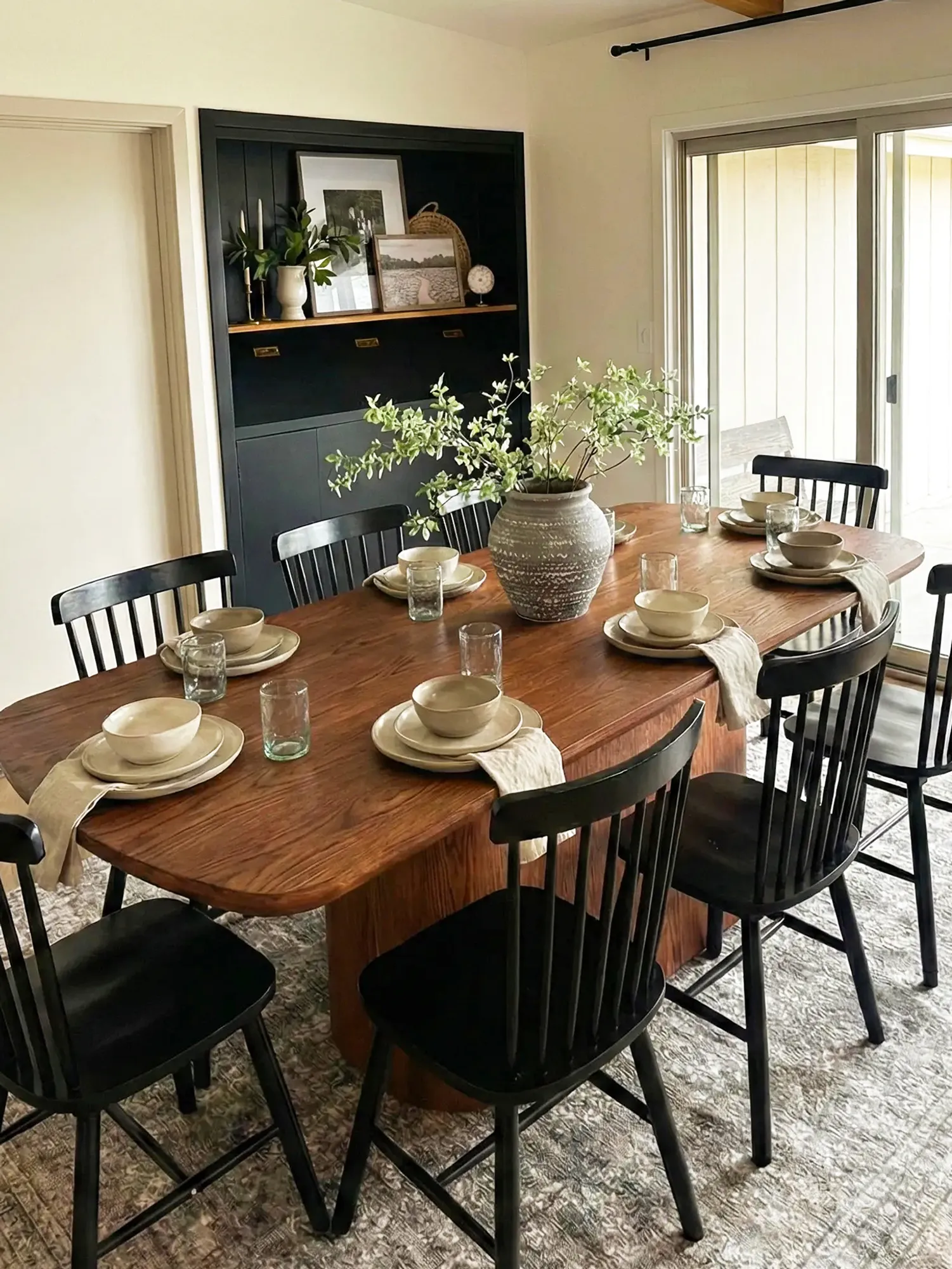
Practical Failures and Hidden Frictions
When I walk buyers through how to choose a sideboard, I usually start with a short story from the field: a hotel purchasing manager ordered six walnut veneer credenzas in March 2019 and three warped after a single storm exposure—cost to replace: $1,800. A credenza is a low storage cabinet, often used in offices and dining areas for files, serviceware, or AV gear, and it sits at the intersection of furniture design and logistics. I’ve spent over 15 years specifying credenzas for wholesale buyers across North America, and one hard lesson keeps repeating: standard specs hide real pain points (moisture vulnerability; inadequate hardware). I still recall a batch I vetted in 2016—veneered plywood fronts, cheap cam locks, and no moisture barrier—and the whole run failed humidity tests in a Chicago storefront within six weeks.
From my vantage, traditional solutions focus on style and price but skim over joinery and serviceability. Suppliers push melamine finish options for low cost, yet that often masks substrate weakness. Dovetail joints and solid core drawers matter when a credenza will hold filing systems or AV racks, and push-to-open hardware can be a useful modern touch—but only when it’s rated for commercial cycles. I flag load-bearing specs and drawer-cycle ratings during every review. This attention to detail saves buyers time and reduces costly returns. This leads me to compare the specs that truly determine performance.
Forward-Looking Comparisons and Metrics
What’s Next?
Now I shift to a more technical frame and outline how comparative evaluation should work when you revisit how to choose a sideboard for an upcoming project. I examine material science (veneered plywood vs. engineered core), mechanical hardware (dovetail versus dowel construction; cycle-rated slides), and finish systems (UV-cured lacquers vs. melamine). Wait — not every specification is equally important for every use case. For a corporate reception area I prioritize surface durability and stain resistance; for a hospitality back-of-house I prioritize moisture barrier treatments and replaceable drawer modules. Yes — it’s true. Small spec choices translate to measurable outcomes: fewer service calls, lower lifecycle cost, and better brand perception for my clients.
From my experience consulting for wholesale buyers, here are three evaluation metrics I use as decision cutoffs: 1) Structural durability — specify substrate, edge treatment, and the joinery type (dovetail or reinforced dowel) and require a stated load-bearing rating; 2) Serviceability and warranty — demand modular drawer units, accessible hardware, and a clear warranty that covers commercial cycles; 3) Environmental and finish resilience — ask for moisture-barrier treatments, UV-cured finishes, or rated melamine options and request sample panels tested under local conditions. These metrics let you trade cost against long-term value with clarity. I have applied them to projects in Los Angeles and Toronto with consistent savings (roughly 12–18% lower total cost of ownership over five years in two case studies I managed).
I’ll close with a practical note: insist on test samples and documented cycle ratings before signing blanket purchase orders. If you want a concise starting checklist, the HERNEST credenza guide is a useful reference for spec sheets and sample requests.