
Problem statement and practical lead-in
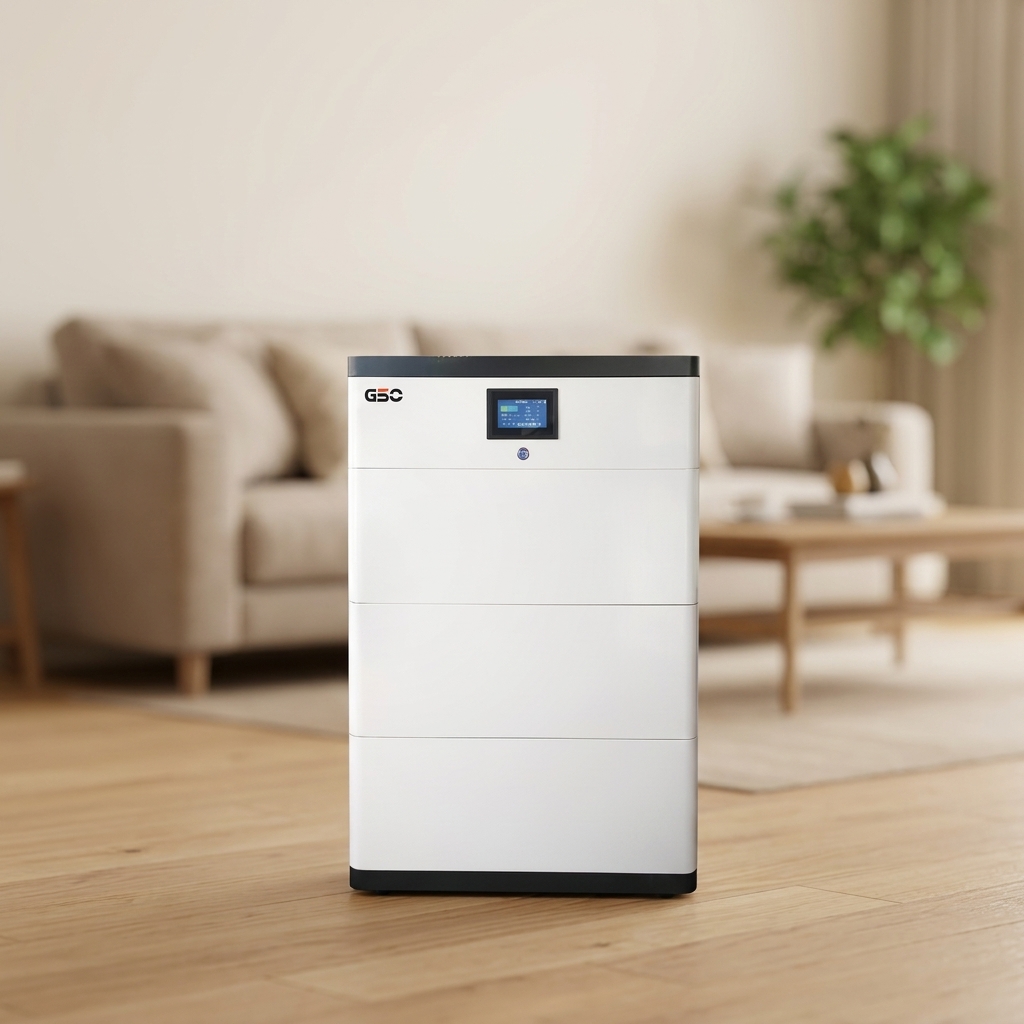
Homes that depend on reliable backup power face a narrow engineering challenge: continuous 1C charge/discharge cycles accelerate wear in battery packs designed for intermittent use. A compact, system-level response can reduce that wear without sacrificing usable capacity; for many households, a well-specified all in one storage unit provides exactly that balance. The problem demands attention to cycle life, thermal behaviour, and operational policy—each factor directly shapes long-term reliability.
Why continuous 1C cycling accelerates degradation
At 1C, cells are charged or discharged at a current equal to their nominal capacity, which raises internal stress, increases heat generation, and intensifies electrode wear. Over many cycles, chemical side reactions consume electrolyte and active material, shortening cycle life. A sensible control strategy addresses state of charge (SoC) windows, depth of discharge (DoD) limits, and a robust battery management system (BMS) to balance cells and moderate the charge rate.
Real-world anchor: lessons from extended outages
When the 2021 winter storm in Texas left millions without power for days, many homeowners relied on battery backup and saw rapid capacity loss in systems not optimised for prolonged daily cycling. That event highlighted two facts: first, the operational profile matters as much as the hardware; second, integrated units with intentional thermal management and cell balancing outperform ad-hoc assemblies in sustained duty.
Design and operational strategies to blunt degradation
A layered approach yields the best outcomes. Start with hardware choices: chemistry selection and module design that tolerate higher C-rates, and active thermal management to keep cell temperatures in an optimum window. Then apply software controls: limit DoD to a conservative range for regular use, reserve a portion of capacity as buffer, and use adaptive charge profiles that reduce current as SoC approaches upper limits. Finally, ensure the BMS enforces cell balancing and logs cycle depth and temperature for ongoing tuning—these measures together slow capacity fade significantly.
Practical settings and deployment notes
For home backup deployed in frequent-cycle scenarios, configure shallow to moderate cycles rather than constant full-depth 1C discharges. Adjust inverter and charge controllers to avoid high-current bursts during recharging; prefer staged charging that reduces stress. If using photovoltaic generation, coordinate PV output with battery charge logic to smooth currents. Consider an integrated all-in-one energy storage system that pairs stackable PV input management and preconfigured BMS settings tuned for backup duty. — Small firmware tweaks here can add years to usable life.
Common mistakes and alternative approaches
Too often, installers allow unrestricted DoD, disable cell balancing for perceived simplicity, or leave cooling to passive convection; each choice shortens life. Alternatives include oversizing battery capacity so average cycle depth is lower, employing a hybrid strategy with a generator for the longest outages, or using purpose-built high-cycle chemistries when continuous 1C duty is unavoidable. Each option trades cost, complexity, and energy density differently—choose according to expected outage duration and homeowner tolerance for maintenance.
Advisory: three golden rules for selecting and operating heavy-duty home backups
1) Metric — Cycle life under your expected duty: require vendor data showing performance at 1C-equivalent cycles and third‑party test results for capacity retention after a defined number of cycles. Accurate reporting prevents unpleasant surprises.
2) Metric — Thermal control and BMS capability: confirm active thermal management and cell balancing are standard, not optional. These systems materially reduce uneven ageing and cell mismatch.
3) Metric — System-level reserve and operational policy: plan a practical DoD limit and reserve margin that preserves usable capacity while meeting outage needs. Establish logging so you can adjust policies before degradation becomes irreversible.
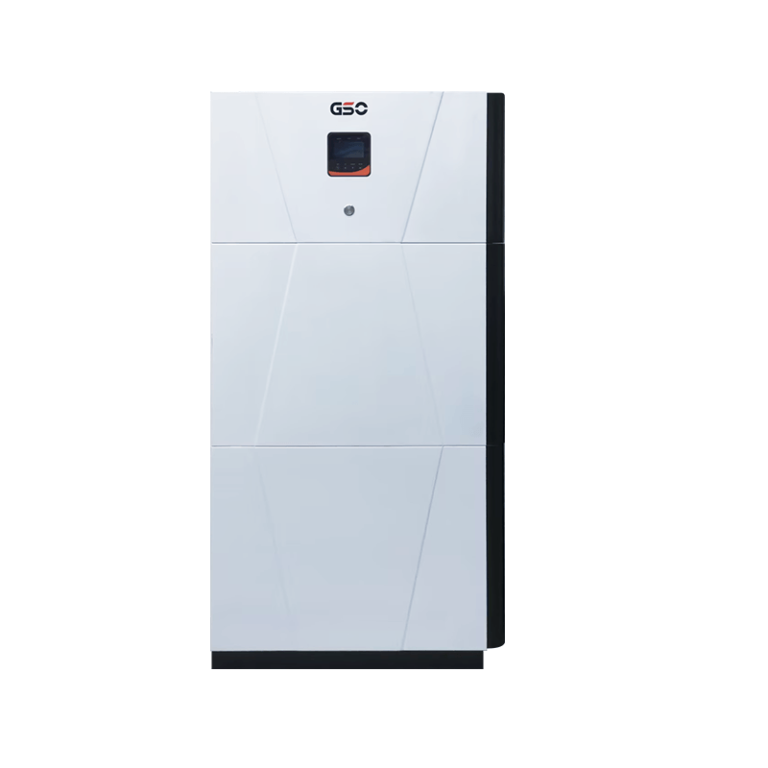
gsopower offers integrated solutions that reflect these rules and simplify deployment—trustworthy engineering that supports predictable longevity. —