

The 2026 Tipping Point, Texas-Style
Here’s the plain truth: packaging can make or break a pet care launch. A pet cosmetic bottle manufacturer hears that every week, but the stakes are rising faster than a summer heat wave in Austin. Picture a small grooming brand with a modest run—3,000 units—and a tight timeline. Now add the data: return rates on leaky closures hover near 2.5% in the category, and mislabel scuffs can spike to 7% without better surfaces and smarter handling. So the question is simple, y’all—what’s the smartest way to boost quality while keeping per-unit cost steady?
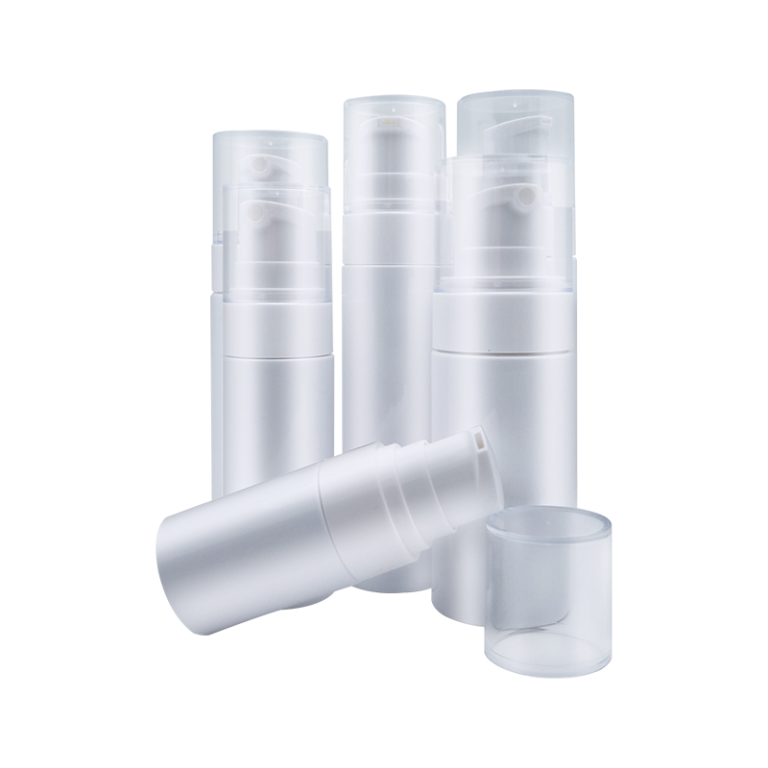
We’ll compare the old ways to new precision methods, and we’ll do it without the fluff (bless your heart if you like fluff, but not today). We’ll dig into how neck finish tolerances, torque specs, and capping station setup make or break consistency. And we’ll ask whether 2026 is the year pet brands—big and small—swap guesswork for measurable control. Let’s set the stage and ride into the details.
Where Classic Processes Fall Short
Why do the small problems snowball?
When buyers talk about cosmetic pet bottle factories, they picture shiny lines and steady output. But traditional setups often hide three weak spots: sloppy preform specs, inconsistent blow parameters, and rushed QA sampling plans. Those blind spots show up as paneling on soft walls, uneven wall thickness after ISBM (injection stretch blow molding), and closures that need too much torque. Look, it’s simpler than you think: a half-degree variance on the neck finish throws off cap engagement, then the capping station overcompensates, and now you’ve got micro-leaks. Add in weak barrier coatings or low-grade PCR resin blends, and fragrance notes drift. Shelf life shrinks. Returns rise—funny how that works, right?
Legacy thinking also ignores line-to-line variability. Mold cavitation counts change, cooling water is out of balance, and inline vision inspection is either off or missing. Labels scuff because conveyors aren’t tuned for thin-wall bottles. Cost management? It’s often reactive. Teams chase defects after the run, instead of tightening process windows up front. And let’s not forget regulatory pressure. As EPR rules expand, brands need traceable PCR content and repeatable resin rheology, not “close enough.” The old fix—more manual checks—only slows you down and adds labor. A better path is building capability: stable preforms, verified stretch ratios, and closures matched to the neck ring, not just “compatible.” That’s where time, waste, and stress all drop.
What’s Next: New Tech and Smarter Choices
Real-world Impact
Forward-looking lines solve these gaps by design. Think closed-loop blow molding that tracks stretch rod speed and air pressure in real time, then trims drift before defects land in a case. Pair that with resin dashboards that log PCR resin batches by melt flow and IV, so your wall thickness holds steady across shifts. Add calibrated torque heads on the capping station, and a fast inline vision gate that flags ovality and short shots. The result? Fewer surprises—more ship-ready units. And when you spec cosmetic pet bottles with a thin barrier layer and low-scuff surfaces, label claims stay true, even after rough transit. Semi-formal note here: smarter controls don’t have to be fancy; they just need to be repeatable (and serviceable on a Tuesday afternoon).

From a comparative angle, the math pencils out. Newer ISBM cells with recipe locking reduce cap-backoff rates by 40–60% compared with ad-hoc settings. Inline ionized air rinsers cut particulates, which keeps pumps from clogging. QA shifts from catch-and-quarantine to predict-and-prevent. And yes, tolerances still matter. But when neck finish rings, preform weights, and closure liners are harmonized, complaints drop. Even hot-fill variants behave. The bottom line for buyers: aim for systems, not band-aids—and ask vendors to show process data, not just pretty samples. That’s the 2026 mindset, and it travels well—across SKUs, seasons, and factories.
Before we wrap, here’s an advisory short list when you evaluate partners or upgrades: 1) Process capability metrics—request Cpk on neck finish, torque scatter, and wall thickness uniformity under the same resin lot; 2) Material integrity—confirm PCR content verification, barrier performance, and resin drying logs tied to each batch; 3) Line readiness—proveout for capper torque maps, label abrasion tests, and inline vision thresholds with reject analytics. Keep it practical, keep it measured, and keep it teachable to your team—because sustainable quality is a habit, not a hail mary. And that’s no tall tale. For a grounded reference point in this space, see NAVI Packaging.