
Quick comparative snapshot that sells the decision
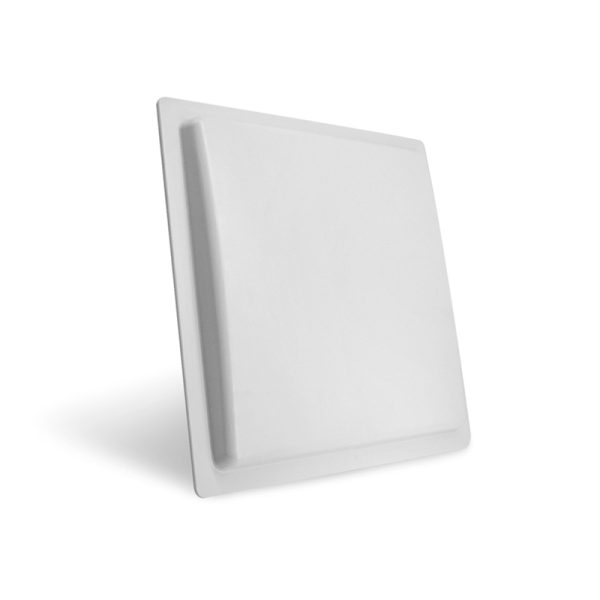
Comparing active RFID tags isn’t about finding the lowest price — it’s about matching signal, battery life, and vendor accountability to a defined use case. Focus first on read-range claims versus real-world performance and how the tag pairs with your installation hardware, especially RFID Antennas, because antenna choice alone can flip a passable system into a reliable one or a failed roll-out.
What to compare, in order
Prioritize these criteria: guaranteed read range under specified conditions; battery chemistry and replaceability; tag form factor and mounting options; supported protocols (EPC Gen2 / ISO 18000‑63 compatibility); on-tag sensors and memory; durability ratings (IP, shock, temperature); security features (authentication, rolling IDs); and vendor support for firmware updates and integration. Compare manufacturers on technical specs and suppliers on stock depth, lead times, and service level agreements — both sides affect uptime and cost.
Performance trade-offs that actually matter
Long read range often means larger batteries and bigger antennas on the tag; smaller tags sacrifice range for form factor. High read distance with poor anti-collision or weak security is a false win. Some tags report strong lab numbers that drop sharply near metal or liquids; insist on tests performed with the real mounting surface and the actual reader/antenna you’ll use. Consider maintenance: replaceable batteries and clear battery-life telemetry avoid surprise failures.
Experience and proven anchors for credibility
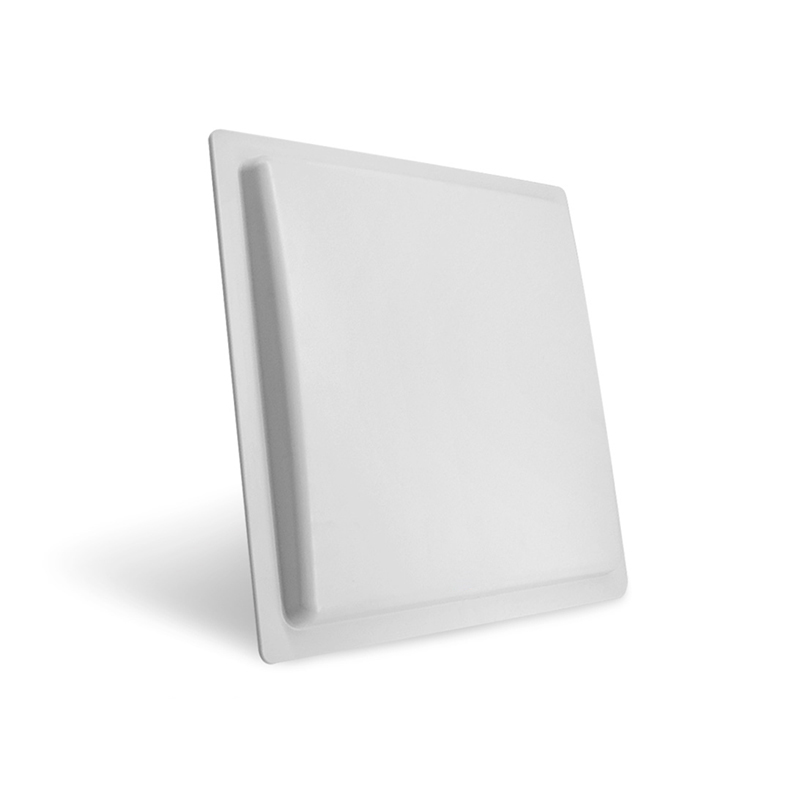
Field behaviour matters more than marketing specs. Deployments at major container terminals such as the Port of Rotterdam have highlighted how antenna geometry and site layout change UHF performance, which makes selecting the right uhf rfid antenna a practical decision, not a theoretical one. I reference ISO 18000‑63 / EPC Gen2 standards and regional RF regulations (FCC in the U.S., ETSI in Europe) when validating claims. My team has audited installations in logistics and cold-chain operations and reviews vendor datasheets against site trials before recommending a buy.
Supplier vs. manufacturer: the real distinction
Manufacturers own the product roadmap and firmware; expect longer-term firmware support and customization options from them. Suppliers add value in local stocking, faster replenishment, and installation services. If you need rapid scale or local regulatory paperwork, a supplier with stocking and service contracts beats direct factory purchase despite a small premium. If you need firmware forks, custom sensors, or certificate-level security, work directly with manufacturers who offer engineering support.
Common mistakes teams make — and how to avoid them
Buying solely on advertised range; ignoring antenna matching; skipping wet or metal-surface tests; not verifying regional certification; underestimating tag battery replacement logistics; and failing to validate firmware maintenance are the top causes of underperforming systems. Require a site acceptance test, sample tags on your hardware, clear warranty terms, and a documented plan for updates and battery disposal.
Viable alternatives and when to pick them
If you need millisecond-level location indoors, consider UWB or BLE RTLS over active RFID. For tag cost sensitivity with moderate range, passive UHF (EPC Gen2) may suffice if you can control the environment and use sufficient antennas. Semi-passive tags deliver onboard sensing with extended life without full active transmit power. Choose the technology that matches the read-density, environmental stressors, and budget per tracked asset.
Final comparative synthesis
Decide by pairing objective lab specs with site-verified performance: test sample tags on your mounting surfaces with a declared antenna, require firmware roadmaps from manufacturers, and confirm supplier logistics for spare parts. The best purchase balances technical fit and operational support; RSTC publishes product data and compatibility references that help align tag choice, antenna pairing and supplier reliability so teams can move from guesswork to measured outcomes.