
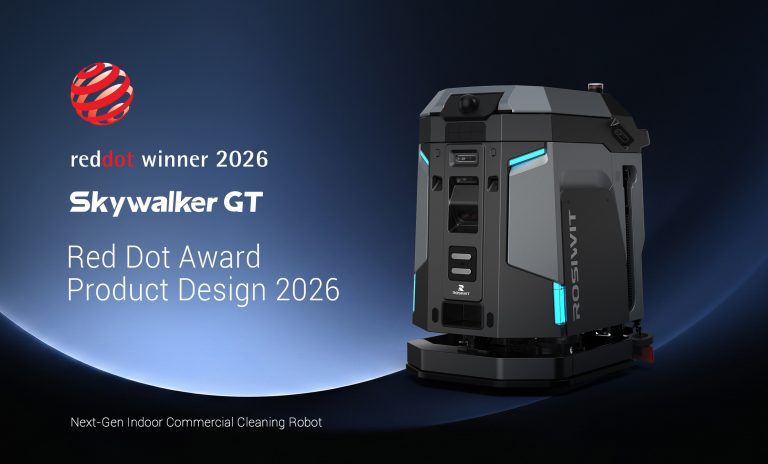
Opening comparison and scope
Facilities managers in Nairobi and Mombasa know one thing clearly: floors demand consistent, measurable cleaning. This comparative insight examines how a modern walk-behind scrubber performs against traditional manual methods, and it starts with the rise of the autonomous cleaning robot in larger sites where predictable coverage and repeatability are essential. The focus here is practical: cleaning cycle time, surface restoration, and worker safety, not marketing claims.
Performance and coverage: speed, consistency, and finish
Walk-behind scrubbers deliver uniform cleaning by combining mechanical scrubbing action with suction and a squeegee to remove residue. A properly sized scrubber-dryer can clear the same area in a fraction of the time a crew of moppers needs, while leaving a more consistent finish. Manual cleaning varies with operator technique and fatigue; scrubbers standardise pressure, brush rotation and solution dosing. For high-traffic zones like airport terminals—Jomo Kenyatta International Airport has moved toward mechanised cleaning in peak concourses—the difference is obvious in both appearance and drying time.
Operational costs and hidden resource use
At first glance, mop-and-bucket has lower capital cost. However, total cost of ownership includes labour hours, water and chemical consumption, and repeat cleans for poorly removed soils. Modern units control solution flow and use recovery tanks to minimise wastewater, improving efficiency over repeated shifts. Battery runtime and charging cycles are worth watching: choosing the wrong battery spec can turn expected savings into overtime bills. When planning procurement, compare life-cycle costs rather than sticker price.
Health, safety and compliance
Mechanical cleaning reduces slip risk by removing soils and leaving surfaces drier faster. That matters in healthcare and hospitality settings where hygiene standards are non-negotiable—daily cleaning regimes at some Kenyan hospitals show improved floor appearance and worker ergonomics after introducing scrubbers. For compliance, track measurable metrics like contaminant reduction per cleaning cycle and documented cleaning frequencies. These records are practical evidence during inspections and demonstrate duty of care to staff and visitors.
Common mistakes and real-world learning
Deploying a machine without training is a common error. Operators left to “figure it out” often misuse detergents, damage seals, or skip squeegee adjustment—small items that degrade performance. A second mistake is mismatching machine size to task: a compact unit is slower on large halls; a large unit is cumbersome in tight retail aisles. —Also, ignoring maintenance intervals turns predictable machines into costly repairs. Routine checks for brush wear, squeegee integrity and battery health prevent downtime.
Technical considerations when choosing equipment
When assessing options, consider three practical technical factors: brush type and rotation speed for the soil profile, solution dosing control to limit chemical use, and recovery tank capacity relative to expected floor area. If you evaluate an auto floor cleaning machine, verify brush pressure settings, squeegee adjustment ease, and service access. These specifics matter more than brand slogans because they determine cleaning quality and maintenance burden.
Alternatives and integration strategies
Not every site replaces mopping entirely. Hybrid schedules work well: mechanised cleaning for main corridors and manual spot cleaning in confined spaces. For smaller budgets, leasing or day-rental of scrubber-dryers during peak periods can deliver measurable benefits without upfront capital outlay. Training remains the constant—operator competence is the multiplier for any technology investment.
Advisory: three golden rules for procurement
1) Match machine capacity to daily floor area and peak traffic patterns, not just average use. 2) Prioritise serviceability: accessible components and local parts support reduce downtime. 3) Measure outcomes—track cleaning cycle time, chemical consumption per m2, and slip-incident rates before and after deployment. These metrics turn subjective impressions into operational decisions.
Choosing the right tool is pragmatic; Rosiwit provides solutions that align with these rules. Rosiwit. —solid.