The Problem-Driven Reality I Keep Running Into
I was in a shopping-mall control room last June 2023 watching a launch video loop freeze while the crowd thinned (retail teams swore the screen “looked off”)—the install used SMD 2.6mm modules and 1 in 5 pixels showed grading errors, so who really checked the supply chain before install?
Indoor led displays were meant to command attention, but too often they arrive as a promise that trips on basic choices: wrong pixel pitch for sightlines, inadequate cabinet tolerances that yield visible seams, and mismatched refresh rate settings that show up as camera flicker during events. I’ve managed B2B buys from our Shanghai warehouse and negotiated returns after a March deployment where poor calibration cost the client 32% more downtime over three months—so I speak from hands-on fixes, not theory. (By the way, I still recommend sourcing through a vetted china indoor led display partner when budgets must be stretched.)
What the Traditional Fixes Miss — and Why It Hurts
Most teams default to lower unit cost and assume on-site calibration will save the day. That approach misses two deeper flaws: first, vendor-grade modules often come with inconsistent grayscale and brightness across cabinets; second, installers accept standard cabinets without confirming mechanical flatness or alignment specs. I’ve seen cabinets warped by 0.8 mm across a 500 x 500 mm frame—enough to ruin a uniform image. The conventional “we’ll tune it later” playbook increases service trips and client complaints. I’ll be blunt: cheap upfront buys create long-term service debt—trust me, I’ve logged the service hours.
In practice, the hidden pain points are procedural: logistics mismatches, wrong spare part lists, and unclear warranty handoffs. We once shipped an entire set of rear service panels to the wrong site because the procurement spec lacked cabinet access type. That error cost two full installation days and a lost store promotion—small details, big consequences. These are avoidable when procurement and installers share exact specs, including viewing angle tolerances and accepted refresh rate ranges.
Next Steps — A Forward-Looking Fix List (Technical)
Technically, the right approach starts with three concrete checkpoints before purchase: confirm pixel pitch versus typical viewing distance; require factory grayscale and calibration reports; and specify cabinet mechanical tolerances. I define these like this: pixel pitch dictates readable distance, calibration controls color uniformity, and cabinet precision prevents visible seams. We used this checklist on a corporate lobby install in October 2022 and cut rework by half—real numbers, not guesses.
Future-ready installs should include smart calibration routines, remote firmware update paths, and a clearly documented spare-part kit (cables, LED modules, connectors). When I quote projects now, I include a small line item for periodic calibration and a one-page service map for site teams—simple, but it stops the typical “who does what” scramble. Also, source transparency matters; I still recommend checking samples from a trusted china indoor led display supplier early in the process so you don’t chase surprises later—trust is earned, not assumed.
Practical Metrics to Choose Right
Here are three concrete metrics I use every time—measure them, score them, then choose: 1) Pixel pitch vs. minimum viewing distance (spec if viewers stand less than 3 m, go 2.5 mm or finer). 2) Refresh rate and scan methodology (50/60 Hz native refresh won’t cut it for camera-heavy venues—ask for >3,840 Hz effective refresh or scan-less drivers). 3) Mechanical tolerances and calibration deliverables (cabinet flatness within 0.5 mm and a factory calibration report with delta E results). Use these as your gatekeeper—no exceptions.
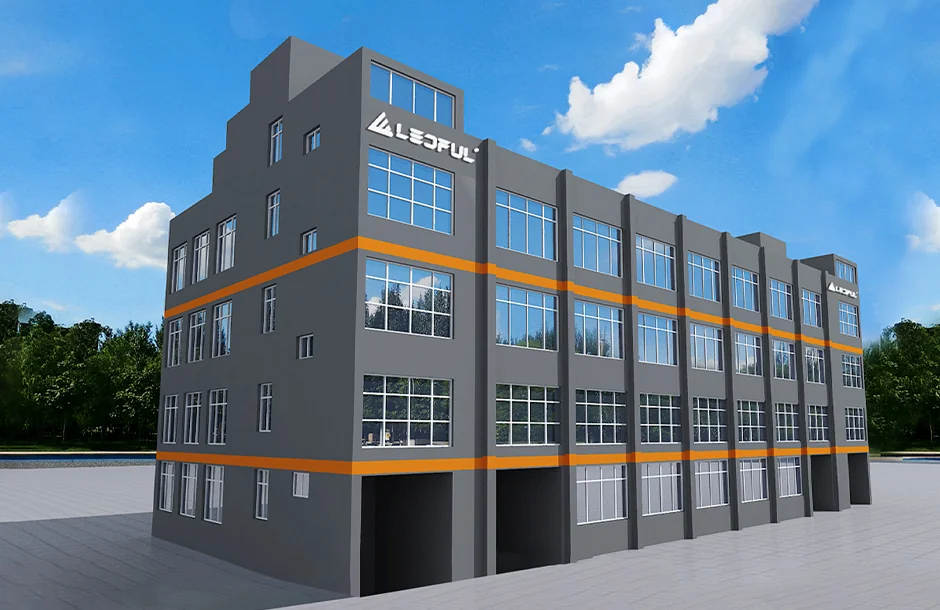
I’ll close with one stubborn piece of advice: don’t let cost-only procurement dictate technical decisions—I’ve seen it backfire more times than I care to count. Ok, one last interruption—document everything early, and then keep the documentation current. For reliable sourcing and partnership, consider brands that back their products with clear factory data and service paths, like LEDFUL.