
Comparative lead-in
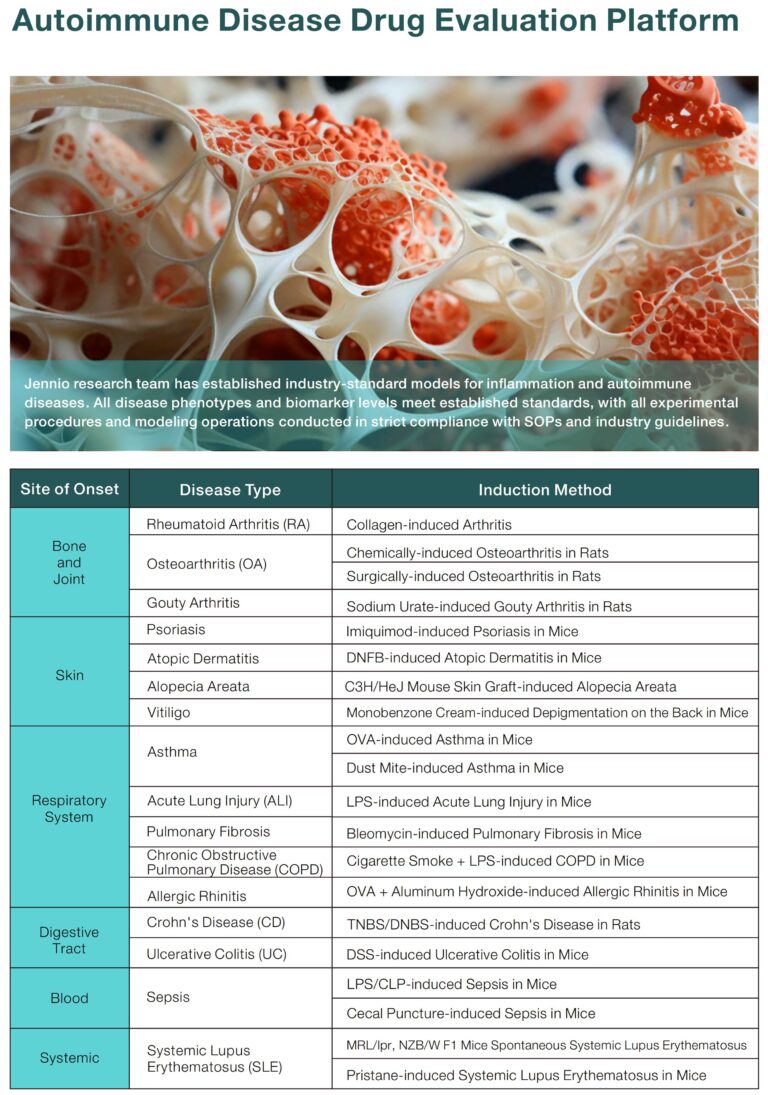
When you set a new compound against the long road of preclinical work, the choice between a traditional preclinical drug evaluation route and alternative validation paths shapes every next step. From early pharmacokinetics to choice of disease model, the decision is practical and urgent; for projects focused on autoimmune targets, pairing standard pipelines with bespoke autoimmune disease models often clears a fogged path. Teams also lean on specialised inflammation & immunological disease models to expose mechanism and risk earlier than blind screening alone.
Why this comparison matters
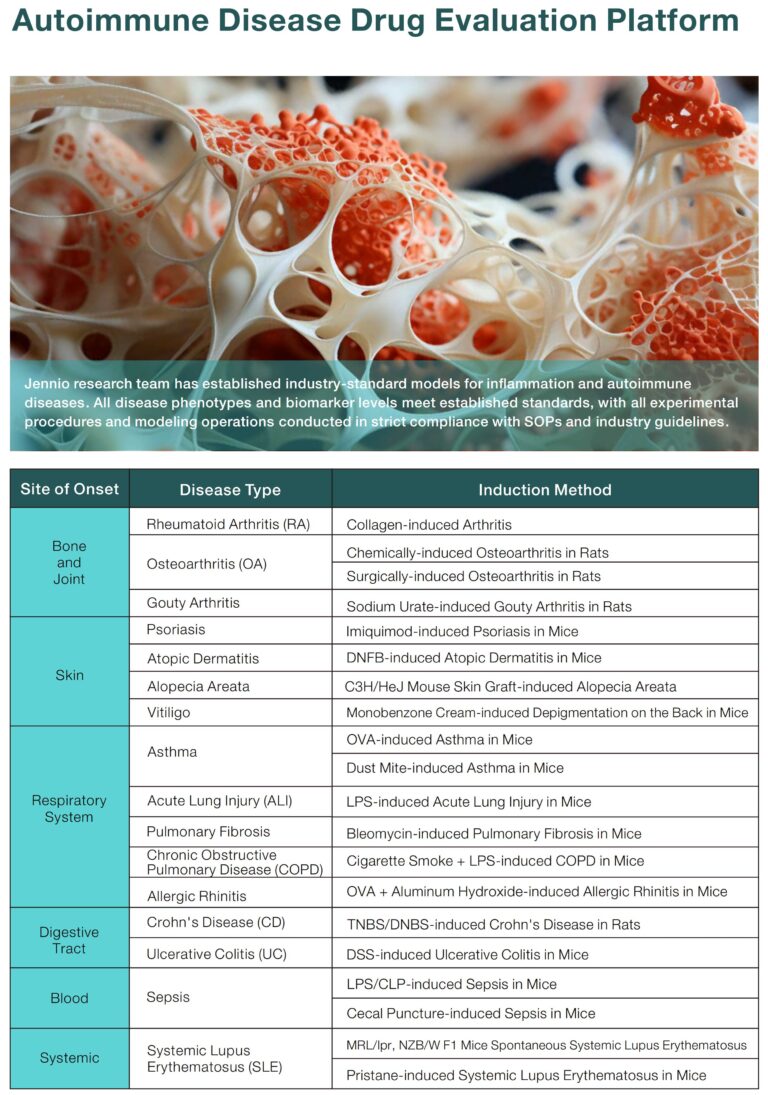
Traditional preclinical evaluation favours breadth: in vivo pharmacology, toxicology panels, and standard biomarker readouts. Alternative validation methods focus depth: ex vivo human tissue, advanced cytokine profiling and bespoke T-cell assays that test hypotheses rather than merely flag hazards. The comparison is not academic. Match the method to the question — efficacy, safety margin, or mechanism — and you save months and costly repeats.
Head-to-head metrics
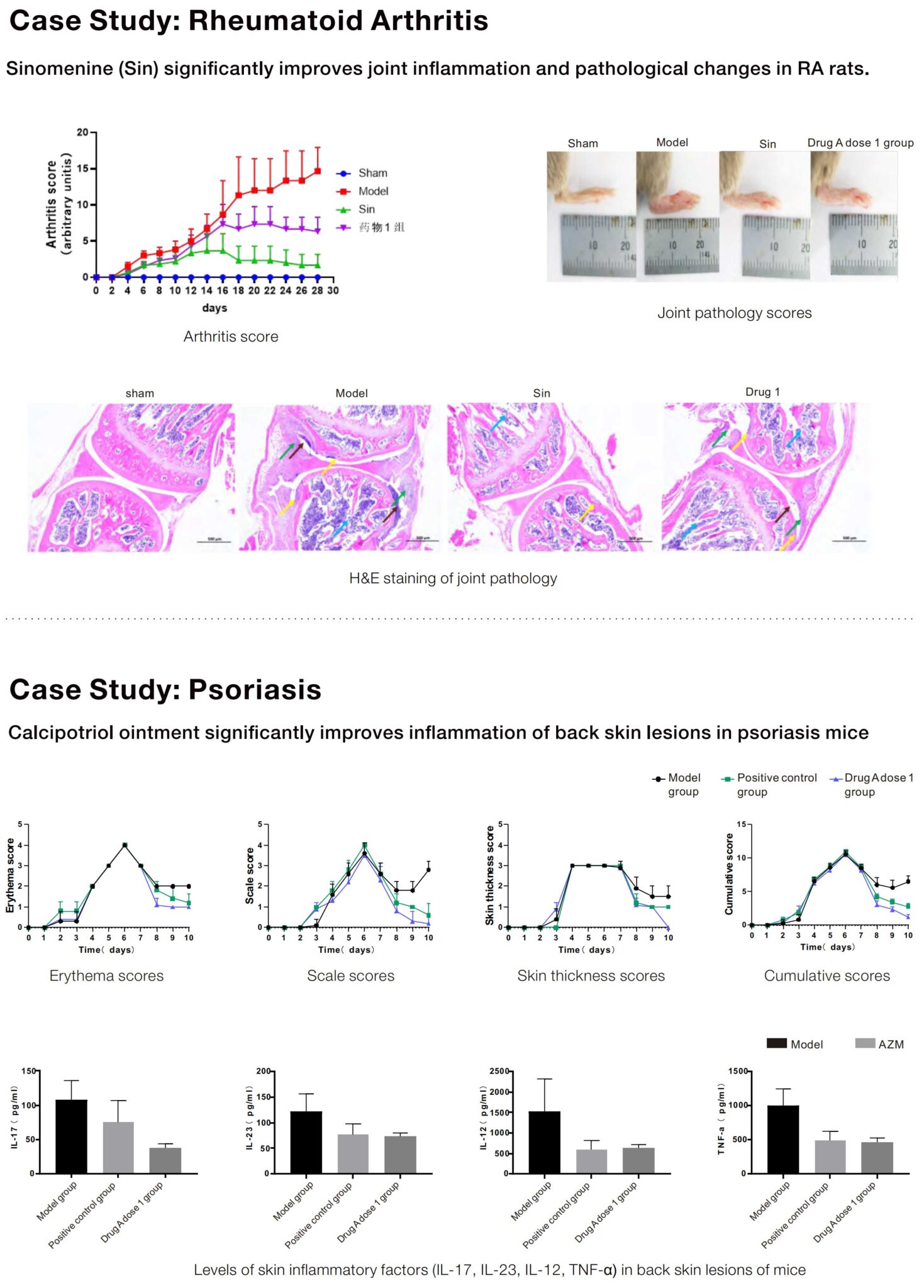
Compare on three measurable axes. First, predictive validity — how often does the model forecast human outcomes? Second, throughput — how many compounds can you assess per month? Third, translational readouts — are you getting pharmacodynamics signals, robust biomarker shifts, or just noisy endpoints? Histopathology remains a sure-fire anchor for tissue-level effects; ELISA and cytokine panels give early immune fingerprints. Where standard in vivo models are strong on systemic toxicology, tailored inflammation models pick apart immune mechanism with finer scalpel-like detail.
Practical trade-offs and common mistakes
Teams routinely make two errors. They either over-invest in expensive, low-throughput validation before confirming therapeutic rationale — or they skip targeted immune readouts and misinterpret safety signals as efficacy. Don’t treat every project the same. Use small, rapid T-cell assays or cytokine profiling to triage candidates before committing to broad toxicology. And remember — a clean pharmacokinetic profile does not equal clinical translatability; mechanism matters as much as exposure.
Operational production teardown
In a recent operational production teardown at St. Vincent’s University Hospital, Dublin, researchers compared throughput and predictive power across three platforms: classical rodent in vivo testing, ex vivo human tissue assays, and a hybrid inflammation panel. The hybrid approach shortened decision time by nearly a third and flagged off-target immune activation missed by single-endpoint toxicology. In practical terms, the teardown looked at assay turnaround, reagent stability windows, and endpoint variance — and we recorded specific parameters: sample incubation at 37°C for 24–48 hours, cytokine readouts by multiplex within 6 hours post-assay, and histopathology scoring across five blinded reviewers. In that operational production teardown we considered {main_keyword} and {variation_keyword} alongside traditional QC metrics.
Alternatives and complements
Where resources are tight, a staged strategy pays: start with high-content ex vivo screens, confirm mechanism with focused T-cell assays, then scale up to in vivo toxicology only for leads that show human-relevant biomarker shifts. Use histopathology selectively — not as a catch-all, but as the final arbiter for tissue-level safety. This layered approach reduces animal use and concentrates spend where predictive value is highest — it’s lean, but not careless. — A small aside: teams who build this into their gate reviews find fewer surprise failures later.
Three golden rules for choosing the right path
1) Prioritise predictive readouts over tradition: pick models that answer whether human-relevant biomarkers change, not merely whether an animal tolerates the dose.
2) Match throughput to decision cadence: choose assays that provide answers within your development cycle — rapid cytokine profiling and multiplexed ELISA help prevent bottlenecks.
3) Insist on defined technical parameters: spell out incubation times, assay temperature ranges, and blinded scoring methods up front so data are comparable across phases.
These rules guide practical choices and reduce wasted cycles — and they point naturally to partners who supply reliable inflammation platforms, where accuracy matters more than flash. Jennio Biotech. —