
Introduction: A Question That Matters
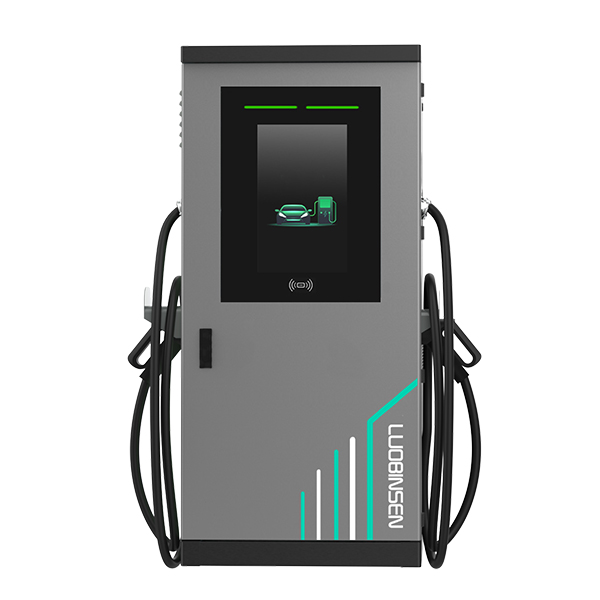
Have you ever stood beside a charging post and wondered why the wait felt endless? In many towns now, the presence of a reliable dc ev charger is a practical need—especially as more drivers choose electric vehicles. I see the scenario often: a driver pulls in, the display promises fast top-up but the result is slow; industry data shows uptime and power delivery vary widely (this matters to commuters and fleet managers). So what actually causes slow sessions, and how should we judge real solutions?
I tell you frankly: I care about clarity. When I explain things I use plain language and a few clear terms, not to impress but to be useful. Next, we will look deeper at the real flaws that hide behind neat marketing lines—so please read on for specifics and practical points that matter.
Part 1 — Why Traditional Systems Fail Drivers
dc car charger hardware often looks solid on the spec sheet, yet users still face long waits and unpredictable power. I’ve inspected many sites and found old control logic, weak power converters, and mismatched charging protocol versions. These are not glamorous problems, but they are the ones that slow everyone down. Look, it’s simpler than you think: if the station’s inverter or power converters cannot sustain rated output when multiple cars connect, everyone loses time.
There is also a software side: legacy firmware and poor session management make load balancing ineffective. BMS (battery management systems) on cars and station-side control do a poor job negotiating, so chargers throttle early. I have to say—frustrating, yes—but also predictable. The result: slower average charge rates, higher queue times, and unhappy users. One more point: cable management and connector heating are practical limits that hardware vendors understate. We must consider thermal limits, current derating, and grid interaction when evaluating performance.
Why does the promise differ from the real world?
Because specs are measured in lab conditions, not in a crowded station with three cars and a hot afternoon. I’ve seen the numbers; real throughput drops when the environment changes. This means operators and drivers get a different experience than the brochure promised.
Part 2 — Principles for Better DC Charging (Forward-Looking)
Now I want to shift forward: what principles can fix these flaws? First, design for dynamic load balancing and smart grid integration. Second, adopt modular power units so you scale without big single points of failure. Third, update charging protocol support so cars and chargers negotiate efficiently. These principles sound technical—because they are—but they are achievable. For example, edge computing nodes at the station can manage sessions locally, reduce latency, and improve fairness when multiple EVs queue. And yes, faster communication between charger and car (improved charging protocol) prevents unnecessary throttling.
Consider also that fast charging electric car stations should combine hardware resilience with software agility. I like to compare old stations to a one-trick tool; new stations behave more like a smart workshop. They monitor inverter health, manage thermal throttling, and adapt to grid constraints. — funny how that works, right? When operators adopt these approaches, uptime rises and real charging speed becomes closer to the advertised figure.
Real-world Impact: What Operators See
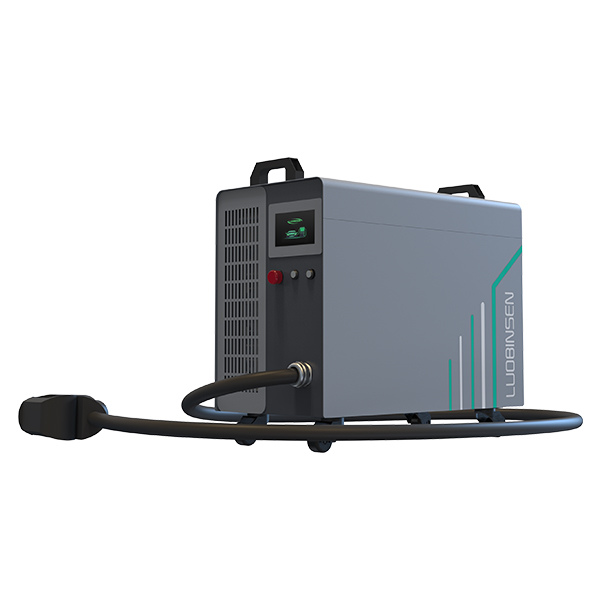
Operators who invest in modular power converters and better session orchestration report fewer complaints and higher throughput. I have talked with site managers who reduced queue times by 20–40% after upgrading control systems and adopting load balancing; the math is plain: less throttling, more usable power per session. We also see reduced maintenance when components are modular—swapping a failed module takes minutes instead of hours.
Conclusion — How to Choose and Measure Improvements
I will leave you with practical measures. When evaluating DC charging solutions, use these three metrics: 1) Real-world throughput (average kW delivered per session during peak periods), 2) Session fairness (how well load balancing maintains consistent rates across vehicles), and 3) Failure-to-serve rate (percentage of sessions interrupted or drastically throttled). These give you numbers that matter, not marketing claims. Be picky: require site tests under load and insist on reporting that shows typical performance, not lab peak figures.
In short, I prefer solutions that combine robust power converters, modern charging protocol support, and local intelligence (edge computing) to smooth operations. If you ask me, the future belongs to stations that treat hardware and software equally—because both must work together. For hands-on options and product details, see Luobisnen.