Why so many commercial solar system projects miss their mark?
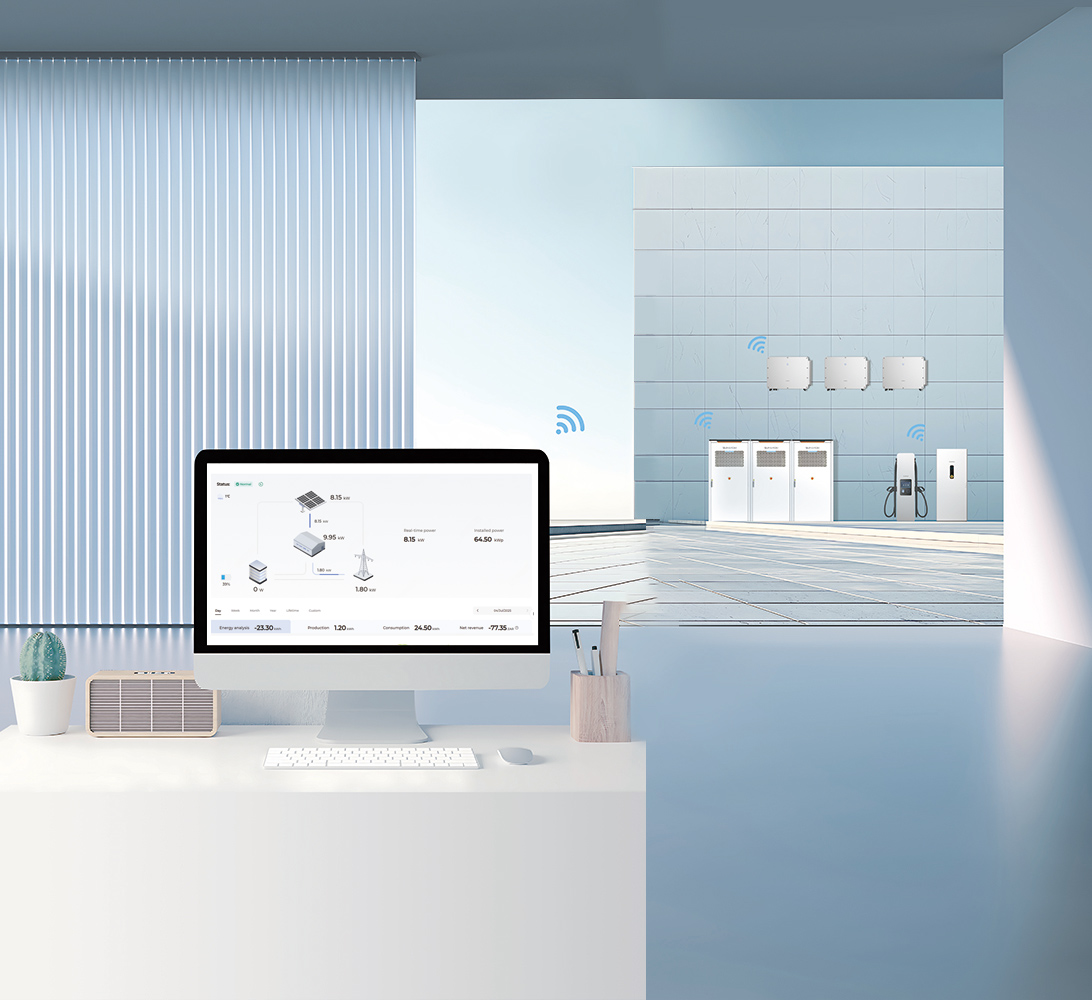
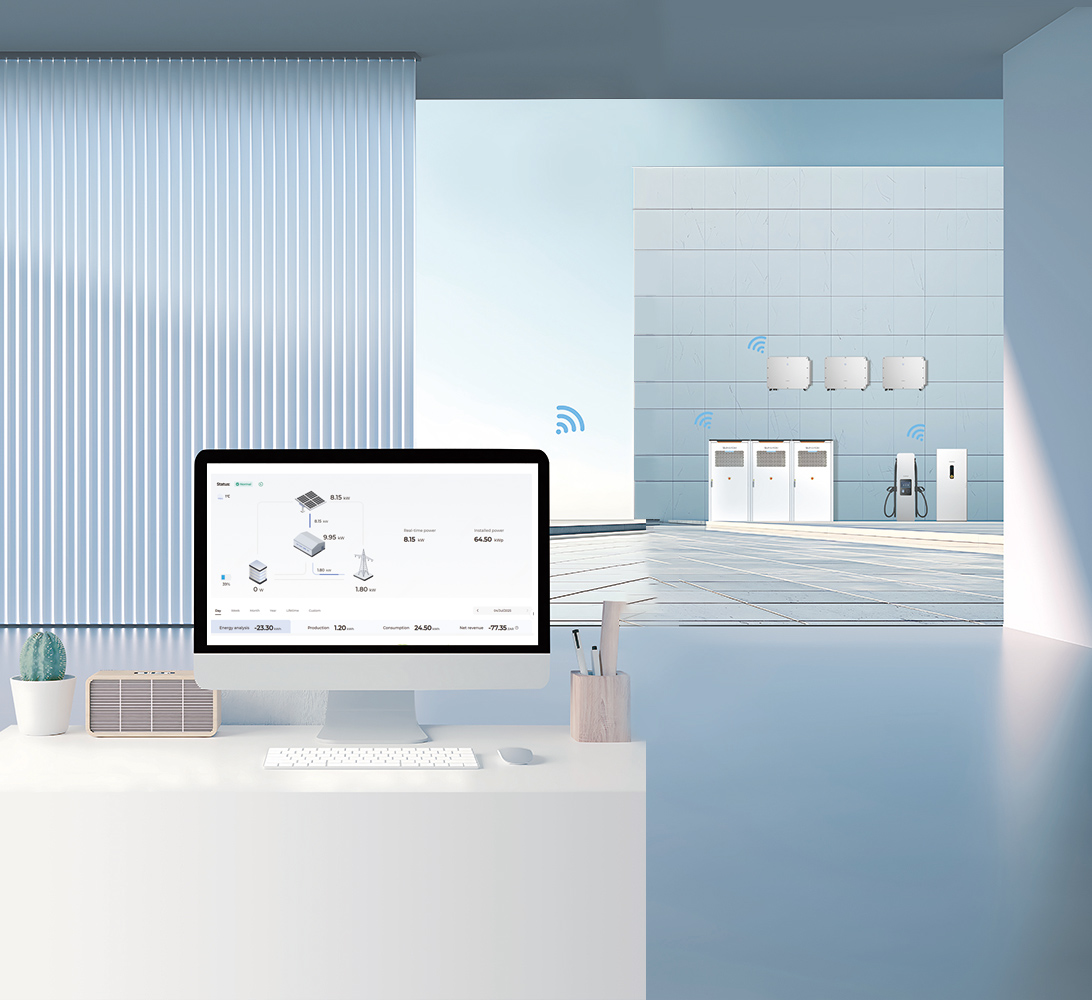
Have you ever walked a rooftop and wondered why the math on paper didn’t match the meter—again? In one recent scenario I audited, a 400 kW rooftop array showed a projected annual yield of 520,000 kWh but delivered 460,000 kWh—what went wrong, and how widespread is that gap? I work with C&I Solar clients every week, and I still see the same root mistakes (shading assumptions, poor inverter selection, and optimistic tilt estimations). Early on I started recommending a commercial solar system approach that treats module layout, inverter topology, and O&M as one combined decision rather than separate line items.
I remember installing a 350 kW rooftop PV array at a cold-storage warehouse in Chicago in March 2020 where we used mismatched string inverters; the result was an 8% energy shortfall over the first year. That specific detail still stings—because it was avoidable. I’ll be candid: I’ve made design calls that cost a client (and me) time and money. But those mistakes taught me three concrete diagnostics I run on every bid now—module mismatch analysis, inverter clipping checks, and a site-specific irradiance audit (I carry a handheld pyranometer for spot checks). These are not buzzwords; they’re practical tools that separate a guess from a deliverable.
Which design assumptions actually matter?
Comparing fixes: traditional patches vs. the cleaner path forward
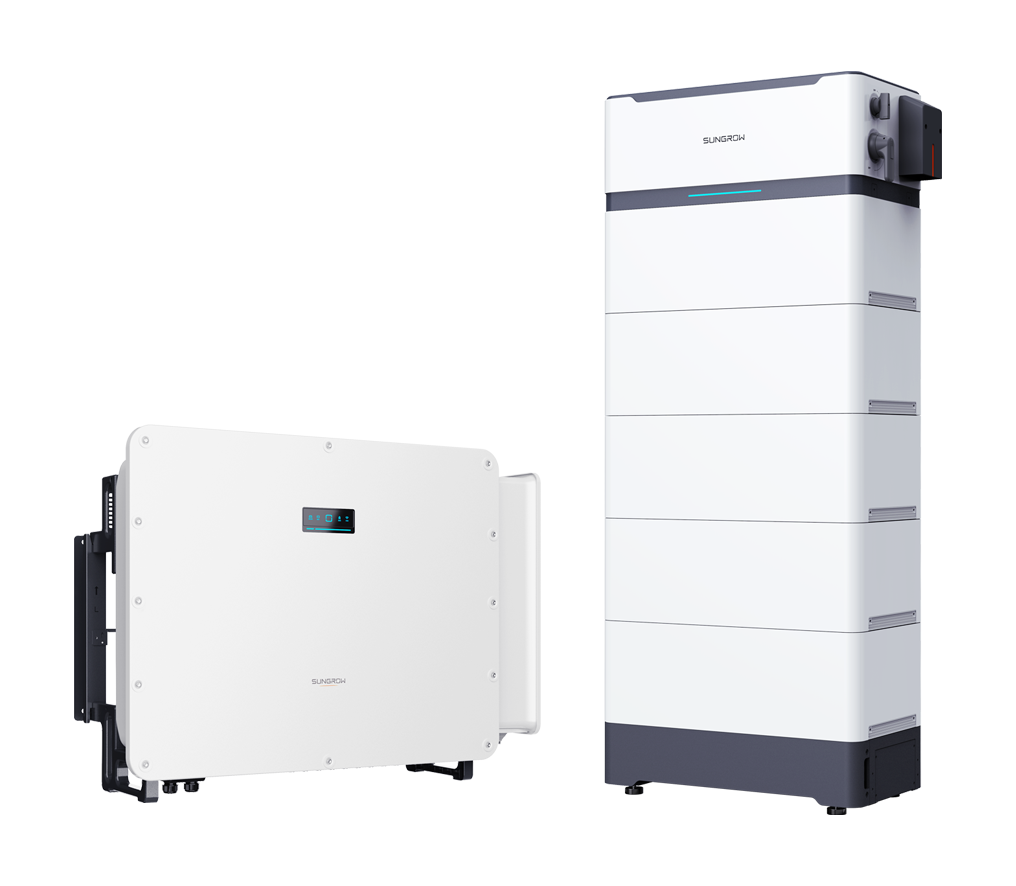
Most teams patch symptoms—add more panels, upsell capacity, or promise a faster payback—while the cleaner path optimizes system architecture (PV modules, inverter sizing, and balance-of-system choices) to match real load profiles. I’ve shifted my recommendations toward modular inverter layouts and clearer AC/DC coupling choices because they reduce single-point failure risk and improve partial-shade performance. In one 2019 retrofit in Phoenix, switching from a single central inverter to three smaller string inverters improved monthly yield by roughly 6% and cut downtime during commissioning by half—measured, not guessed.
Forward-looking decisions should factor lifecycle cost, not just upfront price. LCOE matters; so does predictable uptime and straightforward O&M. I keep an eye on warranty alignment (module + inverter + mounting), because mismatched terms create administrative headaches down the road—trust me, I’ve mediated a warranty dispute on a 250 kW system in Houston in August 2021 that could have been avoided with a single-supplier install. Short sentence. Then back to the point: choose coherent components and document the failure modes.
What’s Next?
Here’s how I evaluate a vendor or proposal now—three metrics I ask for, every time. 1) Measured energy yield (kWh) vs. modeled yield over at least 12 months from a comparable reference site. 2) Mean time to repair (hours) and clear spare-part commitments for critical items like inverters. 3) A transparent LCOE calculation that lists degradation rate, inverter replacement timing, and O&M costs. Those three checks cut through marketing claims quickly. Also—don’t accept vague service SLAs. I’ll say it plainly: I want numbers, dates, and contact names.
I’ve been in the field for over 15 years, working with wholesale buyers and facility managers across the Midwest and Southwest, and I’ve learned to favor clarity over promises. If you pair realistic irradiance data, conservative inverter clipping margins, and matched warranty windows, you’ll reduce surprises and improve cash flow. For practical sourcing and vetted equipment options, I often point teams toward partners I trust—one such resource is sungrow. Short interruption—check documentation, then act.