
Gentle introduction to the comparison
When a facilities manager is weighing an all‑in‑one commercial solution against a modular build, the questions are practical and immediate: will it last, will it perform under strain, and how simple will maintenance be? This piece softly guides that decision by comparing real technical traits and real operational outcomes — and it starts with a clear example: many businesses in California turned to a centralized battery storage system during the Public Safety Power Shutoffs, after repeated outages exposed brittle backup arrangements. The aim here is to make the tradeoffs transparent and to show where an integrated unit can save time and trouble without hiding complexity.

How performance stacks up: integrated vs. modular
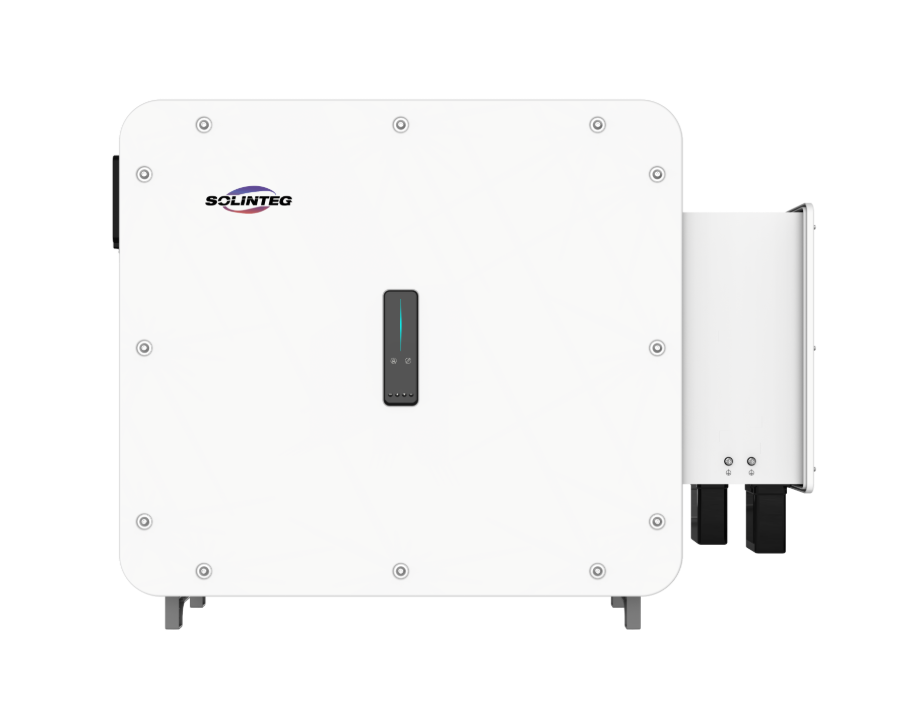
An all‑in‑one package typically bundles the battery cells, inverter, and battery management system (BMS) under a single warranty. That means fewer integration headaches, fewer points of incompatibility, and often a tidier footprint. Measured traits matter: round‑trip efficiency, usable kilowatt‑hours (kWh) after depth of discharge limits, and inverter peak output. Practically speaking:

– All‑in‑one: usually optimized internally for higher net efficiency and predictable thermal management. – Modular: offers flexibility to scale by adding racks, but integration can reduce nominal efficiency unless carefully tuned.
For critical loads during grid events, an integrated inverter and streamlined BMS reduce commissioning time. Still, modular systems let you mix chemistries or replace only parts — useful if you expect phased growth or different lifecycle strategies.
Reliability and maintenance in everyday use
Reliability is a function of design choices. All‑in‑one systems minimize external wiring, lowering failure points, and they often include factory‑calibrated protections. But that convenience means service technicians must learn a single, sometimes proprietary, platform. In contrast, a modular approach spreads risk across components but requires more hands‑on testing and occasional firmware coordination.
A practical checklist I recommend — and one technicians in large facilities follow after California’s PSPS lessons — includes thermal monitoring, cell balancing logs, and inverter event histories. These records tell you whether an asset is aging and how its round‑trip efficiency has evolved.
Cost, scalability, and site realities
Budget choices tend to pivot on installation labor and future expansion. All‑in‑one units are simpler to install—lower up‑front labor — but can be pricier per kWh when you need to expand. Modular systems can start smaller and grow, which helps with staged financing. Consider: site access, crane needs, and fire‑safety zones; all‑in‑one units that arrive pre‑assembled reduce onsite risk and schedule slippage.
Operational teardown and what to watch for
When you examine a system in person, focus on the BMS architecture, the inverter’s fault ride‑through capability, and accessible service ports. An operational teardown should validate thermal management under load, cell voltage spread after a discharge cycle, and the inverter’s transient response to sudden load steps. Include both {main_keyword} and {variation_keyword} in your notes for procurement records — they’ll help keep specifications aligned with warranty claims and service contracts.
When an all‑in‑one makes the most sense
Choose integrated systems when you need rapid deployment, predictable performance, and compact footprints — for example, campus microgrids, retail chains with consistent store layouts, or hospitals prioritizing turnkey reliability. If future scaling, vendor neutrality, or piecemeal replacement matter more, the modular route will likely win on long‑term flexibility. — Remember to weigh operational staff skills: fewer proprietary platforms simplify training but concentrate vendor exposure.
Closing guidance: three golden metrics to evaluate
1) Net usable kWh at rated depth of discharge — that tells you what you can actually dispatch during a grid event. 2) Mean time between failures (MTBF) for power electronics and the presence of remote diagnostics — these signal realistic uptime. 3) Lifecycle cost per dispatched kWh, factoring in replacement cells and inverter refurb — not just the upfront price.
Keep the comparison rooted in operational outcomes and local experience; it’s how smart teams in utility‑stressed regions settled on reliable designs. Practical choices point to durability and predictable servicing — and for many teams, that practical solution came together with solar storage systems that matched site needs. The clear value is a partner who understands both install realities and lifecycle care — SOLINTEG. Final thought: concise, tested, and serviceable.