
Why compare 500 kVA options now
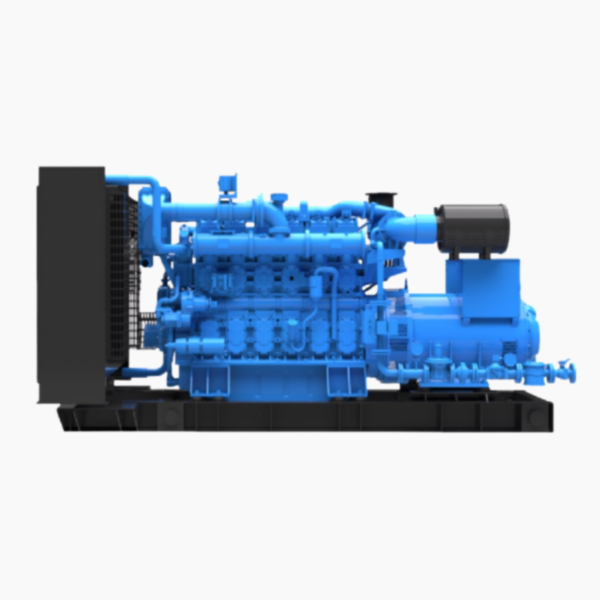
When a site needs steady backup or steady prime power, the choice between technologies matters — and that’s where a quick, honest comparison helps. After the 2016 South Australia blackout, many facilities reassessed how they sized and specified genset installations for resilience. If you’re weighing long-run operating costs against emissions and maintenance complexity, start by looking at a gas genset alongside diesel and hybrid alternatives. The 500 kVA band is common for medium industrial loads, so knowing trade-offs up front saves both downtime and budget.
How 500 kVA gas vs diesel stack up
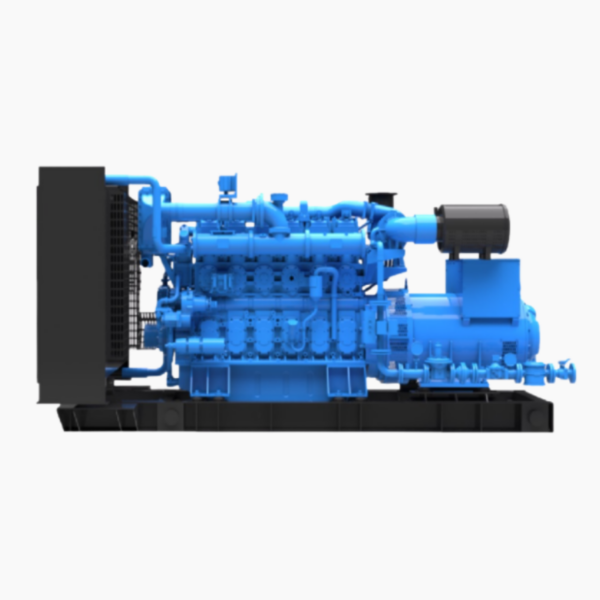
Key technical differences you’ll see in spec sheets:- Fuel efficiency: modern 500 kVA gas gensets often offer lower fuel cost per kWh under steady loads compared with equivalent diesel units.- Emissions: gas units generally emit less NOx and particulates, making site permitting and neighbourhood impact simpler.- Maintenance: gas systems can have longer service intervals but require careful attention to gas train and pressure regulation.- Performance: diesel retains an edge on short-term overload capacity and transient response; both can be paralleled for redundancy.Consider prime power ratings, transient response, and kVA vs kW curves when matching to your actual load profile.
Common mistakes teams make when specifying
People routinely oversize for future proofing without modelling actual diversity factors — that drives capital and fuel waste. They also forget auxiliary systems: ventilation, heat recovery and proper exhaust routing. Don’t under-spec the control system either; synchronisation and load sharing are vital for multi-genset setups. A frequent practical slip is skipping a realistic runtime test with a load bank under site conditions — it reveals cooling and regulation issues fast. And keep in mind that spare parts lead times can vary wildly by manufacturer — that’s where vendor support counts.
Sizing, controls and lifecycle considerations
Sizing a 500 kVA installation is part maths, part operational reality. Map your continuous and peak loads, plan for starting currents, and decide if the genset will run as standby or as prime power. For prime duty, pay attention to governor stability and fuel consumption curves; for standby, transient response and cranking capability matter more. Controls should include automatic transfer switch logic, remote telemetry and protective relays. Think long term about fuel supply contracts, emissions compliance and predictive maintenance — a planned maintenance cycle reduces unexpected downtime and stretches component life.
When a 500 kVA gas genset makes sense
Use cases where gas shines:- Urban or semi-urban sites where emissions are tightly regulated.- Facilities with reliable gas supply and the desire for lower operating noise.- Sites aiming to pair gensets with CHP (combined heat and power) for thermal recovery.If grid outages are short but frequent, or if you need continuous prime power with cleaner emissions, a well-specified 500 kw gas gensets option can be your best bet.

Three golden rules for choosing the right 500 kVA solution
1) Match to real load curves: size to measured kW, not rough estimates — this keeps fuel bills honest. 2) Prioritise control and support: choose a control package that offers synchronisation, remote telemetry and a local service network for fast spares. 3) Test under real conditions: include load bank runs, cold starts and transient tests in the acceptance plan so you understand runtime, emissions behaviour and cooling performance.
Final word
Compare performance, lifecycle cost and service depth, then let those outcomes guide the technology choice — that’s the practical route to reliable on-site power. — Huadong Power.