
Problem: When the numbers and the smell don’t match
Fuel meters tell one story, odometer logs another, and drivers give you a third — the result is missing liters, angry budgets, and investigations that go nowhere. Fleet managers working in oil and gas often need clear, continuous proof to settle disputes and protect margins; that’s where a precise approach to oil and gas fleet management becomes essential. A practical fuel monitoring system starts like a mise en place: choose the right sensors, decide sampling cadence, and route data to a trusted backend. A reliable fuel monitoring system for trucks can turn guesswork into a recipe you can follow every day.
Diagnose: What’s spoiling your fuel figures
Treat the fleet like a kitchen. If a sauce tastes off, you check the ingredients and the heat. For fuel loss the top causes are simple: theft, inaccurate sensors, wiring noise, and poor calibration. Look for these symptoms — sudden drops at idle, repeated night-time drain, or consistent variance by route. From my hands-on work during a field trial in the Permian Basin I saw two recurring faults: loose ground wires that introduced sensor noise, and level sensors installed on sloped tanks that never get calibrated for pitch. Fixing those two problems removed half the false alarms.
Ingredients and tools: What to choose and why
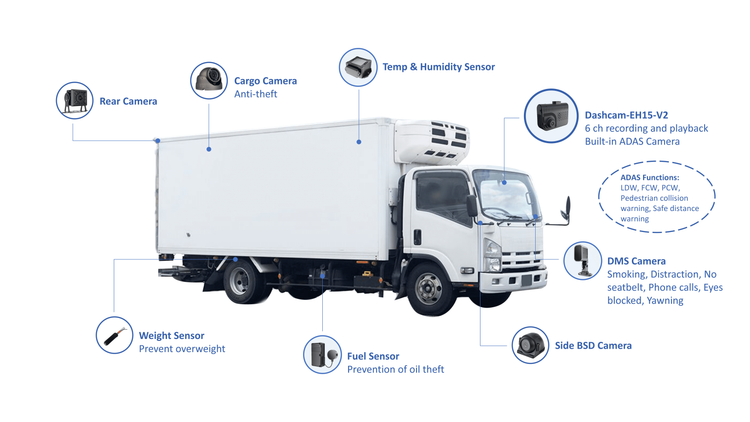
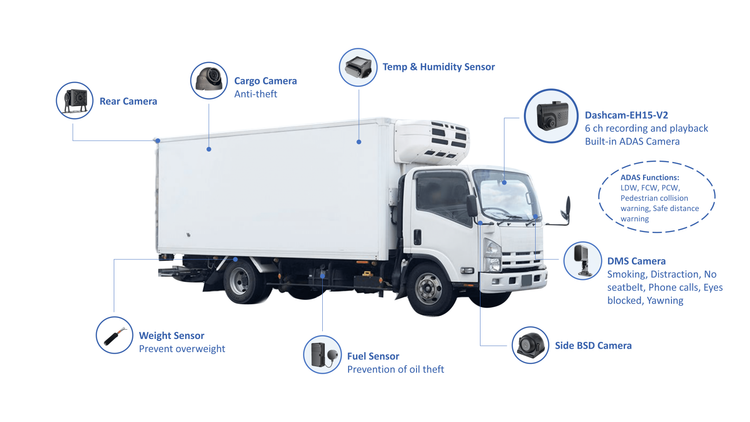
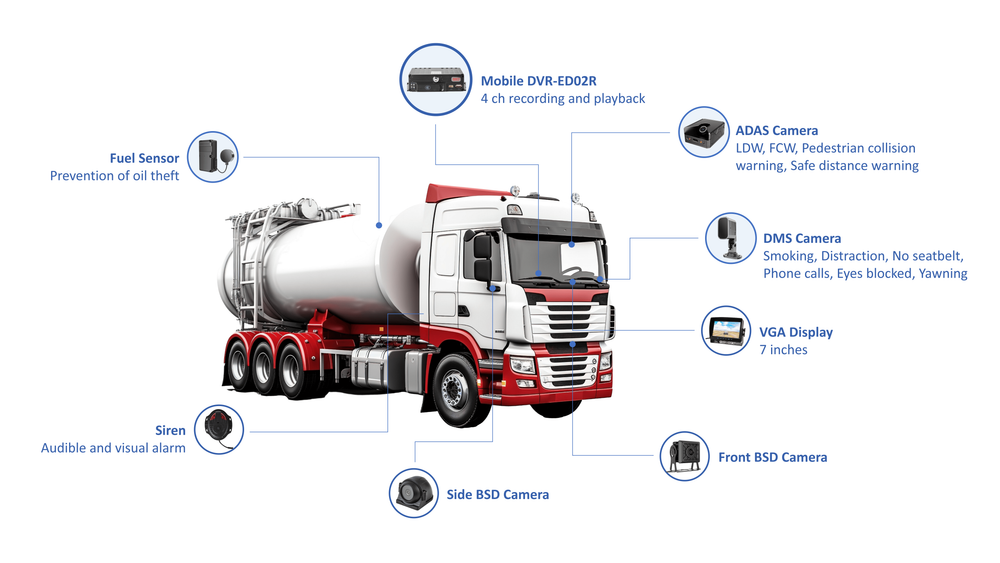
Think like a chef selecting knives. You need: a reliable tank level sensor (ultrasonic or capacitive depending on tank geometry), a vehicle telematics unit (TCU) with fast sampling and CAN-bus support, a fuel-flow meter for direct measurement on refueling lines if you can, and a backend that timestamps and stores raw samples. Check for these specs — sampling rate: 1–10 s for theft detection; timestamp accuracy: sub-second; anti-tamper: accelerometer plus geo-fence. Match sensor type to tank shape; capacitive sensors handle foam and slosh better in irregular tanks. These choices make your monitoring a repeatable recipe rather than guesswork.
Recipe: Install, calibrate, and validate
Approach installation like a plated dish: clean, precise, and tested. Steps to follow — 1) Mount sensors where they read actual fuel, not trapped air; 2) Secure grounds and shield signal wires from alternator noise; 3) Calibrate tanks using measured volumes — pour known liters and log readings; 4) Run validation trips with locked fuel caps and record baseline drainage. Validate at night and at idle to catch slow siphon events. After calibration, set alert thresholds: small wiggles trigger logging; sustained drops trigger alerts. Repeat calibrations after bodywork changes or when tanks are refitted.
Common mistakes, explained clearly
Most installers get tripped up the same ways. They mount level sensors off-center; they trust single-point calibration; they ignore environmental effects like fuel temperature or slosh. Don’t accept a “close enough” install. Avoid these errors — using length-based assumptions for sloped tanks; skipping shielded wiring; treating telemetry as just GPS instead of a sensor hub. Correcting these reduces false positives and builds confidence with drivers and auditors.
How to read the data: tasting notes and control charts
Raw streams are like stock — valuable when reduced into concentrations. Look for patterns: steady linear consumption per kilometer; abrupt drops that coincide with stops and unknown locations; repeated small drains at similar hours. Use rolling medians to ignore slosh; apply short windows for theft detection. Helpful signals to combine — level change, CAN fuel rate, and vehicle vibration — make a convincing narrative. When presenting to a safety team, show paired charts: level vs. location and level vs. time, side by side; those panels are your mise en scène.
Alternatives and trade-offs
If budget is tight, prioritize a good TCU plus level sensor rather than a cheap flow meter. Flow meters excel at metered refueling and leak detection on-site; level sensors are better for ongoing theft detection in the field. Cloud-only solutions are quick to deploy, on-prem systems give you tighter control. Pick what fits your operational palate — frequent remote routes need faster sampling and stronger geo-fencing; local yard losses need physical anti-tamper hardware.
Finish: What good monitoring delivers
When fuel data is reliable, investigations shorten, driver disputes stop, and budgeting becomes a precision task. You get clear alarm triggers, repeatable calibration steps, and an audit trail that stands up to scrutiny. Practical implementation marries careful installation with sensible sampling and validation — a simple recipe that scales across fleets. That practical payoff is exactly what I expect from partners like BSJ, where technical choices meet operational needs without chatter.