
Problem statement: material integrity versus ecological credentials
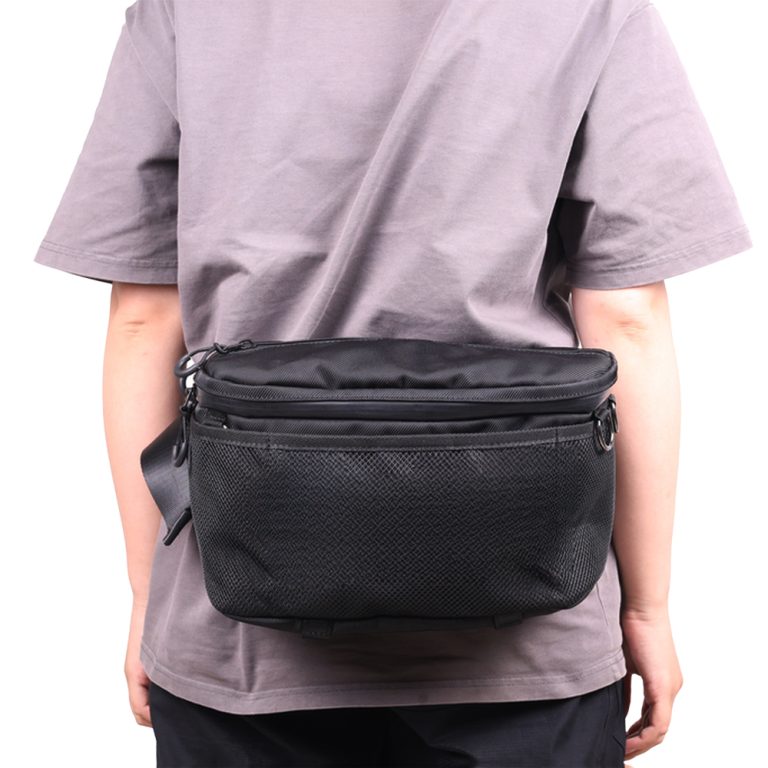
Buyers who commission eco-conscious custom bags confront a clear dilemma: selecting fabrics and finishes that satisfy environmental criteria often degrades functional performance or inflates cost. Procurement officers and product designers must reconcile tensile strength, water resistance and predictable wear with certifications, recycled content ratios and end‑of‑life disposal plans; an instructive instance is the requirement set for a durable fishing tackle bag where abrasion resistance and compartmentalization cannot be sacrificed for a token recycled label without engineering tradeoffs. Small specification errors in early design decisions propagate through tooling, supplier selection and testing, producing delays and overruns.
Root causes: misaligned specifications and fragmented supply chains
Specifications commonly focus on a single attribute—percent recycled polyester or organic cotton certification—while neglecting composite performance metrics such as seam fatigue, zipper longevity and moisture migration. Suppliers remain specialized, so a mill that excels in post‑consumer recycled yarns may not provide marine‑grade coatings; the resulting need to assemble from multiple vendors increases coordination cost and reduces traceability. Budgetary constraints push buyers toward off‑the‑shelf components that appear compliant but fail accelerated aging tests, producing product returns and reputational risk.
Practical alternatives and the evaluation framework
Three pragmatic alternatives emerge: 1) prioritize mechanical performance and offset environmental impact through verified take‑back programs; 2) prioritize material sustainability and redesign form to accommodate reduced mechanical tolerances; 3) pursue hybrid solutions using recycled core fabrics with targeted reinforcements at high‑stress zones. Evaluate alternatives using a weighted scoring matrix that includes tensile strength, abrasion cycles to failure, percentage recycled content, end‑of‑life recyclability and total cost of ownership over a typical product lifecycle. Hybrid approaches often offer the best compromise when score thresholds are set for critical performance attributes such as load capacity and zipper cycles.
Common pitfalls and specification mistakes
Buyers frequently commit to material certifications without defining test methods that map to intended use: stating “recycled” without specifying denier, weave density or hydrostatic head invites inconsistent outcomes. Another recurring error is under‑specifying hardware lifespan; brass or stainless alternatives differ markedly in salt‑water contexts. Overreliance on visual proofs rather than accredited laboratory test reports creates mismatch between sample appearance and batch performance. These mistakes are preventable with explicit test protocols and acceptance criteria embedded in purchase orders.
Experience, expertise and authoritative evidence
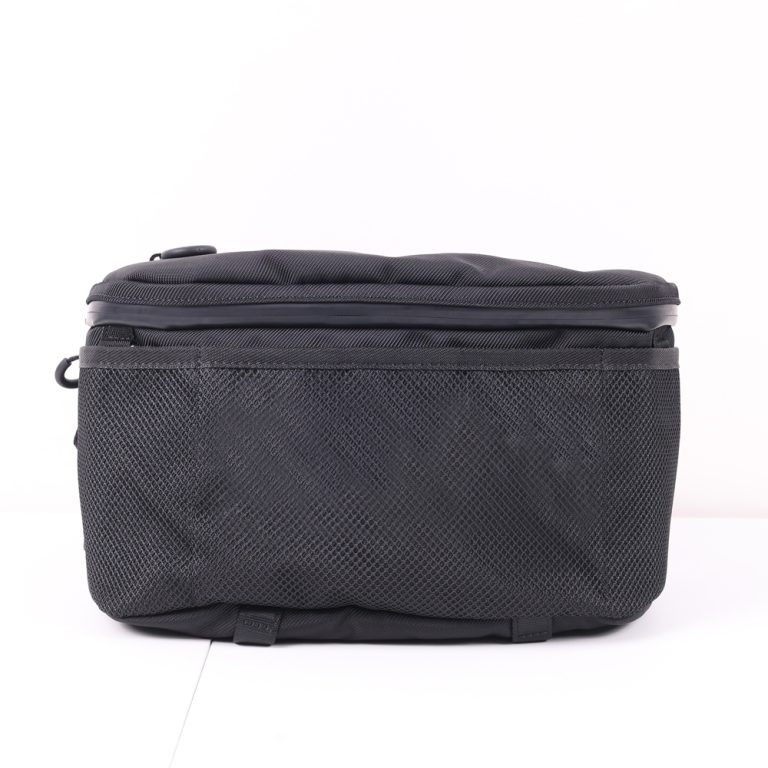
Empirical grounding is essential: field testing with commercial anglers on the Great Lakes has repeatedly shown that abrasion from boat fittings and repeated exposure to spray accelerate failure modes in bags designed without reinforced bases. This operational observation aligns with laboratory findings and supports procurement choices that privilege reinforced stress points. My own collaborations with product testing labs and technical textile engineers, combined with documented field trials, inform specification language that reduces returns. For a concrete product reference that exemplifies attention to compartment design and reinforced construction, consider the Fishing Gear Bag.
Implementation roadmap and quality controls
Begin with a two‑tier prototyping plan: a functional prototype to validate form and load paths, followed by an environmental prototype to validate material claims under accelerated aging. Specify testing—Martindale abrasion, ISO seam strength, zipper cycle counts and salt spray for hardware—and require certificate of conformity for recycled content from accredited labs. Use small pilot production runs with end‑user validation, then escalate to volume only when empirical acceptance criteria are met. Maintain a documented defect rate threshold tied to warranty terms to ensure supplier accountability.
Final synthesis
Resolving the tension between ecological intent and functional performance requires targeted specification, staged validation and attention to stress‑concentrated areas rather than wholesale material substitution. When buyers apply an evidence‑based framework, compare hybrid design alternatives, and demand laboratory‑backed acceptance criteria, they achieve durable, sustainable outcomes that serve end users and the supply chain; that pragmatic alignment is evident in the product development practices exemplified by ChangRong.