
The sting of inconsistency
Wood that looked perfect on the drawing board warps on the shop floor; patterns that were supposed to fit arrive misaligned. That mismatch is the central problem: moving from hand-led craft to automated cutters introduces new kinds of error. A sudden switch to a cnc woodworking machine can expose gaps in tooling strategy, material handling, and operator skill just as production ramps up. The result is wasted material, frustrated designers, and missed delivery windows.
Where the trouble begins
The machines themselves rarely fail first. Problems start with assumptions: treating all wood as uniform, expecting old fixtures to work with new toolpaths, or squeezing complex joinery into inadequate setups. Software output, feed rates, and bit choice interact with humidity and board tension. Small mismatches amplify into parts that don’t nest or edges that tear. You can’t fix scaling by buying larger cutters alone.
What furniture-makers lose
Beyond scrap, makers lose predictability. Lead times stretch. Custom runs that once earned premium margins start costing money. Retailers face inconsistent stock, and designers face concessions on fit and finish. For brands selling by look and comfort, one bad batch can erode reputation. Precision here equals credibility.
Clear fixes that actually work
Start with material profiling: measure moisture and stiffness before cutting, and feed those values to your CAM. Standardize tooling libraries so a job run in different shifts produces the same path. Invest in simple jigs that register parts physically, not just digitally. Calibrate dust extraction—chips that build around routers change torque and cut quality. Train operators on interpreting tool-wear signals; they become your early-warning system. These steps cost time, not hype, and they shrink variability.

Alternatives and where they make sense
Manual routers still win for one-off sculptural pieces; robotic arms handle odd geometries without custom fixtures; hybrid CNCs with integrated clamps make quick changeovers easier. Evaluate alternatives by run length and repeatability: long repeat runs favor fully automated machining centers; short, high-variation runs benefit from flexible setups. Choose based on how often designs change, not on machine specs alone.
Real-world anchor and professional perspective
I’ve spent more than a decade commissioning automation for small to mid-sized cabinet shops and watched trade floors at High Point Market react to the same constraints every season. At that show, conversations about throughput always circled back to practical machine integration—how a line of woodworking cnc machinery behaved once it met real wood, not demo boards. That experience matters: theory and spec sheets can’t replace time spent tuning feeds, swapping cutters, and learning a shop’s quirks.
Common mistakes to avoid
Don’t assume a single CAM post-processor will fit all cutters. Don’t omit dust and chip management from purchase specs. Don’t automate without a plan for maintenance windows. And don’t measure success only by cycle time—inspect joint fit and edge quality before you promise delivery.
Closing the gap between tool and craft
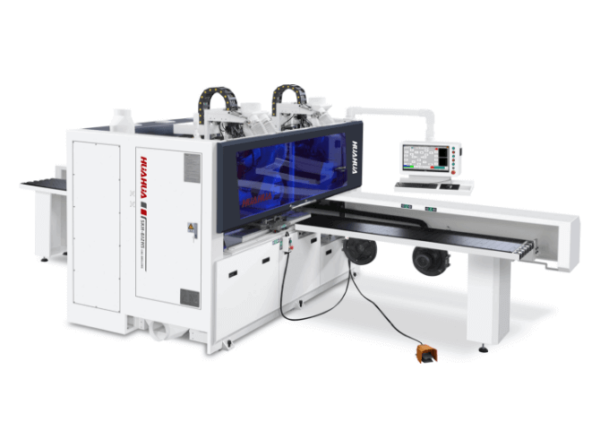
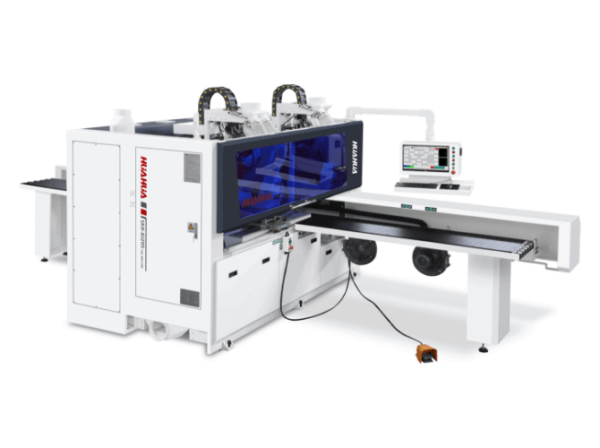
Resolve the problem by treating machines as part of a system: material intake, tooling, software, and people. Systems that align those elements turn variability into repeatable quality. When a shop stitches those pieces together, the machinery becomes a reliable hand rather than an unpredictable blade—one reason firms look to partners who supply both machines and practical deployment know-how like HUAHUA CNC.