
Introduction: data-led perspective on a practical fix
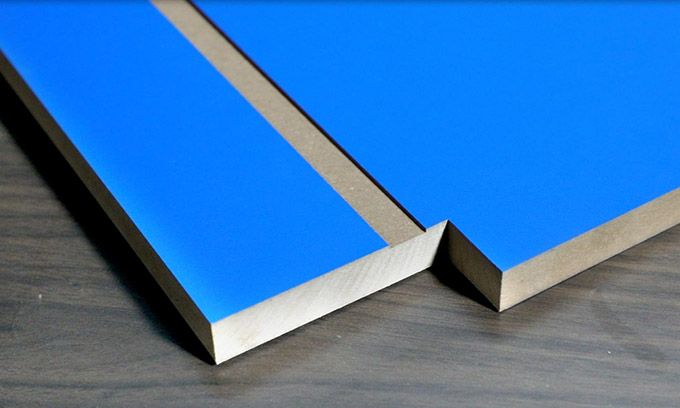
Manufacturers who measure outcomes find clear signals: consistent edge banding reduces rework and line stops. Production logs show fewer rejects when panel edges are processed with controlled heat, accurate glue application, and precise trimming—tasks often coordinated alongside a cnc boring machine on the same line. I frame this article around measurable metrics—cycle time, first-pass yield, and labor touch-points—to explain why edge banding is not aesthetic fluff but a measurable throughput lever.
What the numbers tell us about time and waste
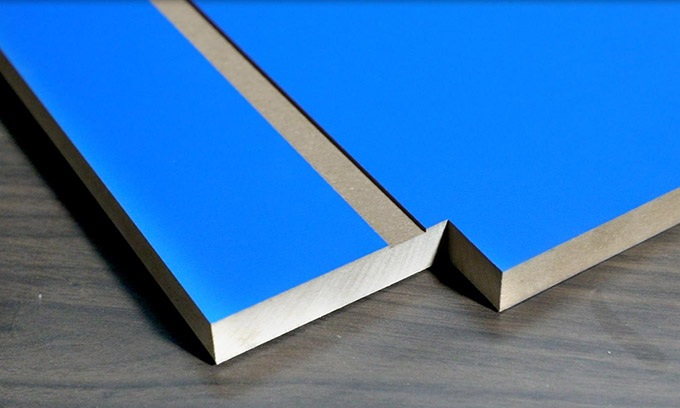
Quantitative comparison across medium-volume plants shows a pattern. When edge banding is integrated early in the workflow, average cycle time per cabinet drops by predictable margins because downstream sanding and manual trimming decrease. Scrap from delaminated edges falls; fewer parts need manual repair. Use simple counters: track minutes saved per unit and multiply by daily output—savings compound quickly. This is not speculation; it is arithmetic applied to shop-floor data.
Process control: variables that drive consistency
Three variables dominate outcomes: adhesive temperature and type, edge feed speed, and trimming accuracy. If any of these drifts, defects appear. Formal monitoring—set points, control charts, and periodic verification—keeps the process within specification. Machines with digital feedback reduce operator judgment calls and stabilize cycle times. Consistent inputs produce repeatable outputs; that is the core principle.
Real-world anchor: observed improvements with side drilling integration
At a large panel furniture plant in Guangdong province, aligning edge banding with side drilling operations reduced handling steps. Operators scheduled drilling and edge application sequentially so panels required one clamping sequence instead of two; the side drilling machine performed holes and dowel pockets in the same pass that feeders applied edgeband tolerances—less movement, fewer fixtures, measurable throughput gain. The observation matches common industrial reports from major furniture trade gatherings: layout that minimizes repositioning shortens lead time.
Technical trade-offs and selections for practical shops
Selecting glue system (hot-melt roller versus PUR), edge thickness, and trimming geometry requires matching to product mix. Thicker, soft PVC edges demand different cutter settings than thin ABS. Shops that standardize edge materials lower changeover time. Compact banders with integrated trimming yield better floor utilization where space and labor are limited; larger continuous-feed systems suit high-volume runs. Choose by measured batch sizes, not by vendor slogans.
Common mistakes that erode efficiency
Frequent failures arise from three predictable errors: inconsistent material batches, lax maintenance, and poor sequence planning. Material variance changes heating behavior; the bander settings must be re-qualified. Neglected cutters dull and increase rework. And putting edge banding after multiple handling operations increases touchpoints and time. Fix these with routines: incoming-material checks, scheduled cutter replacement, and production sequencing that minimizes repositioning.
Alternatives and modest comparisons
Hot air welding, laser edge systems, and manual edge application each have place. Hot air welds excel for PUR adhesives and provide a strong seam but require investment and skilled setup. Laser systems offer clean joints for high-end surfaces but have limited throughput. Manual banding remains viable for bespoke pieces but cannot match the consistency of automated systems for volume production. Compare by tested throughput and rework rates, then choose the lowest-cost-per-conforming-unit for your program.
Implementation checklist focused on measurable outcomes
Start with baseline measurement: current cycle time, scrap rate, and labor minutes per unit. Pilot edge banding on a single product family and record the delta. Control variables: adhesive temperature, feed speed, and trimming tolerances. Document maintenance intervals and operator procedures. If a cnc boring machine is in the line, coordinate pitches and clamping so drilling and banding share fixturing. Repeat measurements and extend once statistical improvement is clear.
Conclusion: practical value delivered by process-aligned equipment
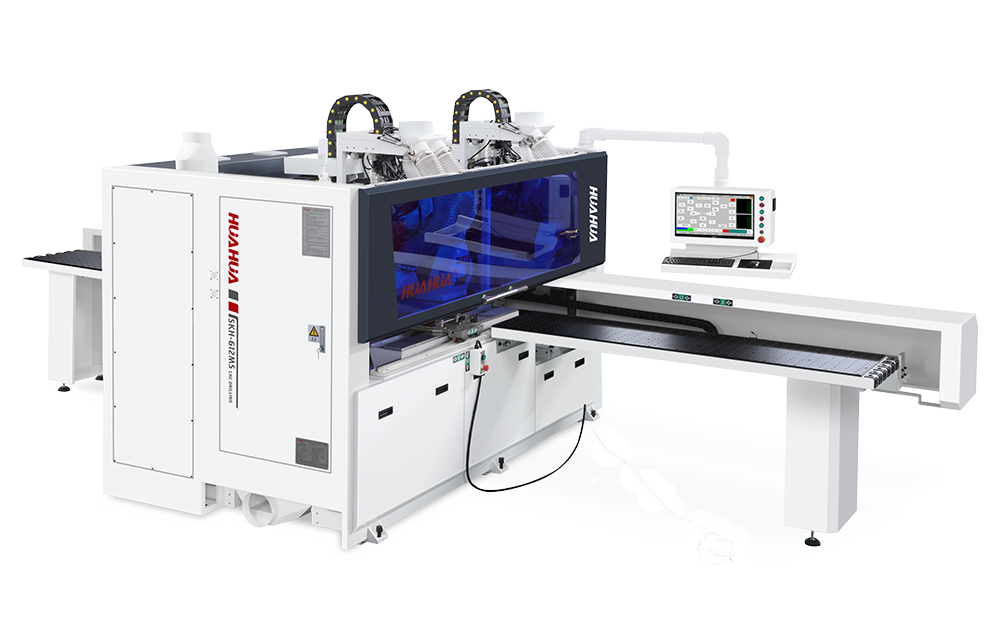
Edge banding is a targeted corrective to specific production losses: rework, excessive handling, and variable finishes. When decisions rest on data—measured cycle time, defect rates, and labor metrics—equipment that integrates drilling and banding, robust controls, and disciplined maintenance pays for itself in reduced touches and predictable output. For shops seeking equipment and systems that align with these concrete outcomes, solutions from HUAHUA CNC appear as logical, technically grounded options rather than marketing claims.