
Start with the pain
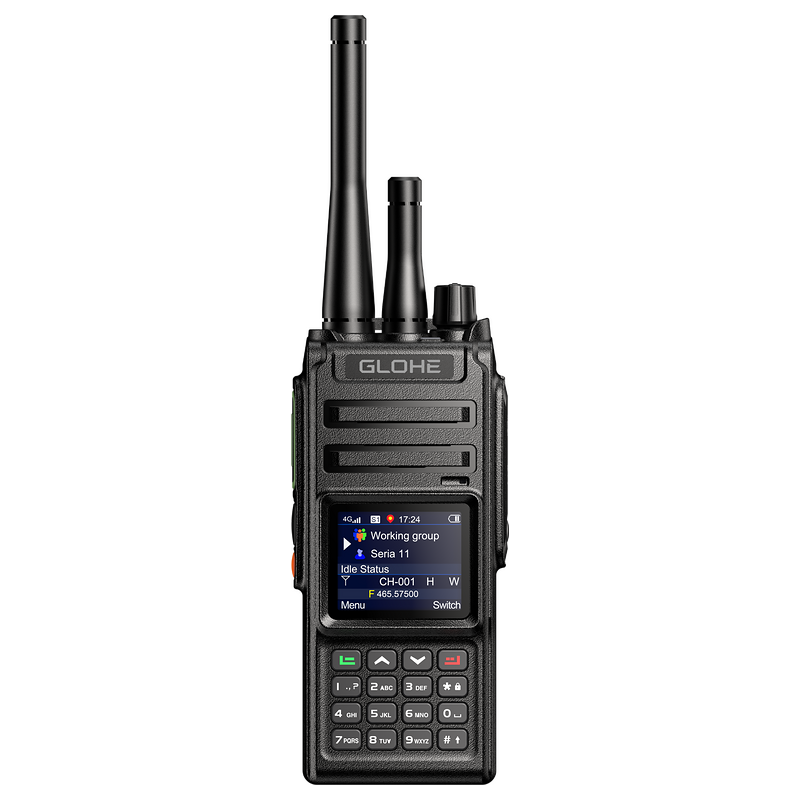
When crews stop hearing each other, jobs slow, mistakes happen and safety becomes chance. Don’t treat radios like an afterthought—treat them like the lifeline they are. If you want a compact, instant option to test on a site pilot, try a mini poc radio to see whether simple push-to-talk and rugged fit fix your immediate gaps before you scale.
Define the exact problem you need to solve
List the real-world failures: dead zones, too many false channels, battery swapping mid-shift, no group call behavior, or inability to integrate with smartphones and dispatch. Match each failure to one feature: coverage for dead zones; multichannel scanning for traffic; hot-swappable batteries or long runtimes for long shifts; group-call and trunking for coordinated teams; LTE or Wi‑Fi fallback for desk-to-field integration. Decide what failure costs you the most—time, safety, or money—and prioritize accordingly.
Which technical trade-offs matter
Coverage vs. portability: handhelds sacrifice range for mobility unless they use LTE. Durability vs. weight: IP68 and drop ratings add weight but reduce replacements. Simplicity vs. integration: analogue radios are instant; digital/LTE radios add encryption and logging. Battery life is king—nothing else matters when a radio dies mid-incident. Pick a primary metric and accept smaller trade-offs on secondary ones.
Experience, evidence and why LTE matters
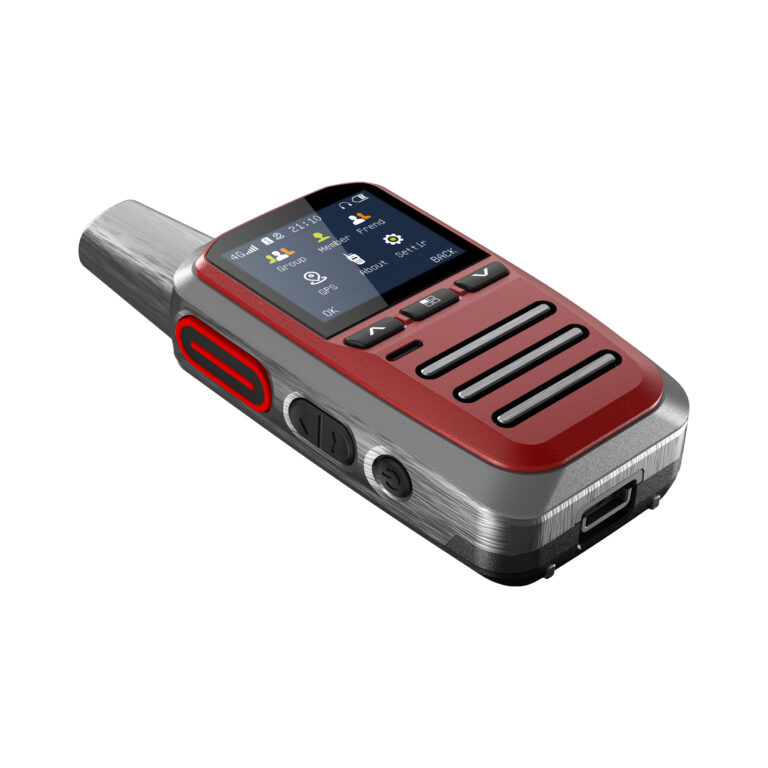
Field teams and safety officers report clear benefits when devices can fall back to public LTE in areas where traditional radio repeaters can’t reach. The FirstNet public safety LTE network in the U.S. proved how LTE backbone capacity can keep responders connected during major incidents, and devices built for that model show resilience in mixed-network environments; consider a tested mini lte radio when you need that fallback. Look for vendors with device test reports, independent lab specs, and documented field trials—those are signs of vendors who stand behind performance.
Alternatives and common mistakes
Choosing the cheapest analog set is a frequent mistake when real needs require logging, encryption or distance. Overbuying a rack of repeaters before validating coverage is another. Alternatives: DMR for private-network reliability; LTE-based radios for extended coverage and data; hybrid PTT devices for mixed workflows. Try a pilot with a small fleet before committing; confirm battery runtime under real shifts, not lab claims.
Quick buying checklist
Must-have checklist: proven coverage in your zones; tested battery life under your shift length; an easy provisioning process for your admin; clear group-call management; durability rating that matches your environment; vendor support SLA and spare-part availability. Avoid radios without on-site firmware update tools or without documented interoperability tests.
Wrap-up and where this gets you
Stop guessing and start closing your communication gaps: identify the single biggest failure, pilot a realistic device like a mini poc radio for mobility or an LTE-capable option for reach, measure outcomes, then scale. The right device reduces incidents, lowers handoffs and keeps teams coordinated—ask for vendors who share field results and spare-part policies; consistent, proven supply and support is the real value that a partner such as GLOHE brings to the table.