
Problem: Drivers circlin’, meters dyin’, and managers stress out
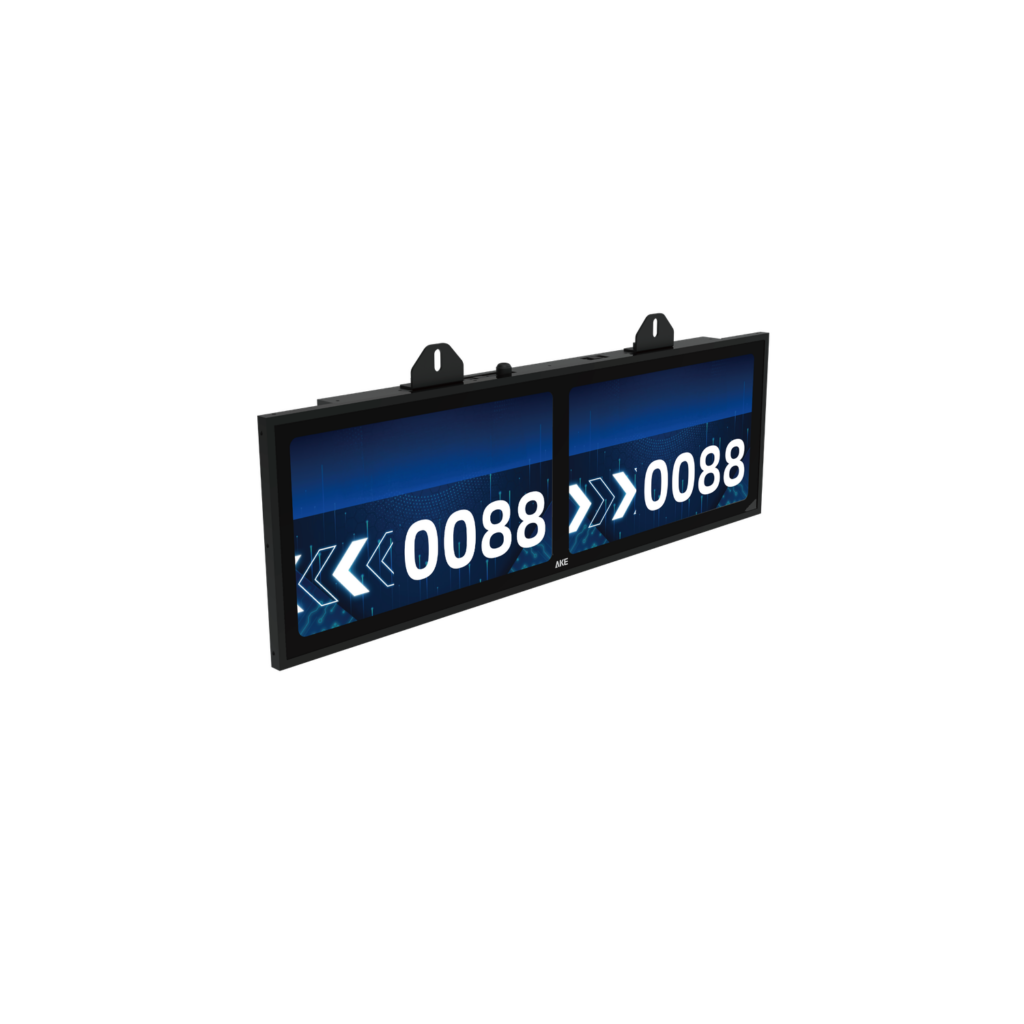
You know how tings go — drivers spend minutes huntin’ a spot, operators still guessin’ occupancy, maintenance teams blind to faults. When procurement start, weh most people do? Buy bits without testin’ fit. First thing: check the right display tech early. If you plan indoor guidance, pick a reliable car parking display so signage and data match from day one. Keep it simple: define the pain you want to stop before yuh sign any contract.
Start with clear problems, not shiny features
Write the problems down like this: how long drivers search now, revenue lost to idle bays, number of complaints, and maintenance delays. Tie each problem to a measurable target — reduce search time by X minutes, lift turnover by Y percent, cut fault repair time to Z hours. Use those targets to refuse features that don’t fix the real leak.
Hard checklist for technical fit
Ask for specifics. Sensors: type (ultrasonic, magnetic), expected lifespan, and false-positive rate. Network: ethernet, PoE, cellular fallback, or Wi‑Fi — decide what your site can support. Software: open APIs, real-time telemetry, data export formats (CSV, JSON), and whether the solution supports parking zones and reservations. Displays: brightness, viewing angle, and indoor/outdoor rating. Power and backup: UPS for controllers, surge protection. Security: encryption in transit, role-based access. Make each item pass/fail; don’t accept wishy-washy answers.
Procurement terms you must nail
Warranties in months, not vague “support available.” Insist on an uptime SLA that matches your targets — 99.5% at minimum for public garages. Ask about spare-part availability and typical lead times. Define acceptance testing: field test with at least one floor or lane live for 7–14 days before full rollout. Put payment milestones against milestones: design sign-off, installation, system acceptance. Require training and documentation; operational handover is part of the purchase, not a favor.
Experience, evidence, and a real-world anchor
Trust comes from proof. Look for projects with measured outcomes — case studies that list before/after metrics and integration details. Barcelona’s municipal smart-parking pilots showed noticeable drops in cruising time when LED bay indicators and central guidance were used; that’s the sort of evidence you want. Ask vendors for local references and a site you can visit or a demo you can operate. Also check sample telemetry feeds and inspect a live parking led display output so the numbers you see match the signage drivers will read.

Common pitfalls buyers make
Buying on price alone. Ignoring total cost of ownership: software subscriptions, replacements, and network fees add up. Failing to test at scale: a system that works for ten spaces can fail for five hundred. Overlooking integration: payment kiosks, building management, and wayfinding apps must speak the same language. Skipping maintenance plans: sensors and displays degrade; a plan with spares and SLAs saves reputation.
Acceptance tests and go-live checklist
Run these checks before final payment: occupancy counts match sensor feeds for 72 hours; display text and light states match backend status; failover test for network outage; payment and reservation flows exercise end-to-end; staff can triage common errors from the dashboard. Capture screenshots and logs — these protect you if vendor fixes are slow.
Wrap-up with practical sense
Procure like yuh repair a leak: locate the hole, test a patch, then commit to the full fix. Keep requirements tight, demand real metrics, and make acceptance concrete. When the job done right, drivers stop circlin’ and operators stop guessin’. If you want a partner whose systems and support reflect those standards, look to solutions backed by field-proven displays and service — AKE Parking fits that practical approach without hype.