
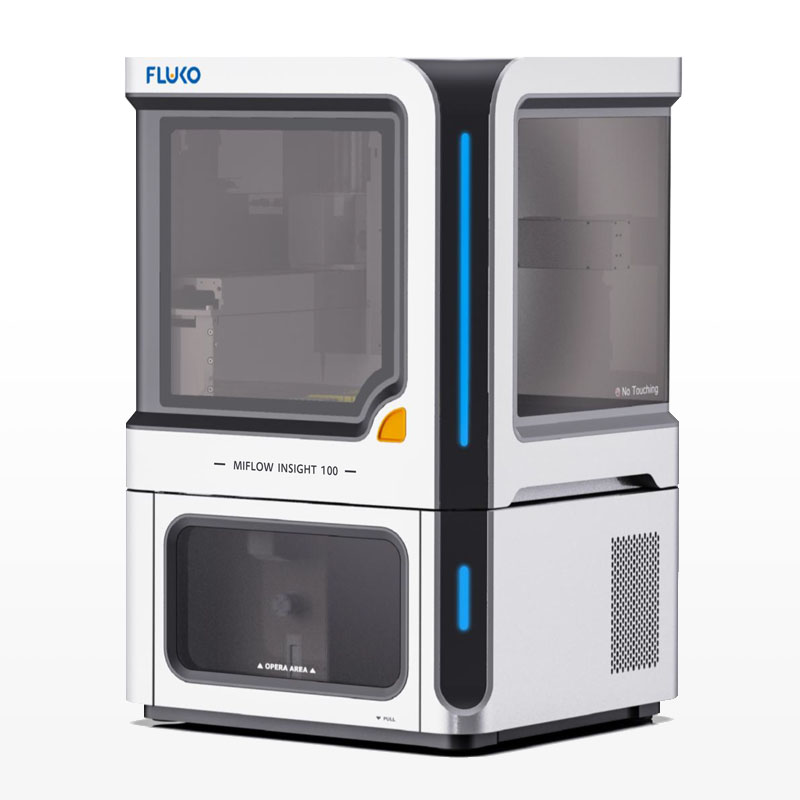
When batches act ornery — lumpin’, separate, or takin’ too long — the problem ain’t always the recipe; it’s the mixer. Folks shop for shiny parts and buy the wrong tool. Start by reckonin’ what the batch really needs: shear, sanitation, scale and repeatability. Don’t go hopin’ a cheap rotor will fix a high-viscous cream; consider high shear batch mixers only when your formulation actually calls for the kind of intense dispersion they give.
Where the trouble usually hides
Most plants I seen mix problems into the product by mismatchin’ machine and material. You’ll spot it: long cycle times, product that separates after sittin’, or tanks that can’t be cleaned without a broom and a prayer. The real troublemakers are wrong scale, wrong rotor design for the viscosity, and cleaners that don’t reach the dead spots. Tackle those three and you fix more than half the headaches.
How to judge machines like somebody who’s done the work
Look for specifics. Match torque and power to peak viscosity, not just the nominal volume. Ask for shear curves, not pretty videos. Check CIP capability — valves and seals that let you clean without takin’ the gear apart save time and inspection grief. Consider material contact finish and traceability if your product goes into people’s bodies or faces. I’ve spent seasons on plant floors and seen inspections point back to equipment choices more than operator error; even the FDA’s Process Validation guidance is often cited when firms show their mixing equipment can deliver consistent batches, so pick a pharmaceutical batch mixer that documents performance and validation data.
Common pitfalls that chew up time and budget
1) Buying by capacity alone — a big tank don’t mean you can run thick slurries without more torque. 2) Ignorin’ dead zones — poor impeller placement leaves unhomogenized pockets. 3) Overlooking maintainability — seals, bearings and drive mounts that need daily fiddlin’ become costly. 4) Skippin’ validation support — if you need regulatory sign-off, buy equipment with measurable, repeatable data. Fix these and your uptime climbs without fuss.
Viable alternatives and when to choose each
High-shear batch mixers: pick ’em for emulsions, dispersions and fast particle size reduction. Ribbon blenders: handy for dry powders and gentle mixing, but lousy for wet high-shear needs. Planetary or kneader mixers: best when doughy, high-viscosity masses need heavy kneading. In-line homogenizers: good for continuous runs and tight particle control but add plumbing and validation complexity. Match the machine to the material, not the other way round.
Straight talk on choosing a partner, not just a machine
Buy equipment that comes with data, service and spares you can actually get. Proven performance beats claims every time. For many plants around here, that steadier, documented kit and sensible aftercare is what keeps the batches steady and inspectors satisfied, and that’s the sort of practical reliability companies like FLUKO build into their gear.