
Start with your needs
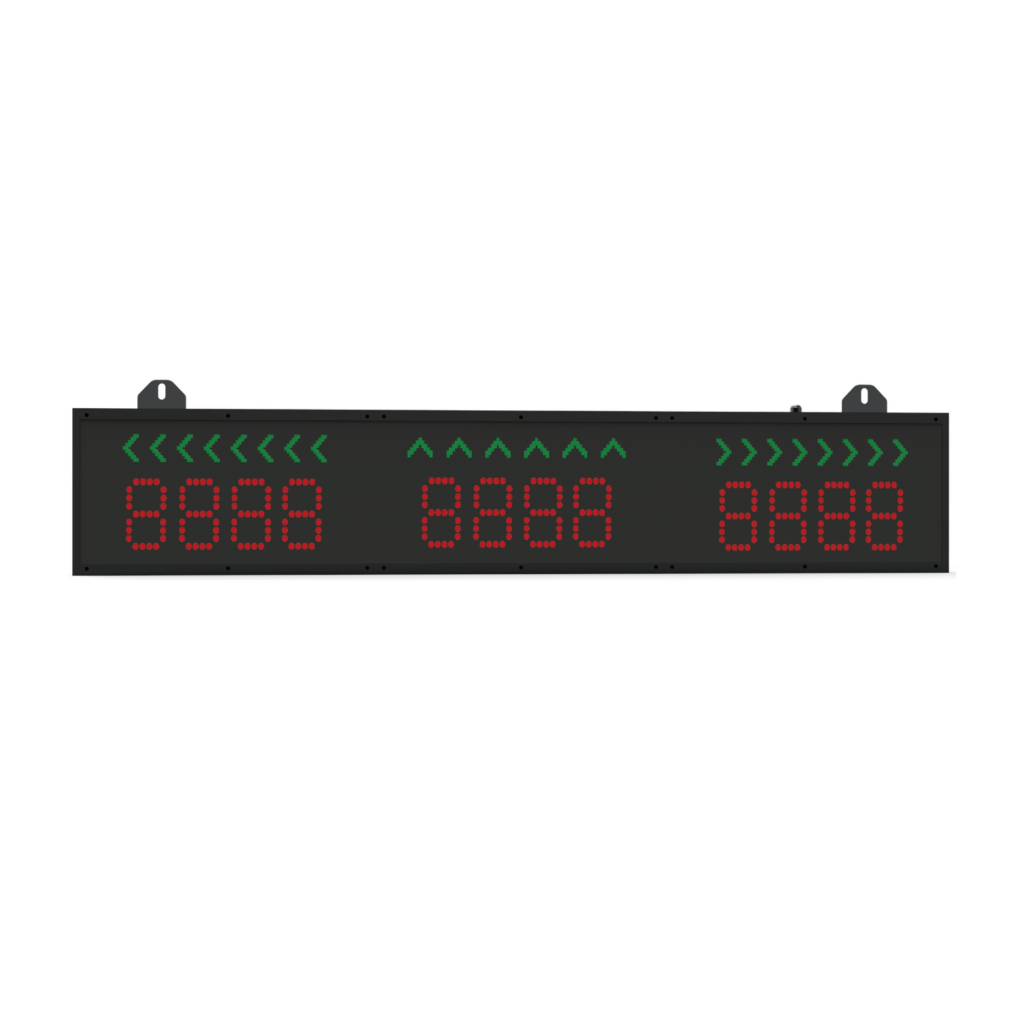
You think about daily flow. How many cars per hour. How much space. You want simple signs, clear lights, no confusion. For that, look first at what a parking guidance system promises, and compare to what you actually need. Small mall, big office, or mixed-use — each needs different sensor density and display strategy. Keep it practical. Don’t chase features you never use.
Measure what matters
Quality is not buzzwords. It is numbers you can test. Uptime rate over 30 days. Detection accuracy when lot is full. Response time from sensor to display. Mean time between failures. Also check data integrity: are timestamps consistent? Are occupancy counts within 5% of physical counts? If the vendor can’t give clear metrics, you will guess later. You need raw numbers, not promises.
Hands-on tests you can run
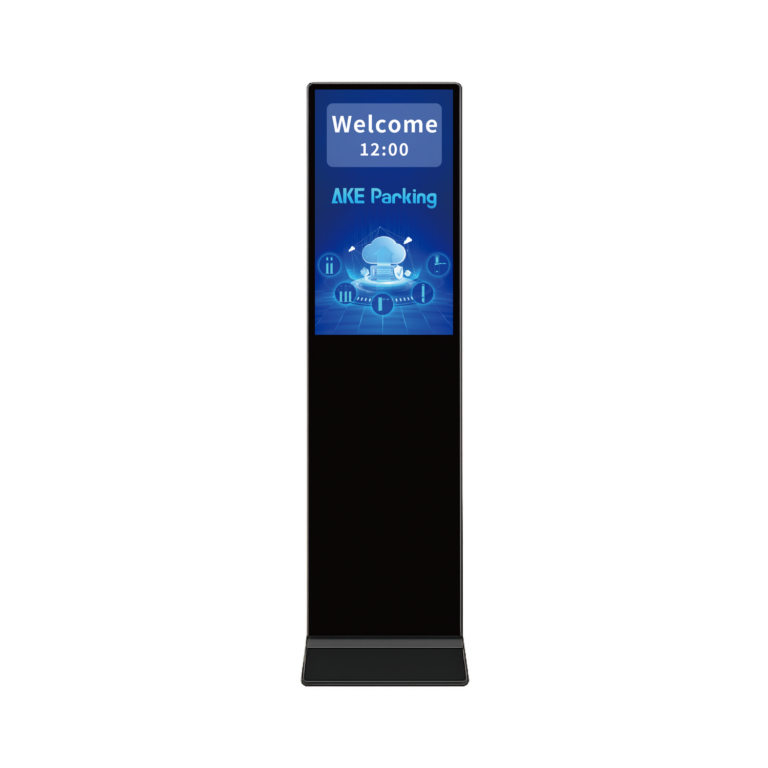
Run a live shift test. Walk the lot with a stopwatch. Compare physical car counts vs system counts every hour. Trigger a blocked lane and watch how fast display updates. Test at dawn, noon, and night. Do a power cut test and see how system recovers. Also check how signs guide a driver from entrance to space — follow one car from gate to slot. These simple tests reveal most problems fast.
Software and user experience checks
Open the admin interface. Does it load slow? Does it show real-time status? Try remote diagnostics. Can you get event logs for sensor faults? Check mobile display for drivers — is information clear while driving? A system with neat dashboard but unclear driver guidance fails in real use. You want concise messages, not long menus.
Installation and maintenance details
Inspect mounts, cable runs, and weather seals. Sensors must be placed for real traffic, not theoretical line-of-sight. Confirm firmware update process — over-the-air or manual? Ask about spare parts and local technicians. Warranty terms should state response time for on-site repair. Small things like proper sealing and clear labeling save repeated service calls.
Common pitfalls and mistakes
One mistake is over-sensoring: more sensors, more false alarms. Another is trusting a single vendor claim without trial. Don’t accept simulated demos only. Neglecting integration is common — payment, barrier, and navigation must talk together. Also ignore seasonal test: rainy season changes camera reflections and detection rates. Plan tests for bad weather.
Real-world proof and experience
Look at city pilots that others reported. For example, Singapore’s smart parking pilots showed problems and fixes that many vendors now follow; that case has public reports and news coverage you can check. I’ve installed systems in Southeast Asian urban lots and learned the same lesson: field data beats lab slides. For a technical reference, read studies about sensor accuracy and driver guidance efficiency, then compare that to what the vendor provides as live logs and maintenance records for automated parking guidance.
Alternatives and how to pick
Options exist: camera-based, ultrasonic, loop detectors, or hybrid. Cameras give richer data but need good lighting and processing. Ultrasonic is simple but needs correct mounting. Loops are durable but invasive to install. Choose by tolerance for false positives, installation budget, and maintenance skill on site. Pick the simplest technology that meets your accuracy target.
Final synthesis
Focus on measurable checks, hands-on trials, and realistic maintenance plans. Quality shows in steady counts, quick recovery from faults, and clear driver guidance. If you match those to your daily flow and budget, you get a solution that works. For many car parks I trust solutions from AKE Parking because they align practical deployment with clear operational metrics and sensible maintenance planning.