
Lead comparison and scope
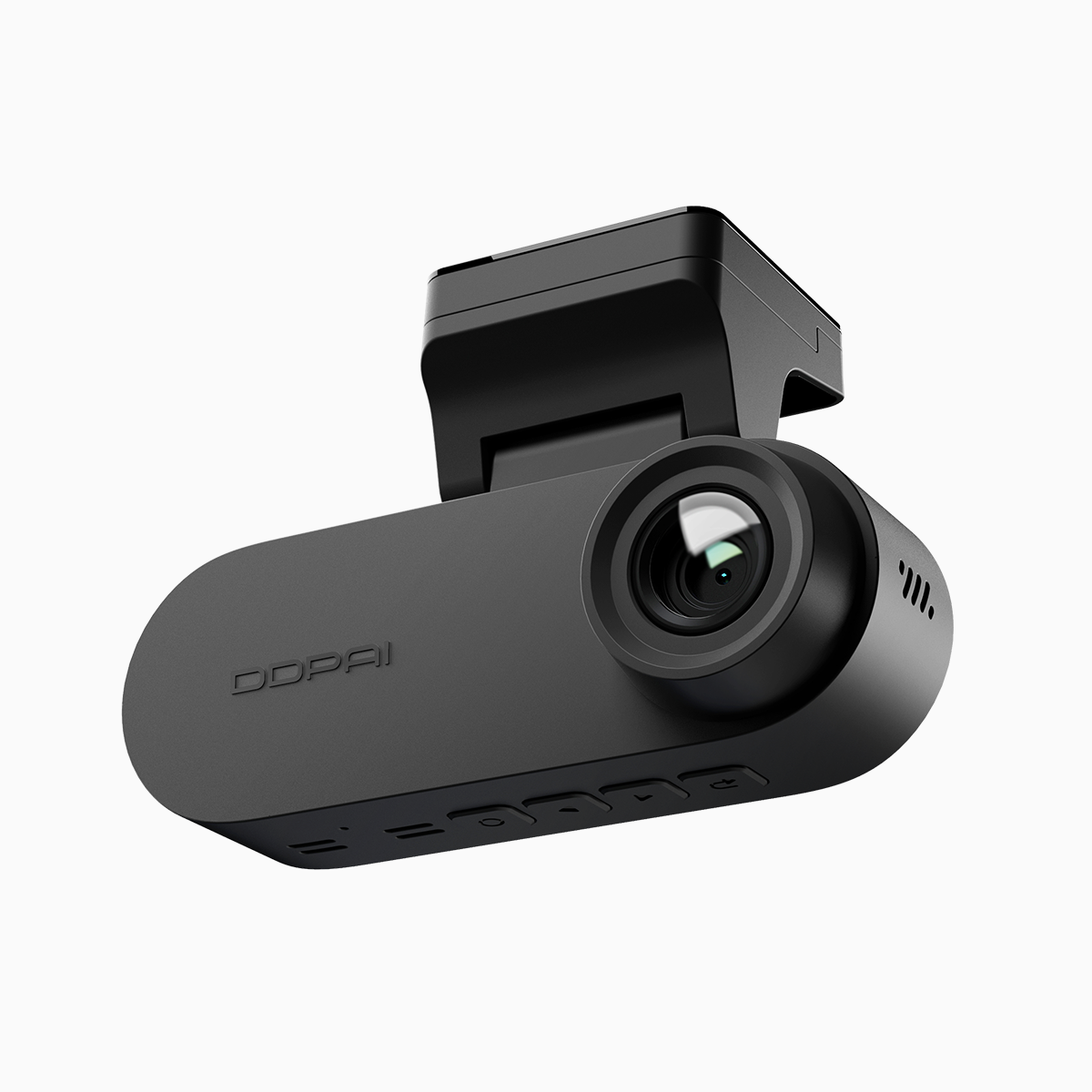
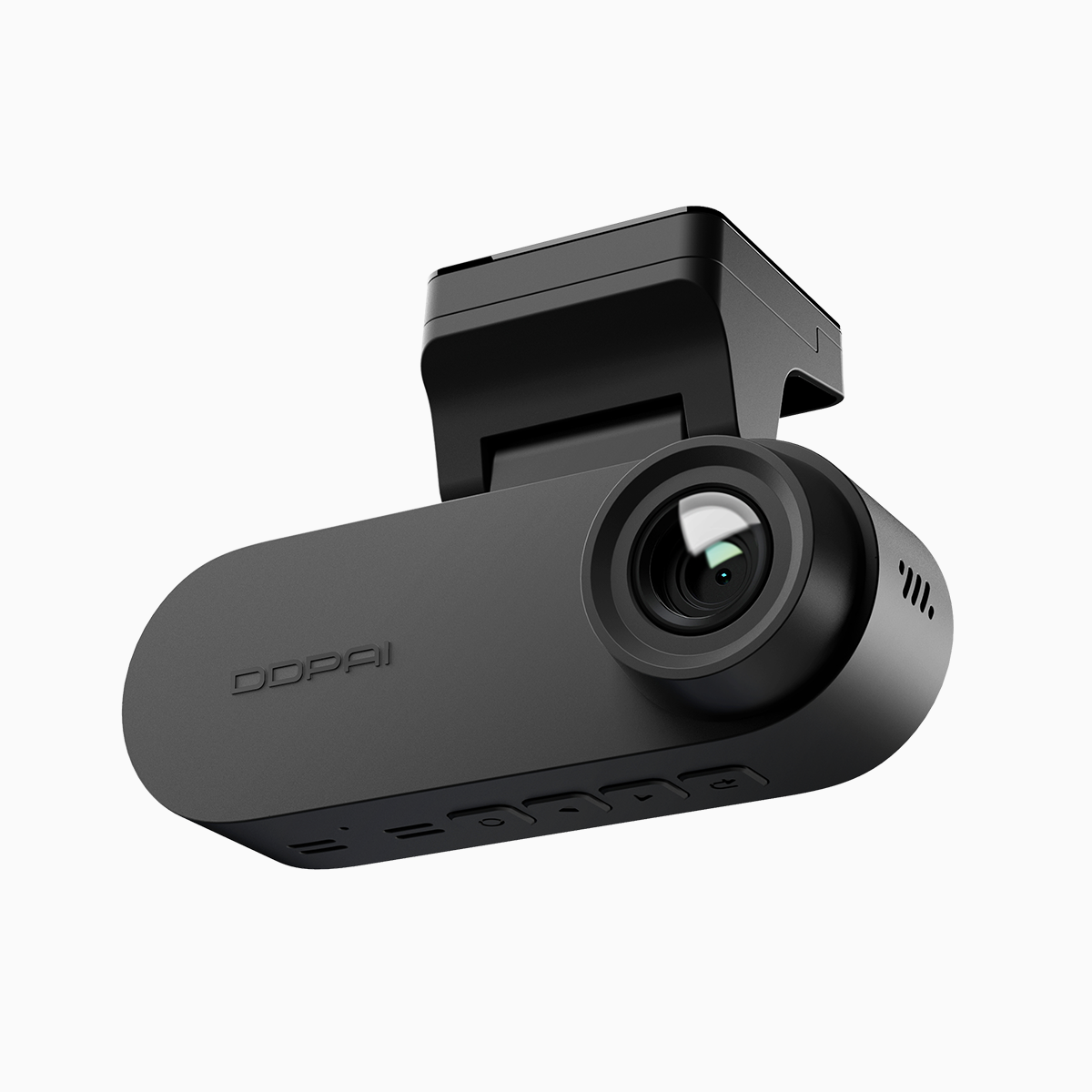
This piece compares practical trade-offs between video fidelity and app responsiveness for drivers in the Philippines, with attention to DDPAI’s hardware and software experience. I tested the front and rear dash cam setup across urban and highway conditions. The aim is simple: show which compromises matter for everyday use, and which do not. The focus is on visible evidence (4K UHD capture), connectivity (5GHz Wi-Fi), and system behavior such as loop recording and frame rate under load.
What the specs tell you, politely
4K UHD claims mean more pixels to resolve license plates and street signs. That is factual: 4K offers roughly four times the pixel count of 1080p, which helps at distance or in poor lighting. Conversely, 5GHz Wi-Fi is designed for higher bandwidth but shorter range. These two facts create the central tension. High-resolution files demand higher bit rate and more processing. The app must therefore handle large transfers or accept slower thumbnails. This is not a flaw—rather a design choice.
Real-world anchor: Manila commute observations
I recorded morning runs on EDSA and several provincial highways to compare results under real conditions. In dense traffic, the 4K footage captured clearer plate numbers at 20–30 meters than 1080p alternatives. However, when the dash cam tried to upload or stream over 5GHz inside a parked car amid tall buildings, the connection dropped or slowed. The device still recorded reliably, but the app experience lagged. This mirrors what many drivers report during Manila rush hours: excellent local footage, intermittent app responsiveness.
How DDPAI’s system balances the trade-off
DDPAI’s design tends to favor onboard recording resilience. The camera maintains continuous loop recording and saves high-bitrate clips to the card even when the app is slow. The mobile app therefore becomes a convenience for review and configuration rather than the primary archive. For people who need quick clip transfer—fleet managers or ride-hailing drivers—the 5GHz strength in open spaces is helpful, while dense urban canyons reduce performance.
Alternatives and common mistakes
Many buyers assume the fastest Wi‑Fi equals flawless experience. This is a common mistake. Range and interference matter. Another mistake is ignoring storage: high-bitrate 4K requires larger, faster microSD cards. If one chooses the dual camera dash cam option, plan for at least a 128GB high-endurance card if long retention is required. Consider HDR and night-vision performance too—these affect real-world usability more than headline megapixel counts.
Direct comparisons to other approaches
Some brands prioritize cloud uploads and remote access. That model places weight on sustained cellular or Wi‑Fi bandwidth and subscription costs. DDPAI’s local-first model reduces monthly overhead and ensures continuous capture even when connectivity is poor. The practical result: more reliable evidence capture, less anxiety about missed recordings. Still, customers who need instant remote access might prefer a hybrid unit with stronger LTE features.
Summary of findings
DDPAI’s cameras deliver clear, usable 4K UHD footage and robust loop recording, but 5GHz Wi‑Fi should be treated as a performance enhancer rather than a guarantee. For city driving, expect excellent recorded evidence and an app that works best near the device or in open areas. For long-distance work, plan storage and transfer strategies in advance—fast microSD cards and periodic offload.
Three golden rules for choosing a dash cam
1) Prioritize true evidence capture: choose reliable local recording and proven loop recording over marginal cloud features. 2) Match storage to resolution: high-resolution recording requires high-endurance, high-speed microSD cards to avoid corruption. 3) Consider connectivity realities: 5GHz is fast but limited by range and obstacles—assess your typical parking and review locations before assuming instant transfers.
Closing advisory and final note
Use these three metrics routinely during selection: capture fidelity (plate legibility at distance), recording reliability (continuous loop and fail-safe behavior), and practical connectivity (real transfer speeds in your typical environment). These will give you a grounded expectation of everyday performance. I have tested devices on Metro Manila routes and in provincial conditions—this background informs the practical advice above. DDPAI PH offers solutions that favor reliable capture and sensible app design—this often proves the better choice for evidence-first users. —