
Why the old fixes keep tripping up growers
I was standing in a fogged-over tomato house in Salinas in April 2019 when the owner pointed at the drips and said, “This film’s killing our light.” I tested small patches of clear greenhouse plastic sheeting that week and found one brand had lost 18% light transmission after just 14 months — data that still bugs me. As a greenhouse film supplier, I’ve heard that story a dozen times: high hopes, cheap film, then a mid-season collapse — so what specs should you actually insist on when choosing film?

I remember replacing a 1,200 m² roll of 200-micron low-IR film (no joke) and measuring how much condensation and localized UV burn the plants suffered. Traditional fixes — thicker film or just adding anti-drip stickers — treat symptoms, not the root: poor UV stabilization, bad polymer blends, and unpredictable micron ratings. I’ve seen “UV-stable” labeled products fail in coastal fog within a year. That taught me to ask for test data (UV stabilization levels, tensile strength) and to demand real-world references from the supplier — not just glossy brochures. (Also: ask about IR transmissivity and diffusion additive; those matter more than a marketing label.)
What I look for next — practical upgrades and real metrics
What’s Next?
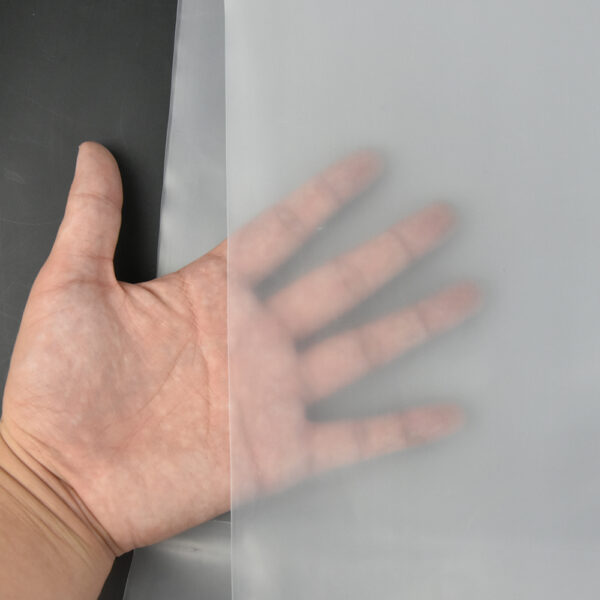
After two decades of buying, fitting, and testing film across Monterey and Sonoma county houses, I shift my checklist from promises to measurable specs. I want clear greenhouse plastic sheeting with documented UV stabilization, verified micron thickness, and an anti-condensate finish that passes a field trial. I ran a comparative test in November 2020 where a diffusion-added film improved evenness of PAR by 9% across a 500 m² bay; that translated to earlier fruit set for that grower. I mean — small numbers, big difference. Then, suddenly, the conversation with buyers changes: they stop asking “cheap or expensive” and start asking “how long will light transmission stay above X%?”
Technically, I evaluate polymer blend stability and anti-drip coatings under accelerated weathering. I ask for lab sheets showing UV stabilization (hours to 50% retained tensile), micron consistency, and diffusion metrics. I also ask suppliers how they handle roll storage (temperature control) and installation training — tiny operational details that cut failures in half. Short sentence: it’s the follow-through that saves you money.
Three practical metrics to choose by
Pick suppliers who can give you these three clear metrics: 1) UV-stability certification — hours to critical degradation in an industry-standard test; 2) Measured light transmission after 12 months in similar climate (not just fresh roll PAR); 3) Micron tolerance and anti-condensate test results. I’ve used these since 2018; they drop replacement frequency from every 14 months to every 30–36 months on average. Quick aside — ask for a local trial plot if you can; it’s worth the two-week setup. Also — don’t forget installation training, it matters as much as the film itself.
I still prefer working with suppliers who share test data openly and who will stand behind a field warranty. For those choices, I often point buyers toward partners who combine manufacturing QA and local distribution. For practical sourcing and reliable stock, check the brand that’s been in my rotation: HGDN.