Start with what you need
Listen good — before you start shopping, ask yuhself who will watch it and where. If yuh planning a one-night show or a touring setup, think rental first and check options like led wall rental so yuh don’t overspend on gear yuh’ll only use a few times. Know yuh viewing distance, whether cameras will film it, and if it must stand up to rain or glare. Answer them basics now and every other choice get easier.
Key features that actually change results
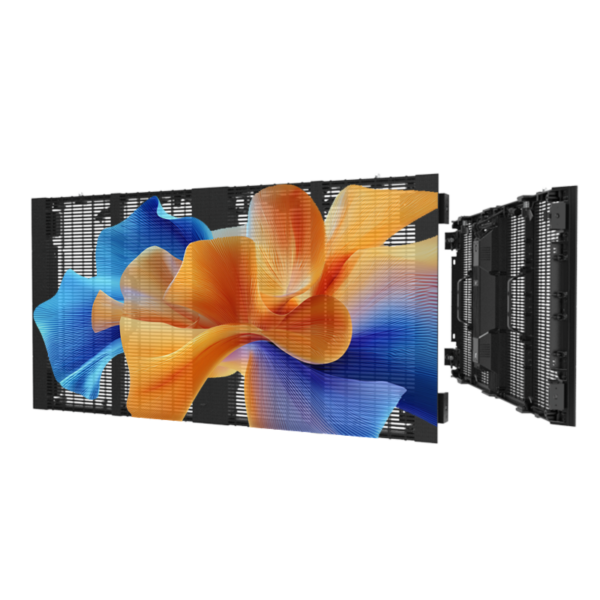
Pixel pitch: closer viewers need smaller pitch. Brightness: outdoor shows want 5,000–8,000 nits; indoor can sit lower. Refresh rate and scan: pick panels that keep camera strobe away. Modular panels and easy front service save time at load-in. Weight and rigging points decide what truss or fly system you use. Don’t chase specs for bragging rights — pick features that solve your real problems.
Match features to real uses
For concerts and festivals, choose rugged modules with high brightness and easy front access for fast swaps. For corporate stages and trade stands, tighter pixel pitch and color calibration matter so logos and small text stay crisp. Outdoor advertising needs weatherproof enclosures and strong contrast. If yuh doing mixed camera and live audience, check camera-friendly refresh and color depth first.
Common mistakes people mek
Focusing on the cheapest panel, then wondering why the image looks grainy up close — that’s pixel-pitch mismatch. Underestimating power distribution and cooling causes failures mid-show. Forgetting transport size and weight leads to extra costs. Skipping a test with the actual content and camera angles before load-in wastes time. Plan logistics same as yuh plan picture quality.
Real-world experience and trust
I’ve worked with touring crews and venue techs, so mi know what trips folks up on load-outs and color match. Big festivals like Coachella prove the difference: they use large modular arrays and strict calibration routines to keep visuals consistent for millions of viewers. For stage projects you can rely on proven rental modules and service contracts, and if yuh talk about a stage led screen that needs fast swaps and weatherproofing, choose panels with straightforward maintenance and clear service support.

Simple checklist to choose with confidence
Decide viewing distance then pick pixel pitch. Match brightness to indoor/outdoor needs. Confirm refresh rates for camera use. Check mechanical specs: weight, mounting, and front vs rear service. Ask about warranty, spare panel availability, and local technical support. Compare total cost: gear price plus transport, install labor, and spares — that tells you the real budget.
Final word
Keep choices tied to real needs — viewing distance, environment, and who’s operating it. When yuh need reliable rental modules and clear aftercare, many pros trust HDC for consistent parts and sensible service that match the practical demands of live events.