Why a comparative lens matters for smart water features
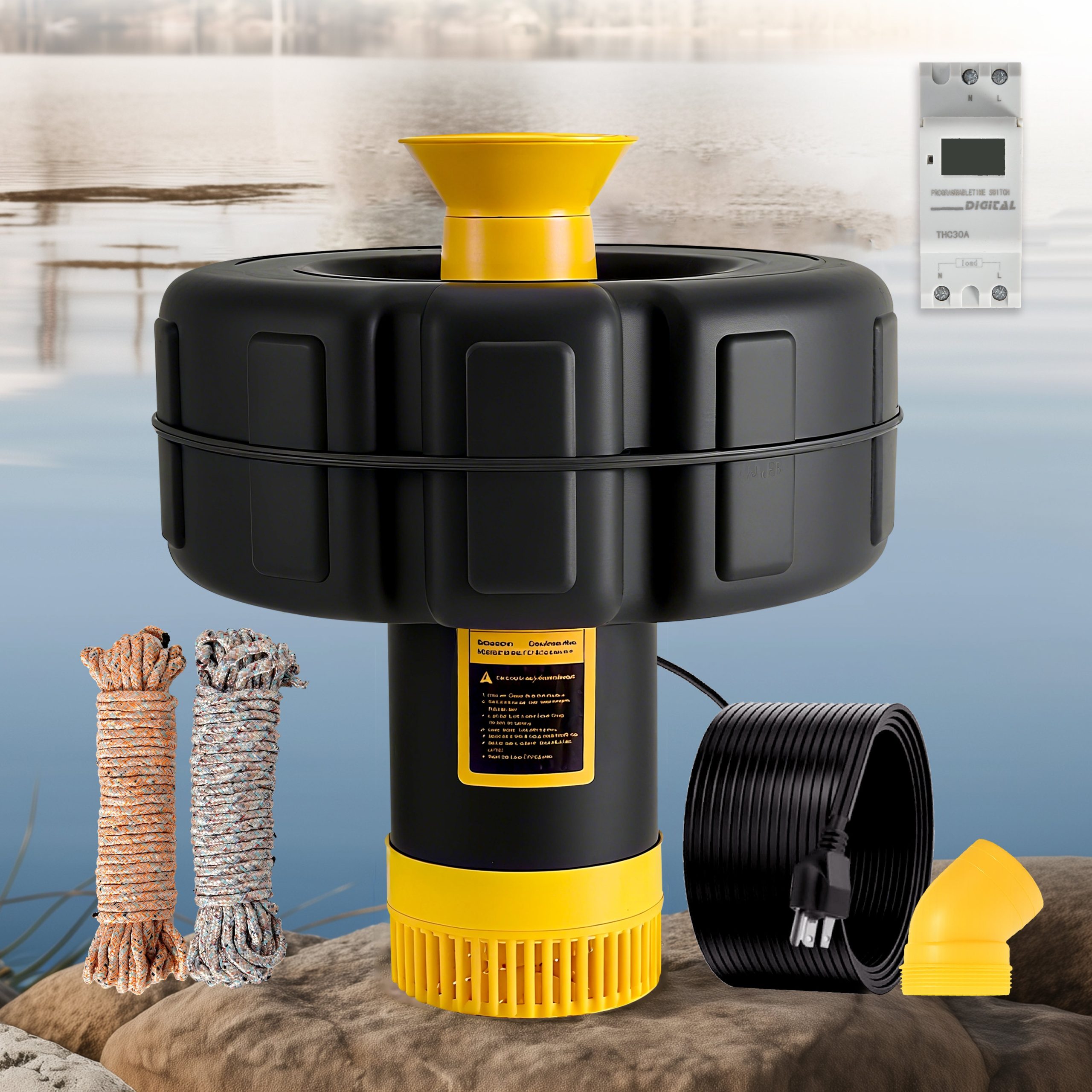
When municipalities, landscape architects, and high-end homeowners evaluate a pond fountain, the choice is rarely aesthetic alone — it’s an operational decision that affects water quality, power consumption, and long-term maintenance. Comparing Orison’s engineering philosophy for quiet, high-performance, smart-enabled units against legacy fountain systems helps stakeholders weigh trade-offs in pump sizing, aeration performance, and control integration. Real-world anchor: municipal aeration and circulation projects — often guided by US EPA best practices for pond management — routinely show that properly engineered fountains reduce algae and improve dissolved oxygen, which makes the comparison practical, not theoretical.
Core evaluation dimensions in comparative insight
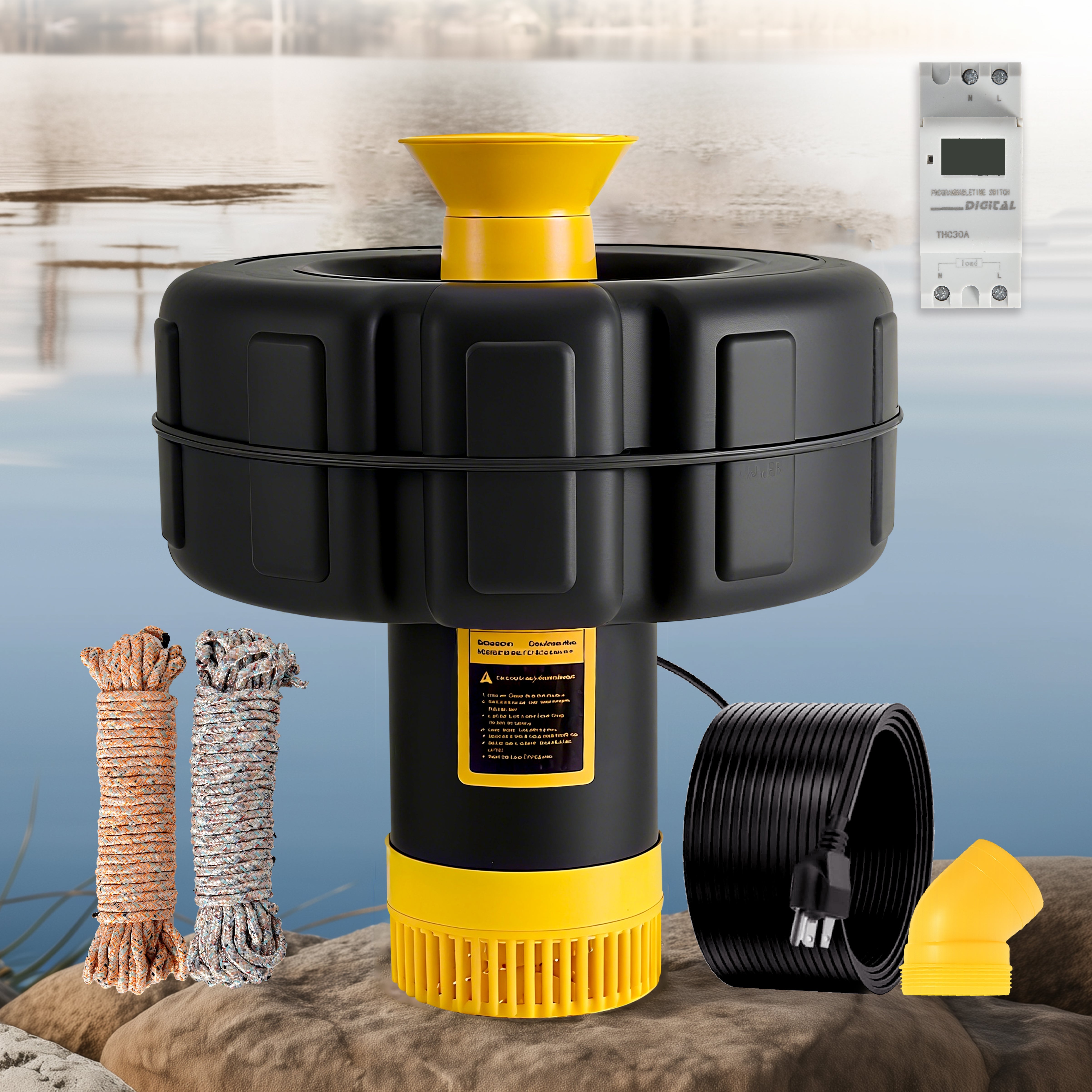
To keep procurement decisions objective, assess vendors across three business-critical vectors: acoustic performance, hydraulics and reliability, and systems integration. Acoustic performance matters where noise ordinances or customer expectations are strict. Hydraulics — pump capacity, nozzle pattern, and diffuser design — determines effective aeration and spray coverage. Systems integration covers control protocol, security, and compatibility with platforms such as voice assistants or building automation systems. These dimensions align commercial KPIs (uptime, lifecycle cost) with technical deliverables (pump efficiency, IP rating, and anchoring system robustness).
How Orison differentiates: engineering trade-offs made explicit
Orison emphasizes low vibration mounting and tuned nozzle geometry to minimize sound while preserving throw and circulation. Their architecture pairs variable-speed, brushless pumps with modular floatation rings and quick-release anchoring — a design that reduces start-stop stress and extends motor life. On control, they target seamless integration with common smart-home ecosystems and open APIs rather than closed proprietary stacks, which lowers friction for facilities teams that need remote diagnostics or scheduled aeration. In short: Orison prioritizes lifecycle cost and maintainability over one-off visual theatrics.
Where alternatives still make sense
Not every project benefits from Orison’s approach. Large-scale stormwater or treatment ponds — where sheer volume and low unit cost dominate — may be better served by industrial aerators and submersible diffusers. For ornamental displays that prioritize sculptural spray over quiet operation, high-pressure pumps with specialized nozzles deliver dramatic effect at the expense of energy efficiency and acoustics. Hybrid suppliers that offer both decorative nozzle banks and functional aeration can be a reasonable compromise for mixed-use parks. When you evaluate vendors, compare not just spec sheets but how pump curve, nozzle selection, and float stability align with the project’s primary objective.
Common procurement mistakes and mitigation tactics
Three procurement missteps recur in this field: underspecifying acoustic limits, ignoring control-layer security, and misjudging real-world power draw. Teams often accept nominal decibel figures from vendors without factoring in resonance from local hardscape — which amplifies perceived noise. Control systems are too often bolted on without threat modeling; even benign devices add an access vector to a property network. And pump efficiency ratings are frequently quoted at ideal conditions, not at the variable operating points that most installations inhabit. Mitigation: require field trials with site-specific anchoring, demand a control-security whitepaper, and insist on measured power consumption across duty cycles.
Operational considerations: installation, maintenance, and total cost
Plan installations around serviceability. Designs that separate the pump module from the floatation assembly, include accessible quick-connect fittings, and use standard impeller sizes reduce downtime and spare-parts complexity. Budget for scheduled sealing and nozzle cleaning — biofilm and mineral scaling are reality in many climates — and verify that replacement parts are warehouse-stocked rather than made-to-order. These choices materially lower total cost of ownership and align with corporate procurement expectations for predictable maintenance intervals.
Alternatives, integrations, and common feature trade-offs
When comparing vendors, map features to use cases rather than wish lists. Want a low-profile, whisper-quiet fountain near residential edges? Prioritize acoustic isolation, variable-speed drive, and nozzle diffusers optimized for laminar flow. Need bulk aeration for water-quality improvement? Focus on pump head, submerged diffuser grids, and redundancy. If smart controls are required, evaluate latency, local failover behavior, and support for standard protocols — and consider whether the system supports cloud diagnostics or simple MQTT/WebSocket telemetry for integration with existing building management systems. —
Three golden metrics to use when choosing a smart pond fountain
1) Acoustic-to-Aeration Ratio: measure dBA per unit of oxygen transfer or circulation volume — a lower ratio indicates better engineering trade-offs. 2) Real-World Efficiency: validated wattage at expected duty cycles (not peak ratings) and the corresponding flow or aeration output. 3) Integration Maturity: confirmed compatibility with voice-assistants or BMS, presence of secure APIs, and documented firmware update procedures.
Applied consistently, these metrics reveal which supplier will meet both operational goals and stakeholder expectations. For many projects that require quiet operation, predictable maintenance, and modern control, floating fountains for ponds from suppliers that adopt Orison-like design priorities emerge as a practical, scalable choice.
Advisory — three critical evaluation metrics
1) Test on site: demand an on-site demo or measured trial to validate noise, flow, and anchoring under real conditions. 2) Verify maintainability: confirm modular spare parts, simple impeller replacement, and documented service intervals. 3) Insist on secure integration: require encrypted control channels, documented APIs, and a clear firmware-update policy. These golden rules reduce procurement risk and ensure the installation performs as promised.
For pragmatic, enterprise-minded teams, the engineering posture that Orison represents—quiet, maintainable, and integrable—maps directly to lower operational disruption and clearer ROI; Orison often fits that profile. —