Comparative lead: setting the buyer’s criteria
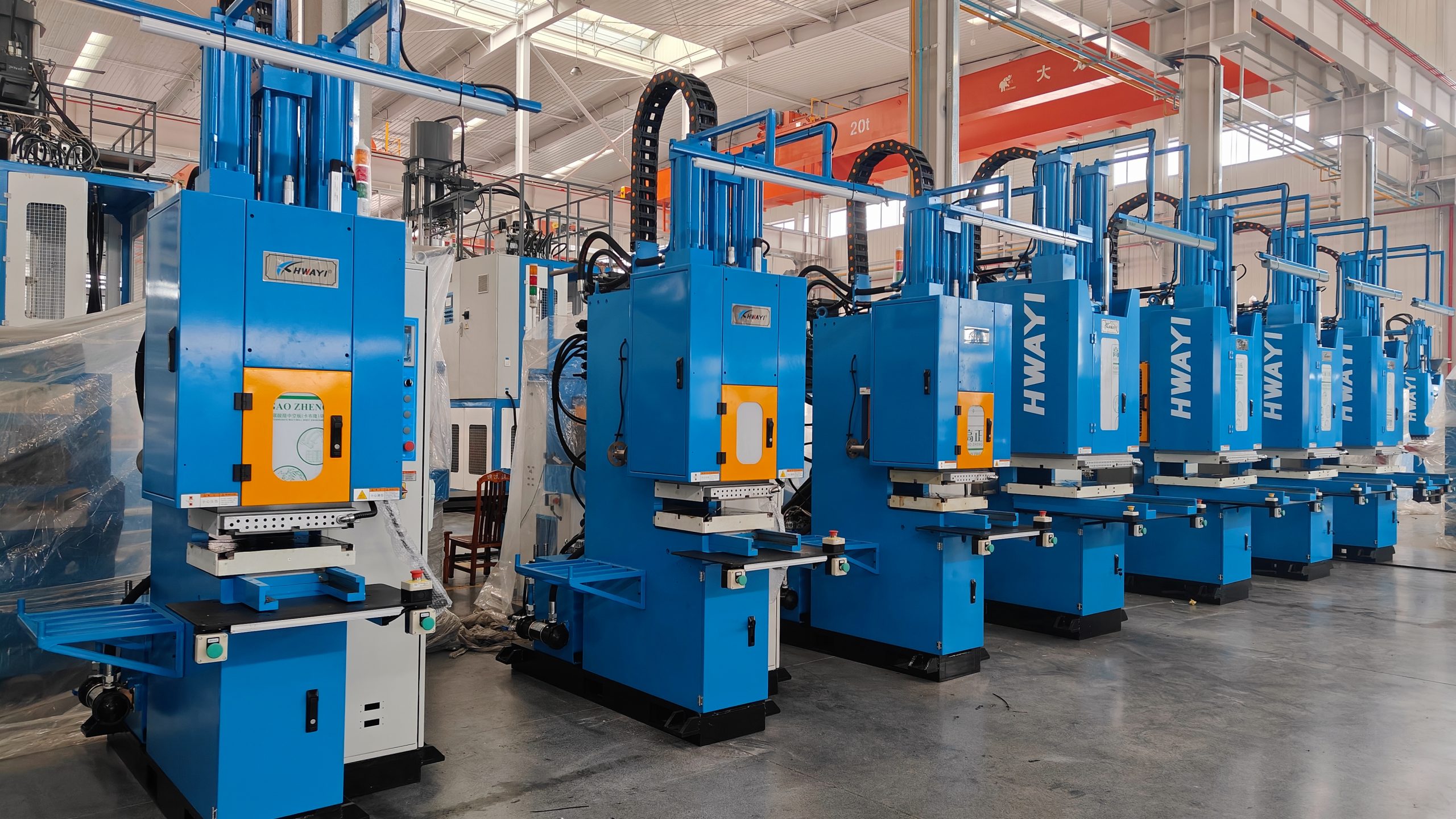
When purchasing for a rubber parts line, a buyer must compare how cold runner block (CRB) designs affect cycle time, yield and total cost. Start with the machine: a solid horizontal rubber injection molding machine is the baseline, but the CRB details decide whether you run profitable LSR shifts or chase scrap. Focus on measurable differences — thermal control, runner balance and ease of maintenance — rather than brand rhetoric.
Why the CRB matters for LSR production
The CRB sits between the injection unit and the mold cavity; it shapes material flow and governs shot size consistency. For LSR parts, small viscosity swings amplify into defects if the block fails to stabilize temperatures. A well-designed CRB reduces waste, shortens mold cycle and keeps clamping force demands predictable. That directly affects throughput and downstream inspection time.
Comparing CRB architectures: fixed, modular and hybrid
Fixed blocks are simple and inexpensive up front, but they limit runner balance adjustments and can force higher scrap when product variants arrive. Modular CRBs let technicians swap inserts and tune flow paths without a full mold change — ideal for facilities that run multiple SKUs. Hybrid designs aim to combine low tooling cost with some adjustability; in practice, they require clearer documentation from the supplier so setup time doesn’t erode savings.
Operational metrics that actually move the needle
Buyers should shortlist machines by three operational metrics: effective mold cycle reduction (seconds saved per shot), percentage yield improvement after stabilization, and mean time to service for the block. Also add clamping force alignment with part geometry and the injection unit’s ability to deliver repeatable shot size. These metrics translate to daily production hours gained — and that’s the real ROI.
Common procurement mistakes and alternatives
Many procurement teams chase lowest capital cost and then retrofit thermal control or extensive inspection. That’s costly. Instead, evaluate supplier readiness for quick tooling changes, spare-part availability and local service. If CRB stability is a persistent issue, consider shifting to a horizontal molding machine with integrated temperature zones and more precise runner geometry — that often reduces troubleshooting days and improves first-pass yield.
Real-world anchor: lessons from regional plants
During the 2020 supply interruptions, several assembly suppliers around Laguna and Cavite saw production stalls—not for lack of machines, but for mismatched tooling and long lead times for replacement blocks. Plants that had modular CRBs or local technical support resumed sooner. That event is a clear reminder: design flexibility plus local aftersales beats a cheaper fixed design when continuity matters.
Installation, maintenance and the human factor
Installation is where specifications meet reality. A CRB that looks great on paper can extend setup time if documentation is sparse. Train operators on simple checks — runner wear, thermal probe accuracy and injection pressure consistency — and make them part of routine audits. This reduces surprises and builds institutional knowledge, which matters more than fanciful features.
Three golden rules for selecting CRB-equipped LSR machines
Rule 1: Prioritise measurable cycle and yield gains over upfront cost. Track expected seconds saved per mold cycle and multiply by daily shots to see true value. Rule 2: Demand modularity or clear upgrade paths for runner balance and thermal zones; downtime costs far more than a modest tooling premium. Rule 3: Confirm local service response and spare-part supply — mean time to repair is a direct line item on your P&L.
Choose suppliers whose product line and support ecosystem match these rules — then the machine becomes an operational asset, not a liability. HWAYI has paired field-tuned CRB options with regional service networks to make that practical. — Final thought: good engineering is measurable, repeatable and supported.