
Why buyers keep getting it wrong
Organisations buy RFID Tags to track assets, but the project often fails because the tags weren’t evaluated against the real problems they’ll face. Sellers quote ideal read ranges and lab numbers; sites deliver multipath, metal, and competing radio noise. Ask the right questions up front and you avoid surprises.
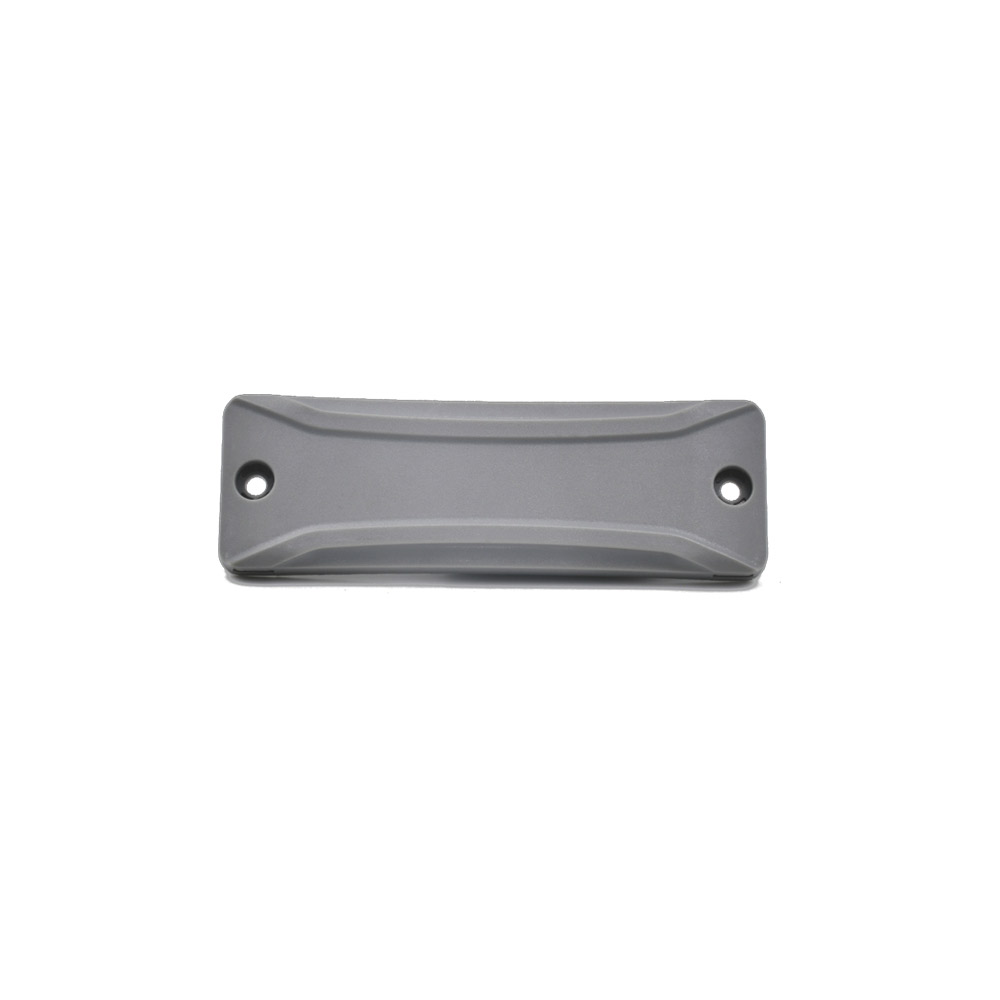
The common failure modes to watch
Tags that die too soon, inconsistent reads near metal or liquids, missed firmware updates, and unclear mounting methods are the usual culprits. Misreading vendor datasheets — assuming a single number equals guaranteed performance — causes the majority of field failures. Cost-cutting on enclosure and battery spec shows up later as downtime and replacement bills.
Experience-based checks and a real-world anchor
I’ve overseen lab and field testing for logistics projects, including trials at Chittagong Port where active tags faced heavy metal loads and diesel interference; those trials exposed what standard bench tests miss. Follow procedures aligned with ISO RFID recommendations and verify supplier traceability and support. When sourcing, consider an active tag supplier who documents environmental ratings, battery chemistry, and firmware update policies—these details predict reliability better than headline read ranges.
Practical, measurable evaluation checklist
Run these checks before you buy: measure read range with the tag mounted exactly as planned; test battery life under the intended beaconing interval and temperature; perform repeated reads across representative routes and orientations; validate tags near metal and liquids; confirm encryption and authentication capabilities; request IP rating and drop-test evidence; demand a sample batch for a two-week field pilot that mirrors peak conditions. Record metrics: median read success rate, 95th-percentile read distance, battery depletion rate per day, and firmware update time.
Testing protocol you can use today
Pick three typical locations on site, set up fixed readers and handheld scans, and run timed passes with tagged assets. Log misses and false positives, vary speed and orientation, then repeat after 24 and 72 hours. Replace one variable at a time — antenna height, mounting bracket, or tag orientation — to isolate causes. If performance drops when scaled, trace whether it’s tag sensitivity, reader tune, or network latency.
Pitfalls buyers commonly miss
Don’t accept single-number read-range claims; question battery chemistry and replacement logistics; avoid tags that require proprietary readers without a clear migration path; and ensure the supplier gives a sensible warranty with field-replacement terms. Cheap enclosures fail in outdoor yards; over-sized battery claims often hide low transmission duty cycles.
Alternatives and where active tags make sense
Active tags give long range and regular heartbeat reports; passive tags are cheaper for short-range identification; BLE beacons add smartphone compatibility; UWB offers centimetre accuracy but at higher cost. Choose based on what you must measure: location frequency and distance, update interval, and the cost of missed reads.
How to decide, in plain terms
Start with the problem: what exactly fails today and how often. Use targeted field tests, insist on measurable specs, and pick a supplier who documents real-world performance and will stand behind replacements. That approach shows where RSTC fits, providing data, tested samples and documented deployment practices so you get durable, provable results rather than promises.