
Framework overview and why it matters
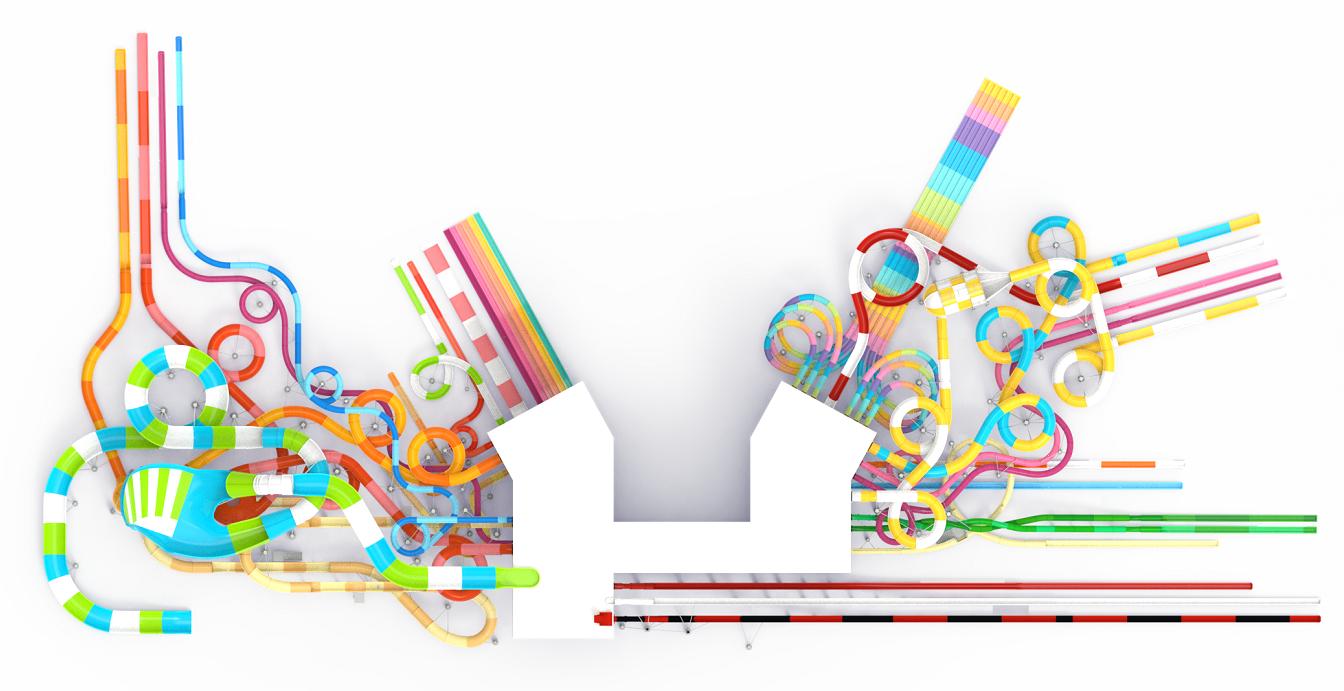
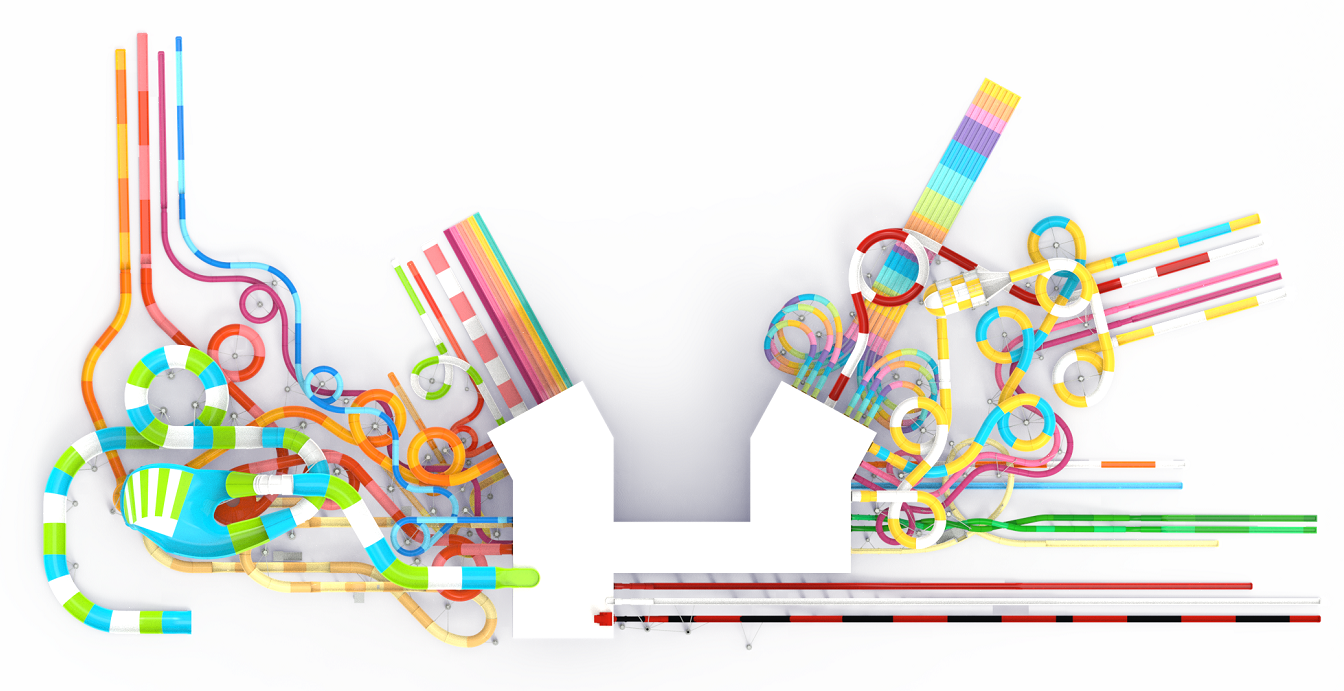
Folks building a water park need a simple map to keep people safe and keep the place running. Dalang lays out a framework that starts with site planning and runs through daily ops. That first step ties into how they approach water slide construction, from tower siting to splash pool sizing. Look at long-running parks like Walt Disney World’s Typhoon Lagoon and you’ll see how early decisions spare headaches later; those big parks taught the rest of us what really works.
1. Structural integrity and predictable loads
They treat the ride platform as a load-bearing structure, not just a pretty tower. Plans specify where to place columns, how to do retrofitting on old decks, and how to route deck drainage so water won’t undermine footings. A practical test: apply 1.5× the expected live load and watch deflection over 24 hours — that’s a direct, measurable check. Designers also map out access for maintenance crews so inspections aren’t a climb-through circus.
2. Surface finishing and fall management
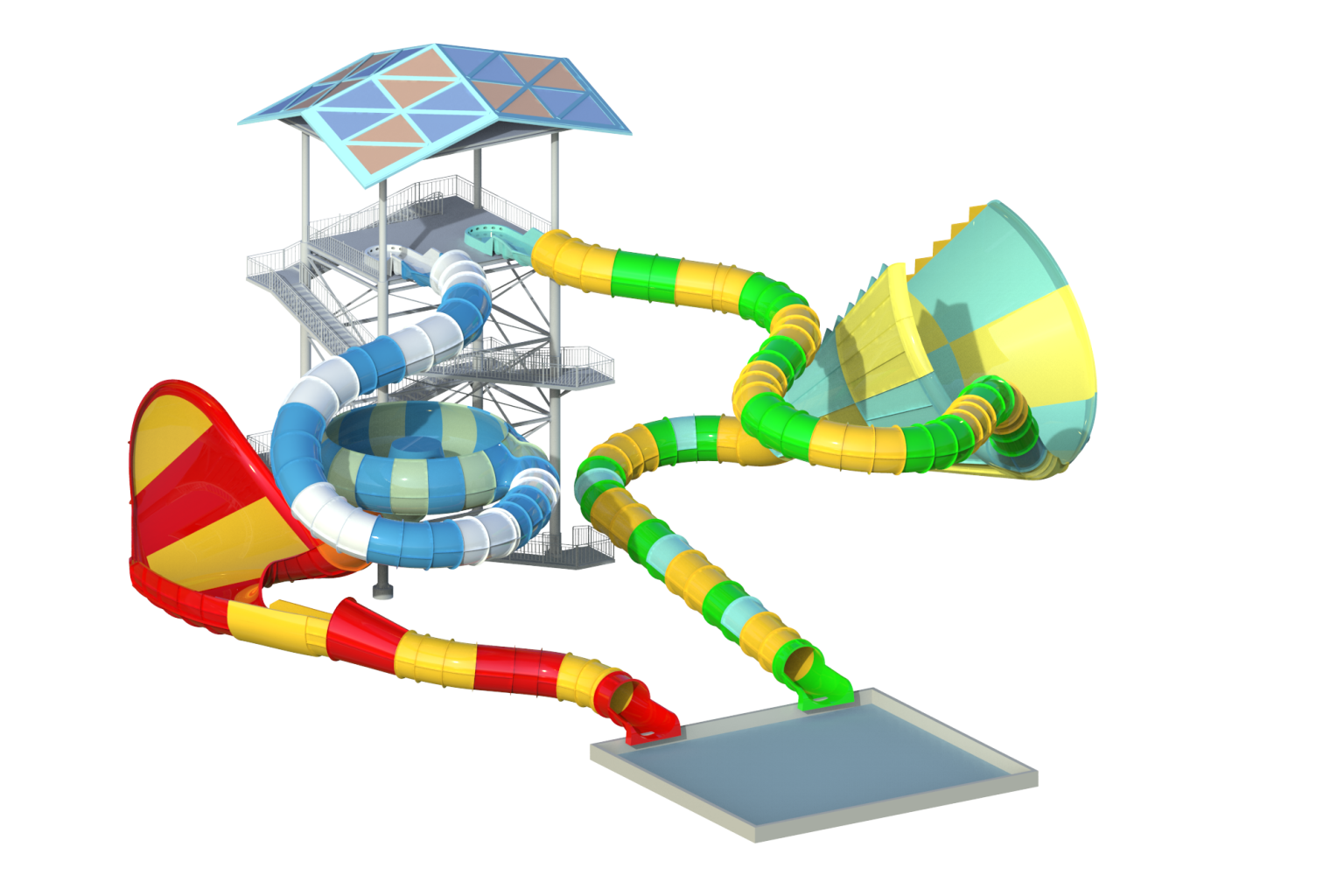
Surface choices matter as much as structure. Dalang insists on certified non-slip surfacing at high-traffic zones and clear fall-height transitions on platforms. They use perimeter guard rails and restraint geometry to limit uncontrolled falls; when a splash weir or splash tower is part of the build, they make sure the drop zones have managed flow and soft-impact materials. The plan lays out where fall arrest or soft landing surfacing will be placed so no one’s surprised mid-season.
3. Operational control: sightlines, staffing, and flow
You don’t fix human error with bells and whistles — you plan for it. Dalang designs lifeguard stations and sightlines so attendants see the entire run and pool entry. They model flow rate at ride exits and tune queue width to match throughput. Staff routines include a pre-opening checklist and hourly scans; these are practical things that cut incidents. They also keep clear paths for emergency evacuation and position shutoff valves where a single tech can reach them fast.
4. Testing, inspection cadence, and documentation
Inspection is a calendar thing, not a hope. Dalang sets specific checks: weekly visual checks of handrails and anchors, monthly operational cycles of two dozen runs under normal load, and an annual structural load test that records deflection, fastener torque, and corrosion depth across sample points. Reports note exact timestamps, test parameters, and corrective actions. This paperwork keeps liability low and maintenance predictable.
5. Guest flow design, signage, and accessibility
People move how they’re guided. The layout uses graded slopes, clear signage, and staged queuing to prevent crush points. Accessibility paths are set with gentler grades and firm surfacing, and evacuation routes are marked to daylight. Wayfinding focuses on plain words and consistent iconography so families can move without help — that reduces confusion and the chance someone wanders into a restricted service area.
Putting the framework to work on real projects
When a build goes right, these pieces fit like a farm kit — simple, tough, and easy to fix. Dalang pairs engineers and on-site crews so design choices foreclose common mistakes like under-specified drainage or blind spots at the top of a slide. Teams writing an operational production teardown will naturally embed {main_keyword} and {variation_keyword} into final specs and handover docs — it makes the deliverable useful. And yes — there’s room for quick fixes on day one, but they’re planned, not slapped on. — That’s what keeps a season steady.
Three golden evaluation metrics for picking the right approach
1) Structural reserve: measure design live load versus measured deflection after a 1.5× load test. Aim for minimal creep after 24 hours. 2) Sightline coverage: percentage of critical zones visible from staffed stations; seek 95%+ coverage during peak flow. 3) Mean time to safe recovery: how long from incident detection to full operational recovery, including documented corrective action. Track these and you’ll see real improvement season to season.
Dalang knows how to turn a plan into a working, safe park — lessons grounded in real sites and practical tests. —