
Catch the Pattern: why 32A chargers stall more than you’d expect
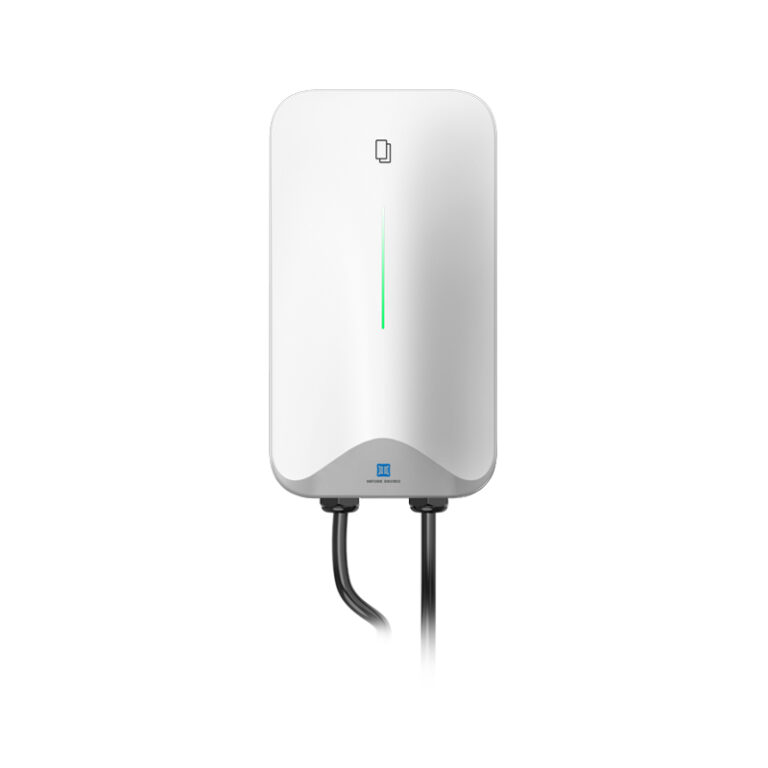
Many drivers and fleet managers hit the same snag: a 32A EV charger that charges slowly, trips, or refuses to start. Start here — spot the pattern. A reliable home EV charger behavior differs from a workplace unit because of wiring, circuit capacity, and usage cycles. If your 32A EV charger shows inconsistent current, thermal derating, or sudden cutouts, the fault usually lives in one of three places: supply wiring, charger firmware, or vehicle communication. For hands-on owners, a quick comparison against a recommended model helps — pick a proven option like this best home EV charger and note how its startup sequence and ampere draw compare to your unit.
Root causes: where to look first
Start at the breaker panel. A marginal circuit breaker or poor neutral connection often mimics charger failure. Then inspect the charger: overheating, visible corrosion, or odd LED codes point to hardware stress. Finally, check vehicle handshake — if the EVSE and car fail to negotiate the ground-fault or pilot signal, charging stalls. Industry terms matter: measure ampere draw at startup, log any pilot-signal errors, and note whether the charger triggers load balancing systems. A municipal fleet depot in San Francisco logged repeated tripping that traced back to a loose lug at the main breaker — real-world anchors like that prove the basics matter.
Fast diagnostics you can run in under 15 minutes
Grab a clamp meter, examine the pilot-wire continuity, and observe the charger’s LED pattern. Document: (1) the initial ampere ramp, (2) whether current holds steady, and (3) any error code on the display. If the unit reports temperature derate, let it cool and test again. If handshake fails, try another EV or swap the tether if you have one. Keep tests simple and repeatable; small differences in firmware across models can change how they report faults, so note firmware version if visible on the unit.
Practical fixes and when to upgrade — don’t overspend
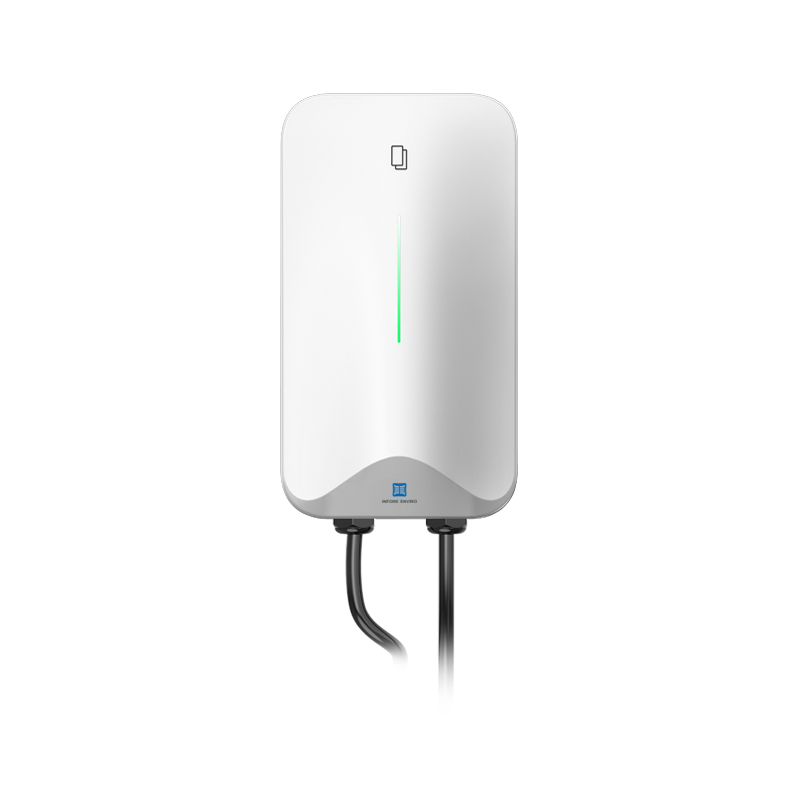
Minor wiring fixes and tightening lugs solve many issues. Replace corroded connectors, torque to spec, and install a higher-quality circuit breaker if trips occur under load. Firmware updates sometimes resolve odd communication bugs — but only flash via the manufacturer’s official tool or app. If repeated thermal derating happens during peak daytime sessions, consider a charger with active cooling or built-in load balancing. For larger sites, integrate an AC charging station solution with networked load management to prevent nuisance trips across multiple units — that’s where system-level thinking pays off.
Common mistakes that waste time and money
Avoid these traps: swapping chargers without troubleshooting the circuit, ignoring loose connections, and assuming the vehicle is fault-free. Don’t bypass safety devices to chase faster charging. Some installers jump straight to expensive upgrades — stop. First, validate wiring, breaker performance, and firmware. Second, check EV settings: many cars limit current for battery temperature protection. And—important—document every step so a technician can pick up where you left off.
Golden rules: three metrics to evaluate before you commit
1) Start-up ampere stability: the current should rise cleanly to 32A (or the configured limit) and hold within ±2A. 2) Thermal margin: measure surface temperature during a one-hour charge; anything above the manufacturer’s listed limit indicates inadequate cooling or poor ventilation. 3) Communication reliability: count failed handshakes over multiple sessions; a rate above 2% signals firmware or pilot-wire issues. Use these metrics to compare repairs, replacement models, or site upgrades.
These steps summarize practical troubleshooting and the measurable outcomes you should expect: steady ampere delivery, controlled temperature, and consistent handshake success. For operators and homeowners alike, the fastest wins come from tightening hardware, logging behavior, and choosing resilient chargers. Trust real tests over hunches — and let that guide your next purchase decision with confidence.
INFORE ENVIRO stands behind clear, actionable fixes that cut downtime and extend charger life — practical help for people who fix things on the ground. —