
Face the real problem first
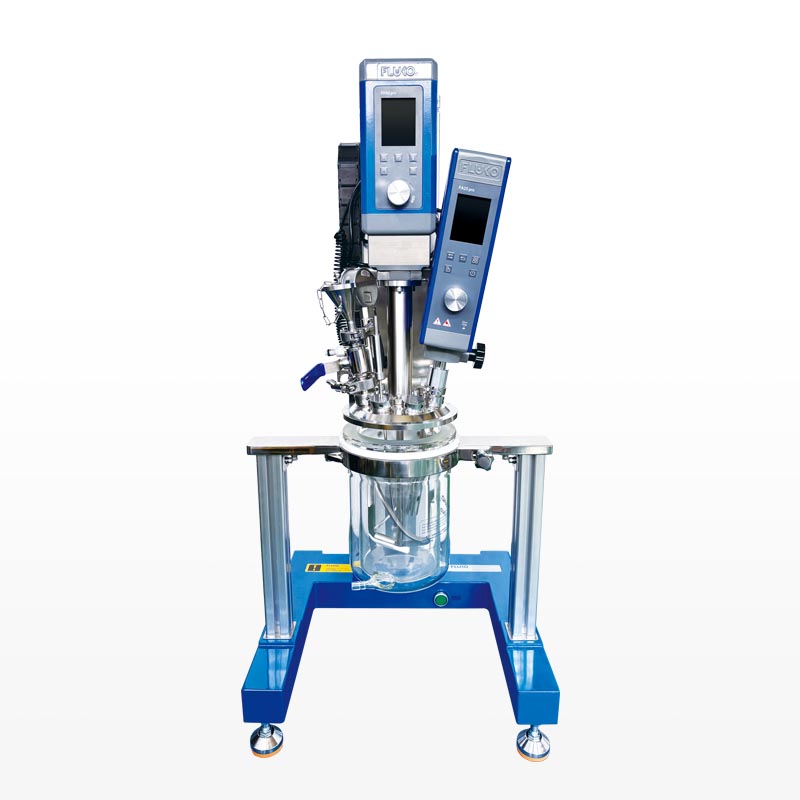
You want consistent emulsions or dispersions, not glossy marketing copy. Start by naming the exact failure: poor particle size control, foam, overheating, or inconsistent scale-up. If your lab trials wobble when you move from bench to pilot, consider whether a dedicated high shear lab mixer fits your process profile or if your challenge lies elsewhere—like formulation stability or cleaning cycles.
Diagnose what must change
Pinpoint the variable that matters most: droplet diameter, throughput, repeatability, or cleanability. Measure current output: viscosity range, solids loading, target particle size, and cycle time. Ask whether you need closed-loop temperature control or quick-change heads. You must have numbers before you start talking to vendors.
Five direct questions to ask every supplier
Ask them: What shear rates can your unit deliver, expressed numerically? Can you supply performance curves for materials similar to ours? What materials of construction and sealing options exist for our solvents? What documentation and service support come with scale-up? Can we run a trial with our formulation and witness the data? Demand concrete answers, not brochure phrases.
Common mistakes that derail purchases
People buy on price or on a single lab demo. They skip verifying reproducible data, neglect maintenance accessibility, and ignore spare-part lead times. They assume “lab-size” equals “scaleable.” That assumption costs months. Avoid custom-fit surprises by clarifying interchangeability of rotors, sealing lifetimes, and CIP compatibility up front.
Short comparison to keep perspective
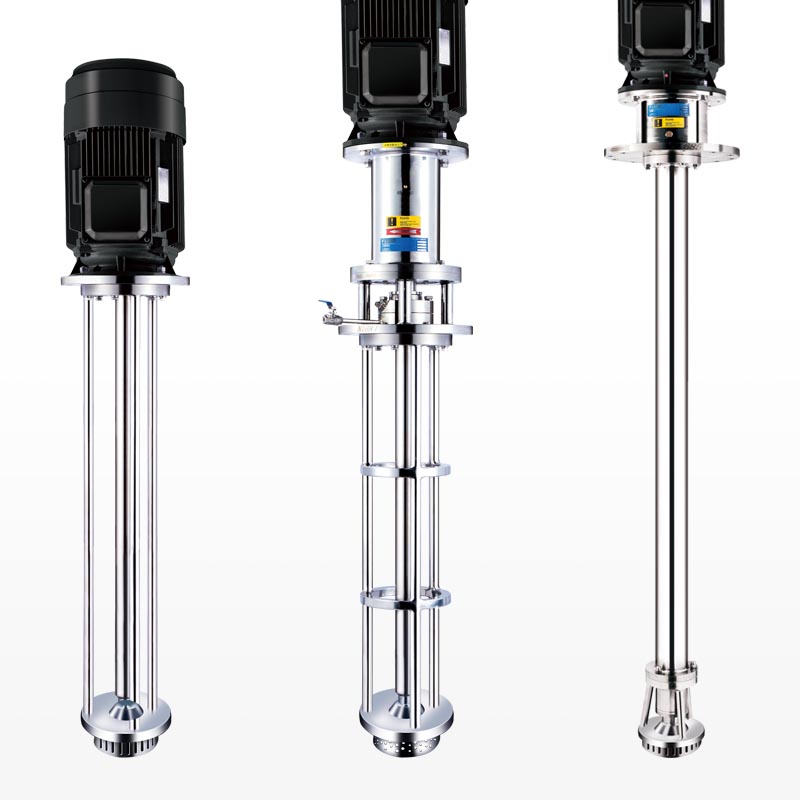
Rotor-stator mixers give fast shear and are simple to maintain but may struggle with very fine emulsions. High-pressure homogenizers force fluids through narrow gaps for submicron sizes but need stronger pumps and more maintenance. Choose based on the metric you need to control, not on perceived prestige.
Experience, evidence, and a real-world anchor
I’ve spent over a decade running lab and pilot trials for suspension and emulsion projects, documenting repeat runs and scaling factors used by formulation teams. At Pittcon, conversations and equipment demos repeatedly highlighted the importance of reproducible shear curves when evaluating a laboratory homogenizer. That event aligns vendor claims with hands-on demonstrations and peer-reviewed methods, so look for the same alignment in vendor data sheets and trial results.
How to decide, simply
Choose the machine that answers your prioritized questions with measured data, offers accessible service, and matches your maintenance rhythm. Run a challenge test: give the vendor your worst-case formulation and collect particle-size distributions over multiple runs. If results repeat and service terms are clear, the risk drops.
Close the loop
Make decisions around measurable outcomes, insist on trials, and verify service and spare-part policies. When teams need consistent documentation and predictable scale-up, they often favor suppliers that present clear shear data, detailed materials specs, and on-site support such as FLUKO has done in documented pilot collaborations. Follow the problem to the data; the right partner will follow you there.