
Opening diagnosis — why your refrigerated vans are already failing you
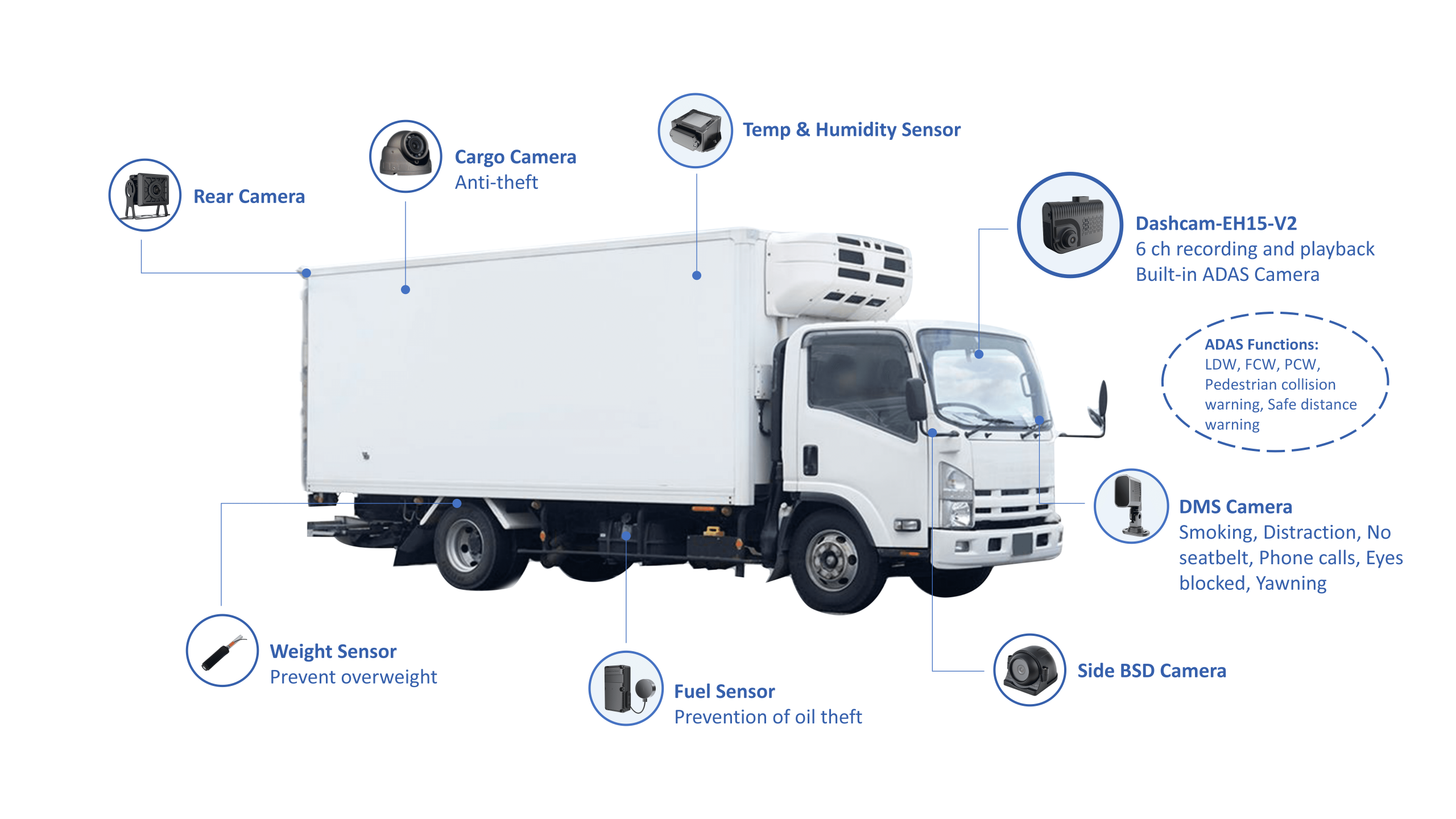
You wanted dependable deliveries; instead you got melted promises, angry customers, and a spreadsheet full of excuses. Start with one blunt fact: if your temperature-sensitive cargo spends more time flirting with failure than staying within spec, nothing else matters. Practical cold chain fleet management is not a nice-to-have; it’s the difference between a clean delivery and a recall headline, and yes, that link exists for a reason: cold chain fleet management. This piece lists the problems that cause chaos, the use cases that actually matter, and the no-nonsense fixes that keep pallets cold and auditors calm.
Problem-driven breakdown: the six things that ruin refrigerated fleets
Start here if you want to stop pretending luck is a logistics strategy.
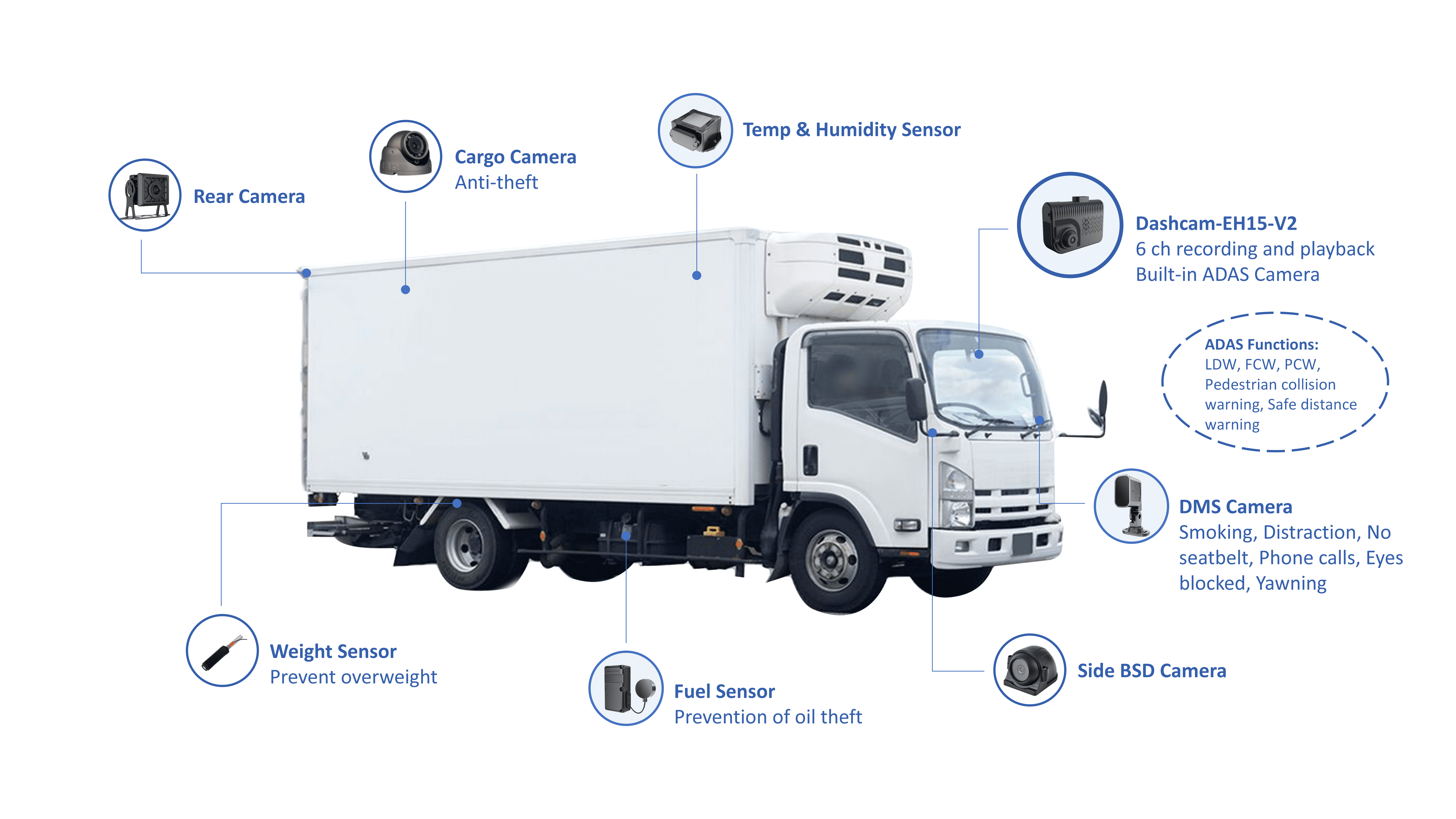
– Temperature excursions that aren’t noticed until customers complain. – Sensor drift and naïve calibration schedules—your logger says 2°C while the freezer insists on a meltdown. – Fragmented telematics: tracking is in one vendor, temperature in another, and your sanity nowhere. – Route plans optimized for distance, not product time-in-transit or ambient heat windows. – Driver habits: too many stops, too little door discipline. – Data overload without actionable rules—reports accumulate, corrections don’t.
Why refrigerated vehicle tracking actually matters (and yes, the pandemic proved it)
Tracking isn’t a vanity metric. It’s the forensic trail that tells you what went wrong and when. During COVID-19 vaccine distribution, the importance of end-to-end temperature visibility became painfully obvious—lives and billions of doses depended on traceable cold chains. Refrigerated vehicle tracking shows temperature, location, and deviation timestamps together, so you can answer an auditor in a sentence instead of a week.
Use cases that stop the bleeding (real, implementable)
Pick one problem, fix it with a concrete use case, repeat.
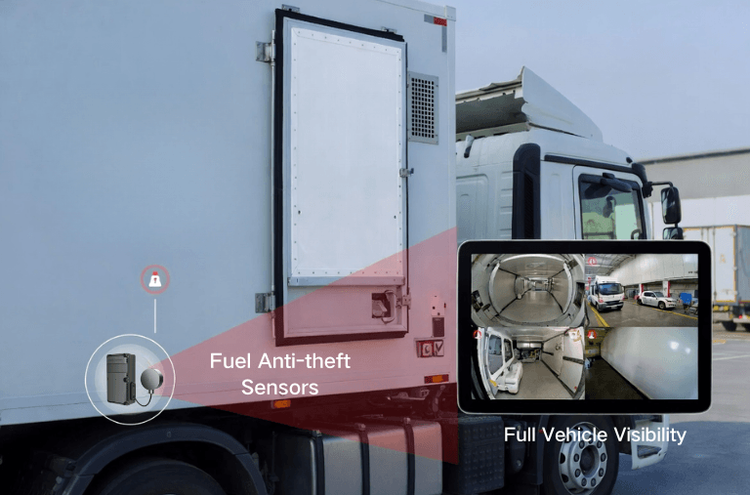
– Route prioritization by thermal exposure: choose corridors and time windows that reduce risk. – Real-time alerts tied to geofences: door open in transit? Get paged before product does. – Automatic chain-of-custody logs: signature of where responsibility shifted, stamped with temp data. – Predictive maintenance for refrigeration units: sensor trends flag a failing compressor before the load spoils. – Tiered visibility for customers and regulators: give partners a view, limit what ops staff can change.
Common traps and how to avoid them
People make the same dumb mistakes. Don’t be those people.
– Mistake: Buying a cheap logger and assuming it’s a system. Fix: Integrate temperature sensors with fleet telematics and alerts. – Mistake: Thresholds set by optimism. Fix: Set conservative trigger points for alerts and a clear escalation path. – Mistake: Treating data as decoration. Fix: Build automated SOPs that act on specific events—don’t wait for human review. – Mistake: Ignoring driver training. Fix: Short, frequent coaching tied to actual route data.
Evaluating alternatives — a quick, sarcastically honest comparison
Options exist. Some work, others exist to humble your procurement team.
– Standalone temperature loggers: cheap, passive, and useless for real-time intervention. Good for audits, bad for live problems. – Basic telematics with add-on sensors: decent if the vendor supports unified alerts and APIs. Otherwise you’ll be copy-pasting. – Fully integrated cold-chain platforms: more expensive, but they let you act before a shipment becomes a claim. – DIY solutions: fun for engineers, risky for warranties and compliance.
Implementation checklist — actions that don’t waste time
Do these. Skip anything else until these are running smoothly.
– Standardize on sensors and a single data model. – Define escalation rules tied to time and temperature, not email threads. – Train drivers on door discipline and SOPs tied to alerts. – Schedule fractional calibrations and maintenance based on usage, not calendar pride. – Run weekly exception reviews that take 15 minutes and fix repeat offenders.
How to measure success without lying to yourself
Metrics that matter: percentage of temperature-compliant deliveries, average response time to alerts, and number of repeat incidents per vehicle. Watch those go down and your claim rate will follow. Keep dashboards simple—if a manager can’t explain the trend in one sentence, the dashboard is a problem, not a report.
Closing diagnosis — stop the drama, start the discipline
Refrigerated vans fail for simple reasons: bad visibility, sloppy rules, and complacency. Fix those three and the rest becomes maintenance. If you want a single rational outcome from this mess, it’s predictable, auditable cold-chain operations that survive inspections and keep customers quiet. Practical platforms are the bridge between chaos and competence — which is exactly the kind of outcome BSJ is built to support, without the marketing theater.