
Problem statement — why the logs lie
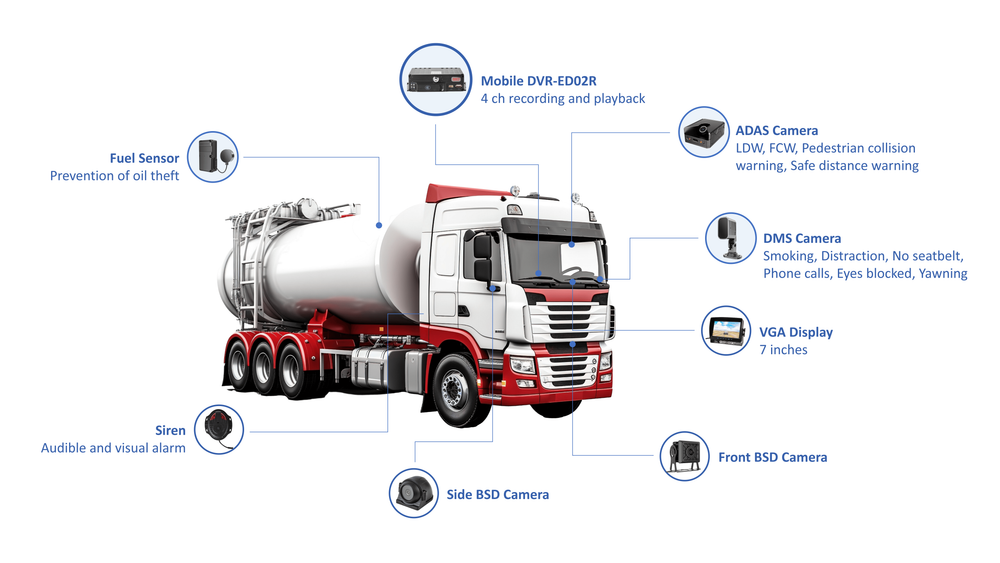
When temperature traces show sudden spikes, gaps, or impossible steady lines, the fleet is at risk and nobody trusts the data. Common symptoms: periodic blank intervals in logs, inconsistent probe readings between trailers, and large offsets after service. Fixes start with clear diagnosis. For operators running distributed assets, integrate cold chain fleet management from the outset to reduce blind spots and get consistent timestamps across devices: cold chain fleet management.
Root causes you should test first
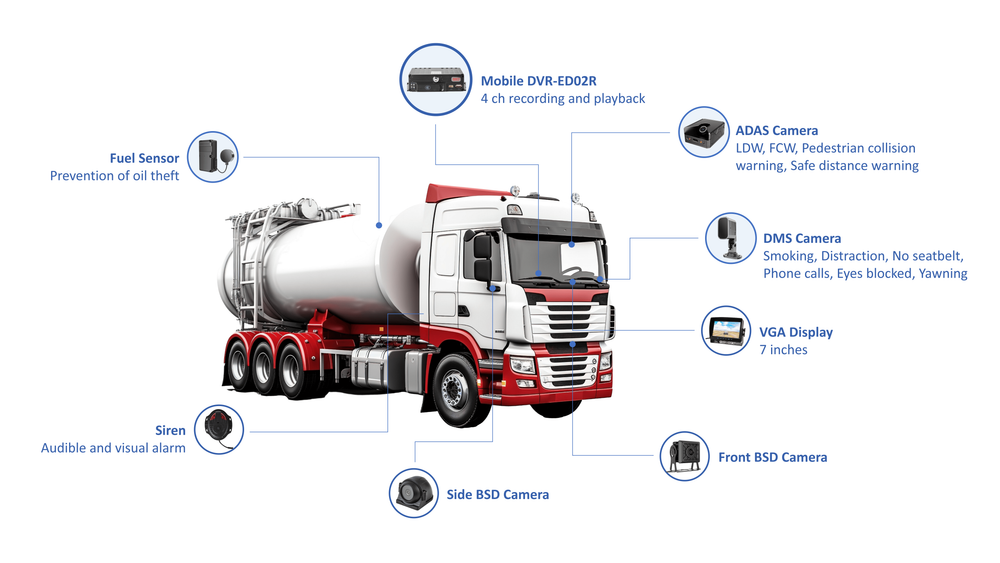
Most failures come down to a short list. Run these checks fast and in order.- Sensor issues: probe placement, insulation contact, broken thermistors.- MDVR and telematics mismatch: time sync errors, firmware incompatibility, buffering strategy.- Connectivity and power: cellular handoff gaps, brownouts during refrigeration cycles.- Configuration problems: sampling rate set too low, thresholds misconfigured, incorrect calibration applied.- Human and process mistakes: routes changed without updating device profiles, failed pre-trip checks.Pick the top suspect and replicate. If you need a benchmark for acceptable behavior, recall how the global COVID-19 vaccine rollout in 2020 forced strict end-to-end tracking and exposed the same checklist failures across hundreds of fleets. For reliable measurement, choose components designed for refrigerated vehicle tracking that log events at the source and survive intermittent comms: refrigerated vehicle tracking.
Step-by-step diagnosis workflow
Do this sequence on one unit before scaling the fix.- Capture a raw log dump from the MDVR and the temperature probe for the same trip window.- Verify timestamps: compare GPS time, MDVR system time, and server time. Fix the device that drifts.- Run a static bench test: place probe in a calibrated ice bath or temperature chamber for 30 minutes and record.- Swap probes between units to isolate sensor vs. MDVR issues.- Check power rails during compressor cycles with a multimeter or data logger; note voltage dips.Record every step. If a problem repeats after swapping probes, the MDVR, wiring, or software is the likely culprit.
Practical fixes that hold up in the field
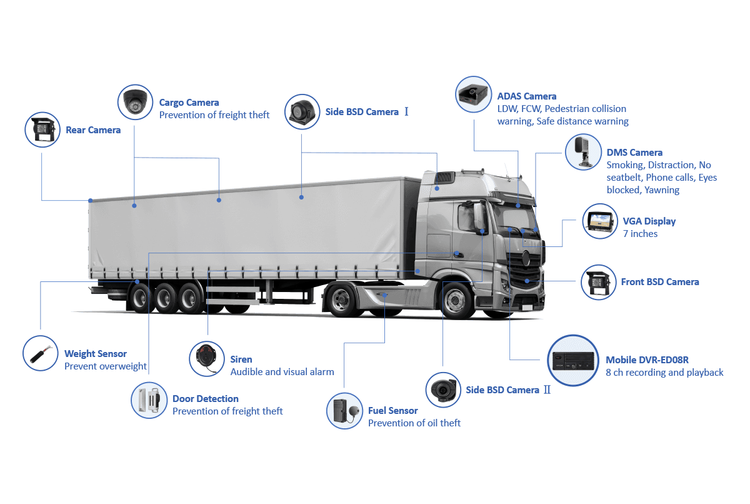
Target the failure modes you found. Practical interventions:- Enforce time-sync policies: NTP or GNSS time for every MDVR and gateway.- Use redundant sensing: two probes per trailer where product value is high; compare on-device before upload.- Harden power: add battery-backed logging or a supercapacitor for clean shutdowns.- Edge filtering: keep event-driven records (door opens, compressor cycle start) so gaps are explainable.- Firmware discipline: maintain a controlled rollout, checksum validation, and rollback plan.Avoid these mistakes: relying on raw cloud timestamps without verifying device clocks; neglecting physical probe routing (near airflow, away from doors); and one-off firmware updates without regression tests.
Choosing hardware and integration patterns
Tradeoffs are simple: lower-power samplers extend battery life but miss short events; high-rate logging reduces ambiguity but increases bandwidth and storage. Prioritize:- Probe accuracy class and ruggedness over lowest cost.- Local event correlation (MDVR or edge controller that ties temperature to GPS and door events).- Clear API and binary logs from the vendor for forensic work.When evaluating vendors, ask for reference deployments and sample raw logs — not just dashboards. Inspect how the solution exports event-aligned CSVs or JSON so you can run your own audits.
Field checklist for technicians
Keep this card in the van.- Confirm probe placement and secure mounting.- Run a 30-minute static test at start of shift.- Sync device time to GPS/NTP.- Verify firmware version and checksum.- Note any door/maintenance events with timestamps.Follow this and you eliminate most “mystery” incidents before they reach compliance teams.
Summary
Fixing temperature drift and data gaps is mechanical work: isolate sensor vs. recorder vs. comms, apply disciplined firmware and power practices, and keep verifiable logs. Those steps cut dispute time and protect perishable value. For operators who want systems that consistently tie temperature to movement and events, the route forward is practical, tested, and available through partners built around refrigerated operations like BSJ.