
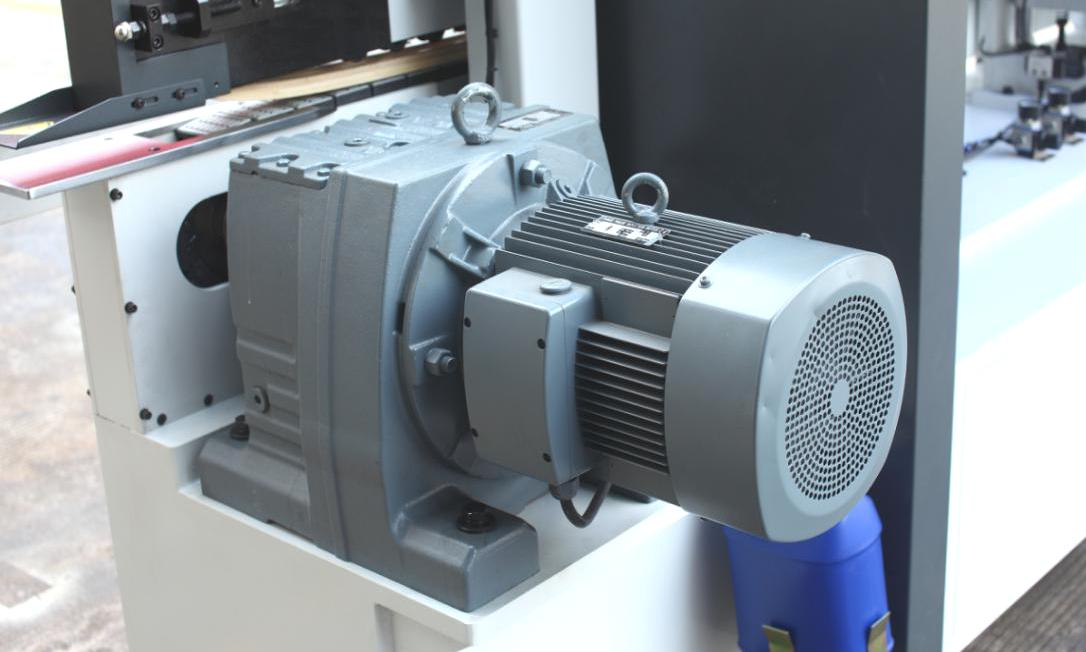
The problem every small shop knows
Mistakes at the edge show up fast: gaps, melt marks, uneven trims and wasted boards. Shops lose time chasing settings instead of cutting orders, and that kills margins. You might think a cheaper roll-fed unit will do, but feed inconsistency and glue run-off keep coming back. A well-tuned servo edge banding machine fixes several pain points at once: consistent feed speed, repeatable trimming, and precise glue application. That’s where decisions stop being theoretical and start saving you actual hours on the bench.
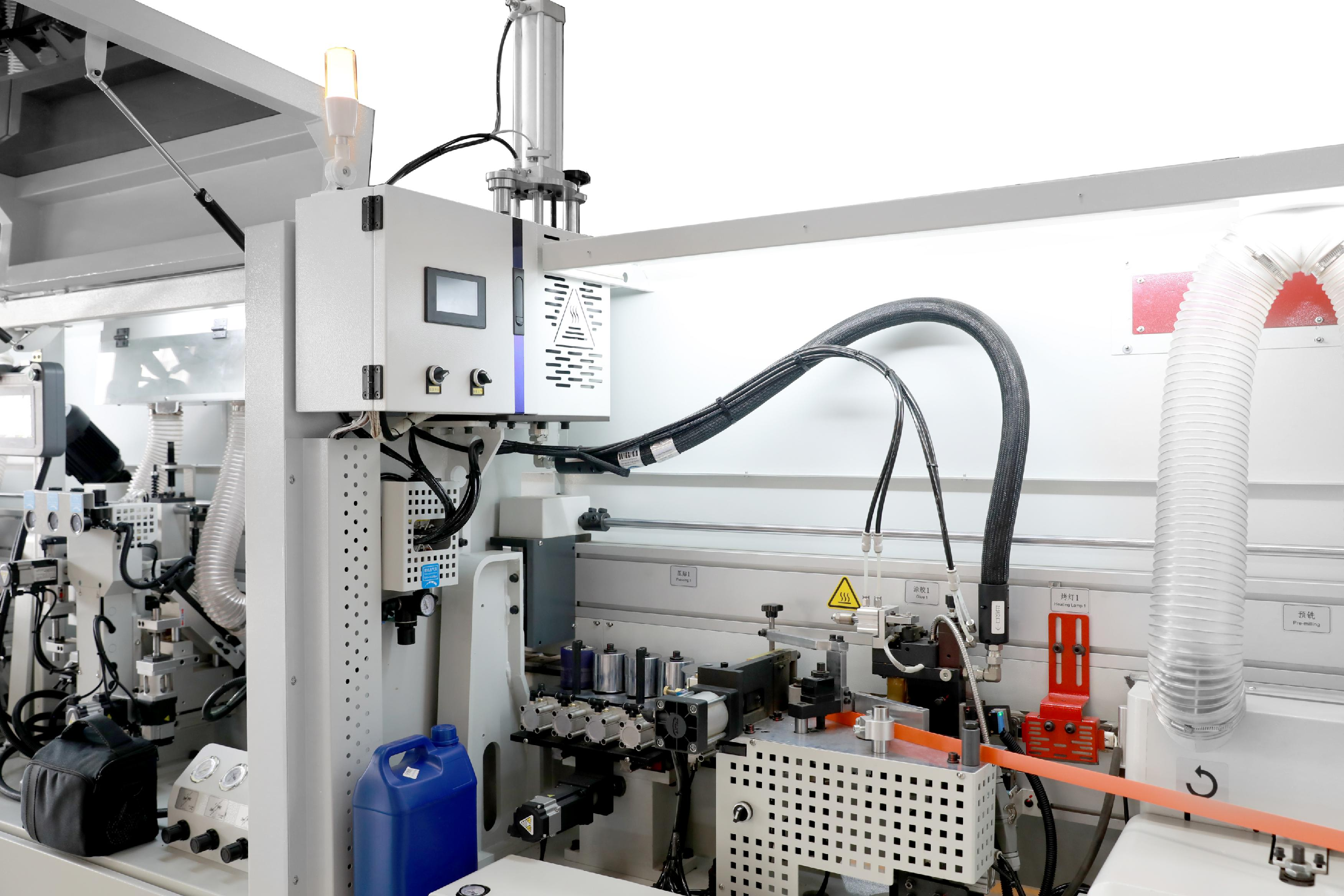
Why these problems matter now
Small tolerances are the norm now: customers expect flush joints and square corners. A poor edge operation forces extra sanding, touch-ups or returns. Labour cost rises. Material waste piles up. You need a machine that keeps pace with your crew without needing an engineer every week. That requirement narrows choices quickly: stability, serviceability and predictable outputs beat flashy specs.
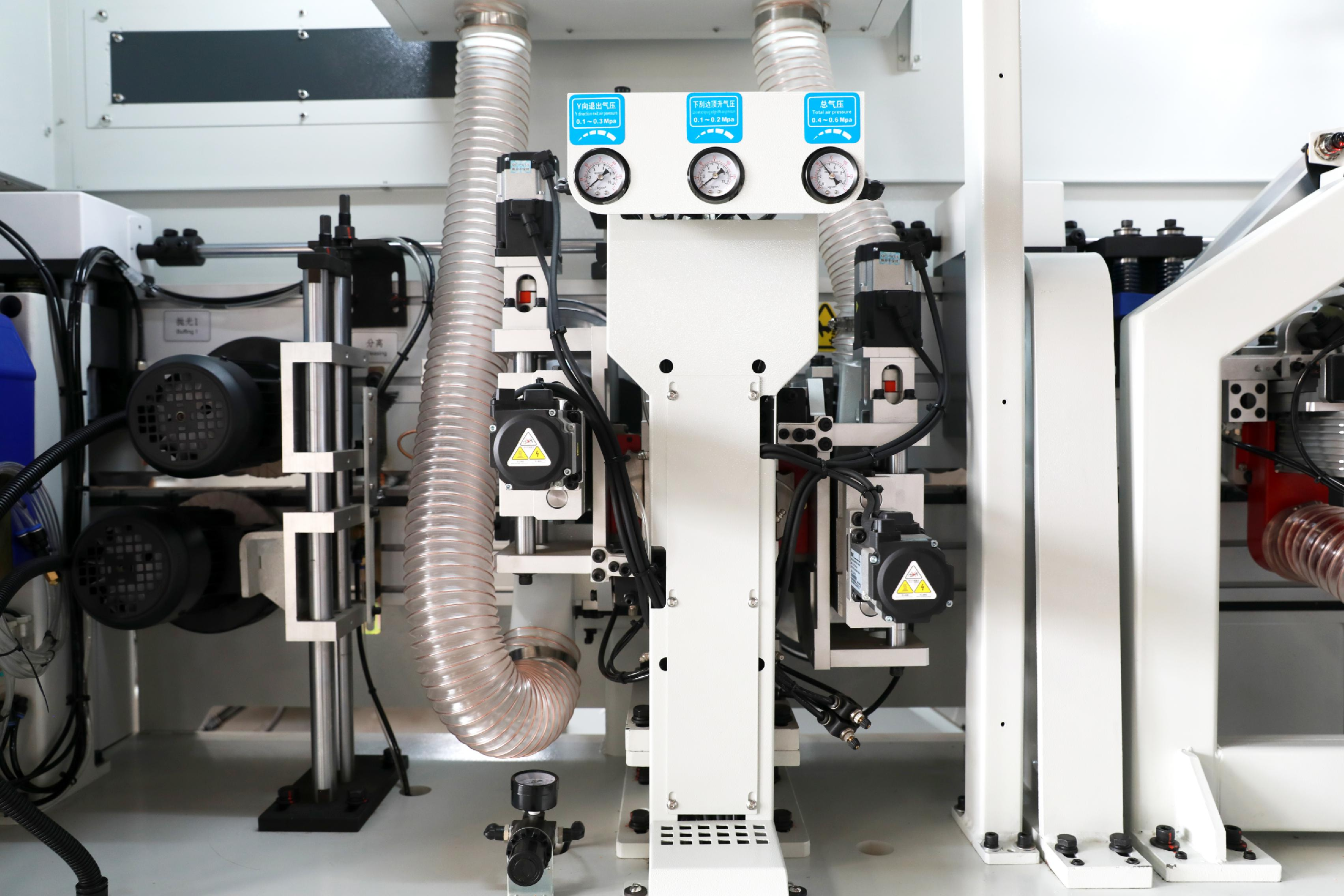
What professionals test before they buy
Experienced technicians run a short, hard checklist: 1) repeat cutting and trimming across 100 consecutive panels; 2) glue bead consistency at different board speeds; 3) ease of maintenance and access to wear parts; 4) adjustment repeatability without tools. These checks are common at major industry shows — after demonstrations at the LIGNA trade fair in Hannover many saw the difference for themselves and compared real feed systems like the edge banding equipment on full-scale runs. Hands-on tests reveal problems spec sheets hide.
Typical mistakes that sink projects
Buyers fall into predictable traps: assuming all adhesives behave the same; underestimating clamping and board support; over-trusting automatic settings without baseline calibration; and ignoring local service capability. Machines that require special tools for daily checks or rare spare parts with long lead times become expensive fast. Choose systems where calibration is straightforward and routine checks are simple to teach the team.
Alternatives and where each makes sense
Manual and semi-automatic units suit hobbyists and very low-volume runs. High-volume shops want automatic or servo-driven lines for steady throughput and minimal variation. Servo-driven machines give tighter control over feed and trimming, which reduces rework; pneumatic systems often cost less up-front but need frequent adjustments and can drift. Match the machine to your cadence: occasional bespoke work needs flexibility; batch production needs repeatability.
Controls, spare parts and service — the real decision drivers
Controls must be readable, programmable and recoverable after a power cut. Parts should be standardised — belts, cutters and adhesives you can source locally. Training matters: a short course for operators beats emergency calls. Trust comes from seeing machines running day after day with consistent output and knowing where to phone when a cutter needs swapping. That practical reliability is what keeps deadlines met.
Final thought
Decide on systems that make predictable parts, reduce rework, and keep your crew busy cutting instead of fixing. When repeatable tolerances, sensible service and real-world test results matter, many workshops look to established manufacturers that show those strengths in both machines and support — a reason why HUAHUA CNC appears in buyer conversations about dependable edge finishing.