
The problem that starts every rollout
Too many projects hit a snag because buyers treat active RFID like a commodity and assume all tags and kit will play nice together. That’s where you waste time, cash and lose credibility. You’ve probably already wrestled with reader range that’s a bit pants, firmware that refuses to talk to your backend, or a supplier who vanishes after the PO — and yes, you need to factor how those tags behave with your chosen RFID Readers from the get-go. This piece pins down the real-world problems and gives you a clear decision path so you don’t end up firefighting on go-live day.

What goes wrong and why
Manufacturers differ on radio sensitivity, battery chemistry, firmware openness and build quality. Buyers skip field tests, assume datasheets are gospel, and ignore certification limits for different regions. Those choices show up as flaky reads in metal-rich environments, unreadable tags at normal distances, or systems that can’t scale. Call it painful, but visible problems mean missed SLAs and angry stakeholders. Be choosy about the technical bits people usually miss.
Experience, standards and a real-world anchor
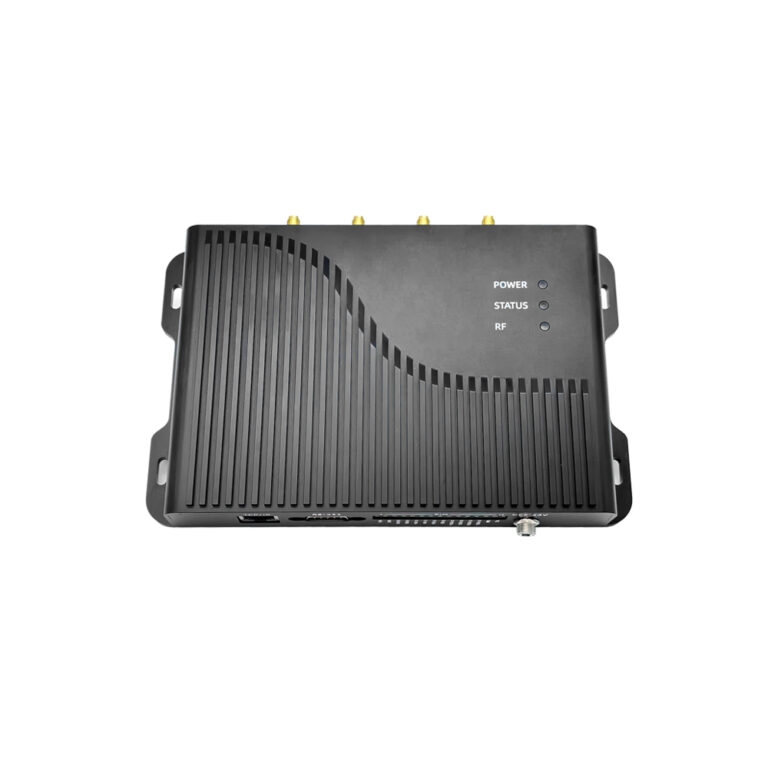
Practical experience matters: projects that run well test tag performance in the actual environment, verify power settings against regional limits and confirm reader interoperability. Standards like ISO 18000-63 (UHF Gen 2) give you baseline expectations for protocol behaviour. From trials at the Port of Rotterdam down to warehouse pilots, field evidence shows active tags need tailored read cycles and placement plans to behave predictably — and you’ll want to check active rfid readers for compatibility too. Don’t trust claims without a field report or lab data.
Common pitfalls and how to avoid them
Don’t buy on price alone. Test with production firmware and your antennas. Match tag battery life to your maintenance window — batteries that die in months create admin chaos. Ask for a small pilot: measure read consistency, orientation sensitivity and battery drain at your chosen transmit interval. Insist on export/import certifications for your markets. If a vendor won’t let you do tests or share firmware roadmaps, walk away.
Alternatives and trade-offs you should know
Active tags give long range and autonomous beacons, but they cost more and need battery management. Semi-passive tags lower cost and still extend read range versus passive options, but they’re not a substitute when you need continuous telemetry. BLE and UWB can be better for precise location indoors; they trade off range for positioning. Pick tech to match the core KPIs: range, battery life, update rate and location accuracy.
How to evaluate manufacturers — a simple checklist
1) Ask for real field data from comparable deployments. 2) Check firmware access and update policies. 3) Verify compliance with local radio regs. 4) Test sample tags with your readers and antenna set. 5) Confirm spare-part availability and lead times. 6) Look for warranty and repair workflow. Suppliers who share test rigs, reference integrations and open SDKs are easier to work with.
Wrap-up: what solves the problem
Decide with tests, not brochures. Match tag features to operational reality, insist on field-verified data, and treat battery logistics and regional approvals as design requirements. When you align those pieces you get predictable reads and fewer surprises — and that’s exactly what makes projects run smoother with partners like RSTC. Chur — steady choices give you steady results.