
Start with the test you must pass
You care about reproducible layers, not marketing lines. Begin by describing the test purpose, repeat frequency, and tolerance for variance: are you running quick QC runs, formal comparative studies, or high-volume R&D trials? If your lab runs dozens of samples a day, an automatic film applicator will likely repay its footprint in saved time and fewer human errors. Lay out desired film thicknesses, substrate types, and whether coatings are solvent-borne, waterborne, or high-solid — these constraints shape the hardware you should consider.
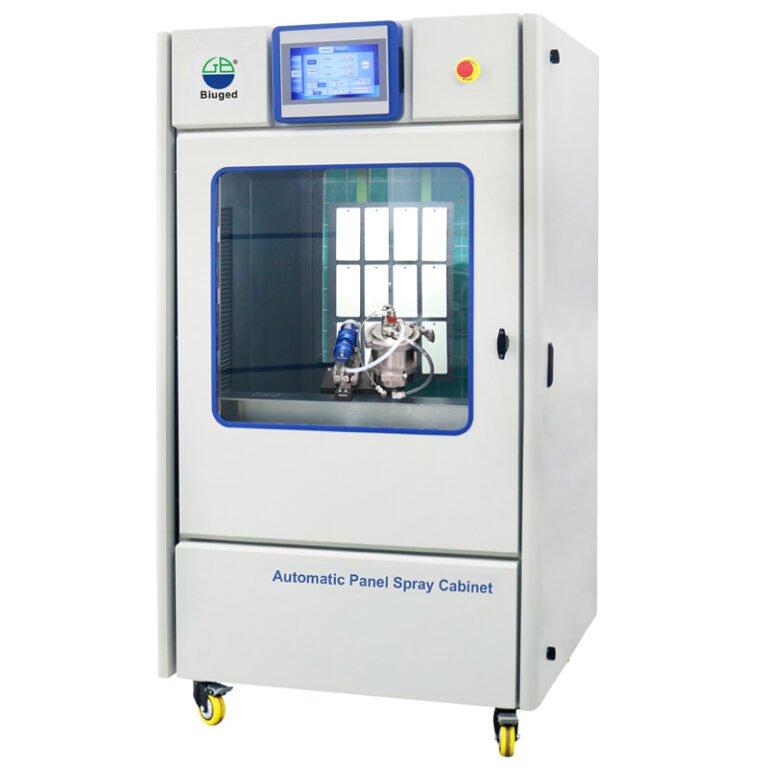
Which technical specs change results most
Focus on three concrete variables: gap/knife geometry, substrate handling, and deposition consistency. Blade design determines the wet film profile; a calibrated doctor blade gives predictable taper and edge behavior, while slot-die or bar systems produce different edge effects. Substrate flatness and rigidity change the effective thickness, so clamps and vacuum tables matter. Finally, repeatability is the metric that separates a useful tool from a decorative one: check the manufacturer’s stated repeatability in micrometers and ask for demonstration runs with your materials.
Choose by workflow, not by brand aura
Match the machine to how you work. If you need to switch between glass, flexible films, and metal, pick a system with quick-change fixtures and a well-documented clamping spec. For single-thickness, low-volume labs a simple bar applicator can be fine; for multi-thickness or automated sampling, look for programmable speeds and material recipes. Consider ergonomics: a heavy manual bar used all day leads to inconsistent pressure. Look for accessible maintenance points and clear calibration checks so a technician can verify performance in under an hour.
Common mistakes that undermine lab confidence
Buyers often underestimate sample mounting, solvent retention, and cleaning procedures. Leaving swarf or old film on rails shifts results subtly but significantly. Not controlling ambient humidity and temperature skews drying dynamics and apparent film thickness. Relying on a manufacturer’s single demo without a side-by-side run using your own formulations is risky. Require a short acceptance run with your materials before final sign-off to avoid surprises.
Manual versus automatic: a brief, practical comparison
Manual applicators are inexpensive and good for occasional checks, but they introduce operator-dependent variance and fatigue errors. Automatic units cost more upfront but deliver consistent speed profiles, precise gap control, and programmable repeatability; they also streamline data collection when integrated with lab management systems. Side-by-side, automatic systems reduce standard deviation across repeated samples and free skilled staff for interpretation rather than repetition. If budget constrains you, prioritize an automatic unit when your throughput or regulatory requirements demand strict reproducibility.
Experience and evidence that matter
Decisions should rest on verified demonstrations, documented calibration routines, and industry-standard references. Look for manufacturers who publish repeatability data and offer traceable calibration against recognized methods like those cited by ASTM and ISO test suites. At major gatherings such as PaintExpo in Germany, suppliers and labs routinely present comparative data on film application accuracy; those presentations give you concrete benchmarks. When you evaluate vendors, ask for reproducibility reports using your substrates and demand a short-run trial with a certified paint film applicator so you can see real numbers before you commit.
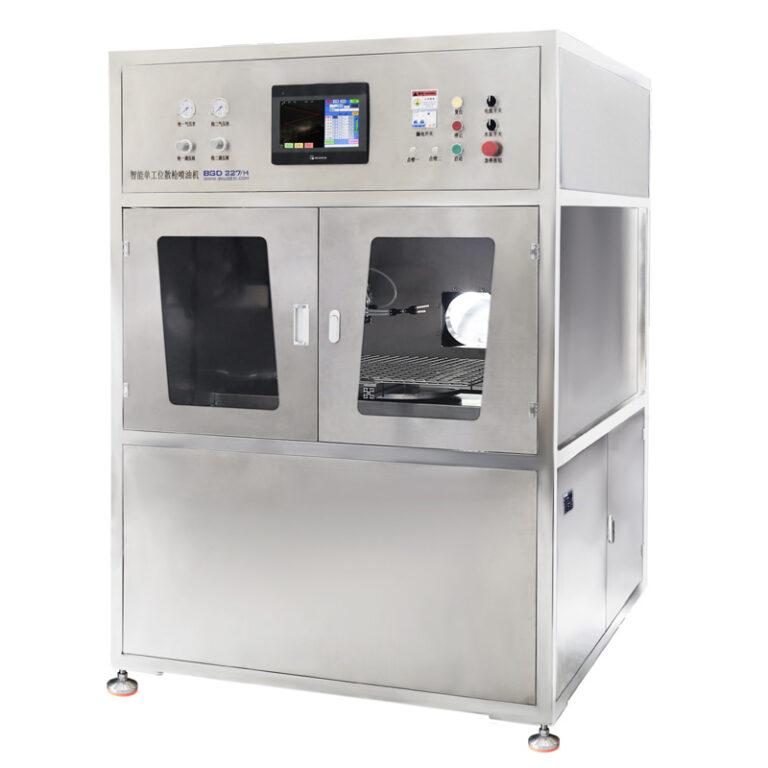
Final fit: picking the solution that stays useful
Your ideal choice balances the test requirements you described, clear technical specs, and straightforward maintenance. Aim for a machine that documents its performance against standards, lets you reproduce settings, and can be supported locally. The right partner will help you set up acceptance runs, train staff to avoid the typical mistakes above, and provide transparent calibration procedures — the kind of practical support you get from specialized suppliers like BIUGED who understand how a small change in blade geometry or substrate clamping turns into meaningful differences in your test results.