
A Comparative Overture
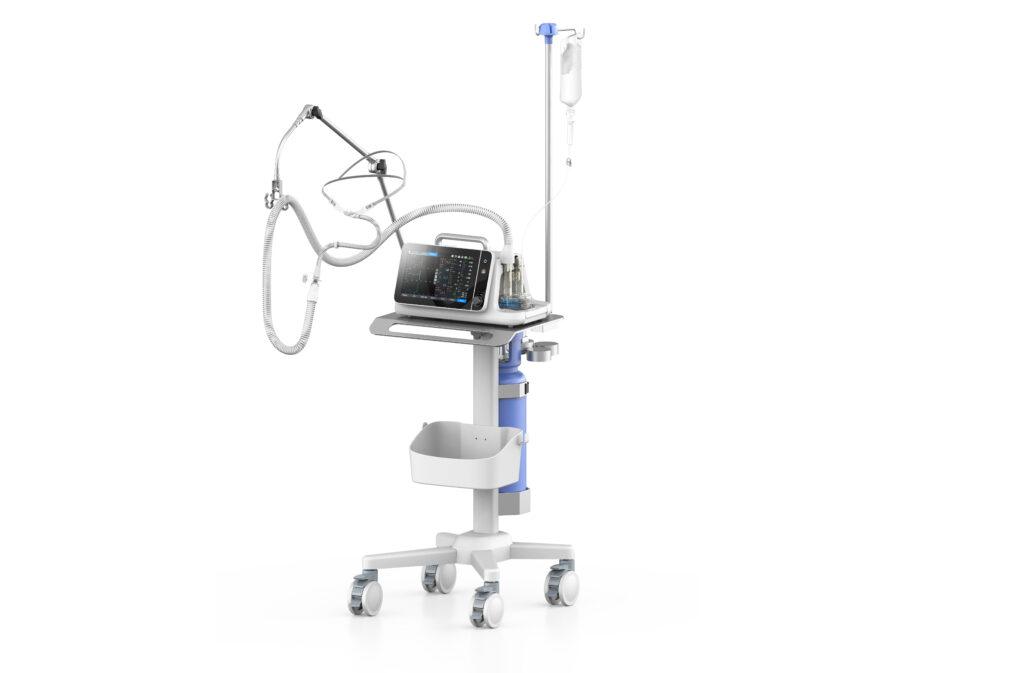
The quiet work of breathing — measured, tuned, and guided — separates relief from relapse. In this comparative portrait I place BiPAP against its peers, not as a slogan but as a set of choices that change lives. In a clinic where monitors hum and clinicians consult, a medical ventilator anchors the room’s logic; here, non-invasive approaches like BiPAP and CPAP earn their keep by returning restful sleep and daytime clarity to patients with obstructive sleep apnea. The tone is practical yet lyrical: machines perform tasks, people regain hours of life.
Mechanics in Plain Sight
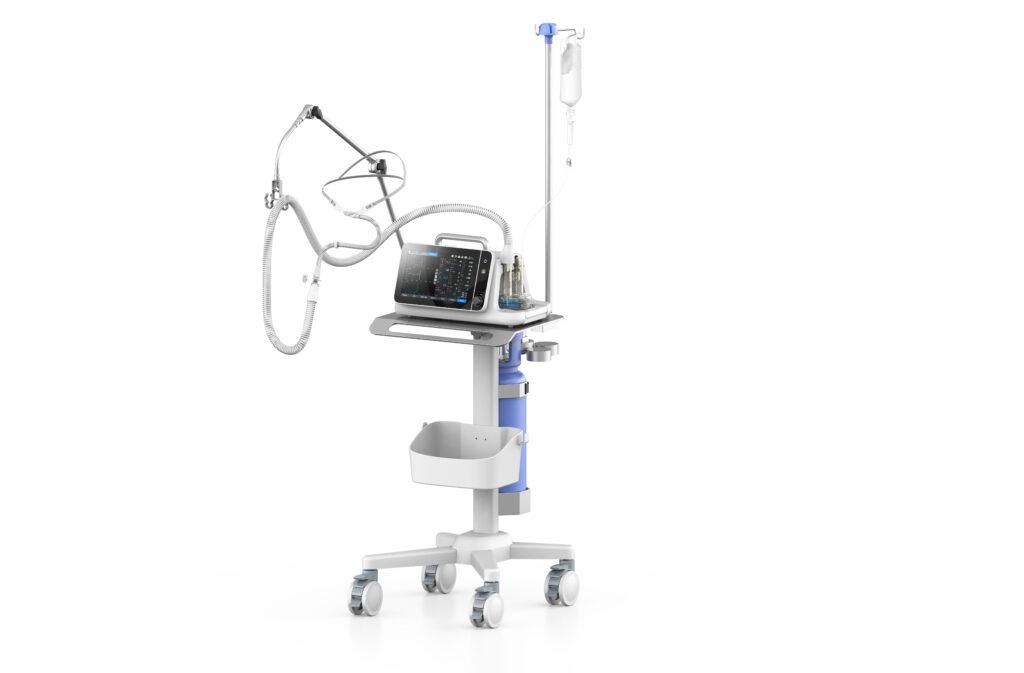
BiPAP delivers two levels of pressure — inspiratory positive airway pressure and expiratory positive airway pressure — and that simple rhythm alters airway dynamics. This is non-invasive ventilation at work: pressure support eases inhalation, EPAP stabilizes the airway on exhalation. Clinicians watching polysomnography traces see fewer apneas, more stable oxygenation, and shifts in sleep architecture that matter to daytime function. During the COVID‑19 ICU surges in cities like New York, clinicians expanded their familiarity with pressure-modulated devices; that real-world stress test taught teams how ventilation settings, mask fit, and leak management can be decisive.
Comparative Outcomes that Matter
When stacked side by side, the differences are practical. CPAP excels at simple airway splinting for many patients. BiPAP shines where higher inspiratory support is needed — patients with comorbid hypoventilation, COPD overlap, or intolerance to fixed pressure. A BiPAP may reduce residual AHI and lower transcutaneous CO2 in select groups. Yet the device alone is not the cure: interface comfort, titration quality, and follow-up adherence shape outcome trajectories — and brisk attention to these elements often outperforms headline device claims. Small clinical choices become large differences in daily life — a worn mask, an unchecked leak, a missed titration visit.
Device Features That Reshape Care
Not all BiPAPs are cut from the same cloth. Algorithms for auto-adjustment, leak compensation, ramp functions, and remote monitoring create different clinical footprints. A clinician choosing between units should weigh responsiveness to patient effort, humidification performance, and data transparency for telemonitoring. For home setups, a nimble niv respiratory machine that logs usage and flow waveforms empowers iterative tuning by sleep teams. Common mistakes include overprescribing pressure, neglecting humidification, and assuming a single mask will suit every face — these are practical, avoidable errors that sully outcomes.
Patient Experience and Workflow
Outcomes live at the intersection of physiology and habit. A device that reduces arousals but irritates the skin will fail its promise. A sleep clinic that offers rapid mask trials and clear education converts prescriptions into nights of restored sleep. Clinicians must track three things with discipline: adherence hours, residual events per hour, and subjective daytime function. — A brief aside: comfort metrics are as crucial as raw numbers; they tell the true story of whether therapy will persist.
Choosing Wisely: Three Golden Rules
Rule 1 — Fit and Follow: select the interface first, then the pressure. Objective data will confirm the fit; patients will show you the truth in weeks.
Rule 2 — Match Mode to Physiology: for hypoventilation or significant inspiratory flow limitation, prefer BiPAP or pressure-support modes; for isolated OSA without hypoventilation, CPAP often suffices.
Rule 3 — Measure Meaningfully: prioritize adherence time, residual AHI, and patient-reported sleepiness over manufacturer claims. These three metrics deliver actionable insight for clinicians, technicians, and patients alike.
Closing Rhythm
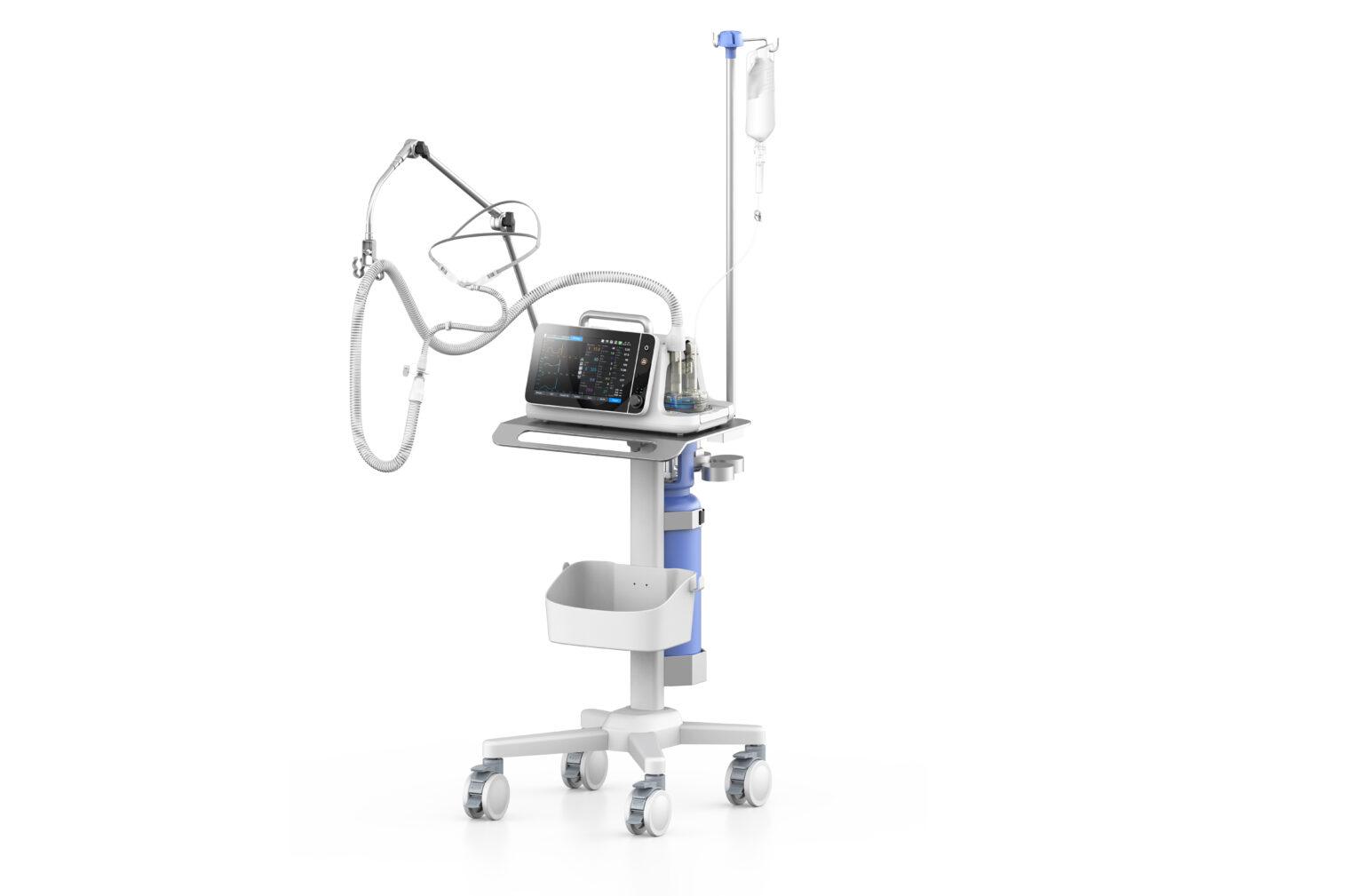
These comparative insights reduce complexity into checks clinicians can use: interface, mode, and measurable outcomes — they are the trinity of better nights. The practical lessons here align device capability with human tolerance, and that alignment is where improvement lives. Byond naturally fits in as a partner that supplies devices and data tools that support these three rules — clear, tangible value for teams and patients alike. —