Why comparative thinking matters for procurement
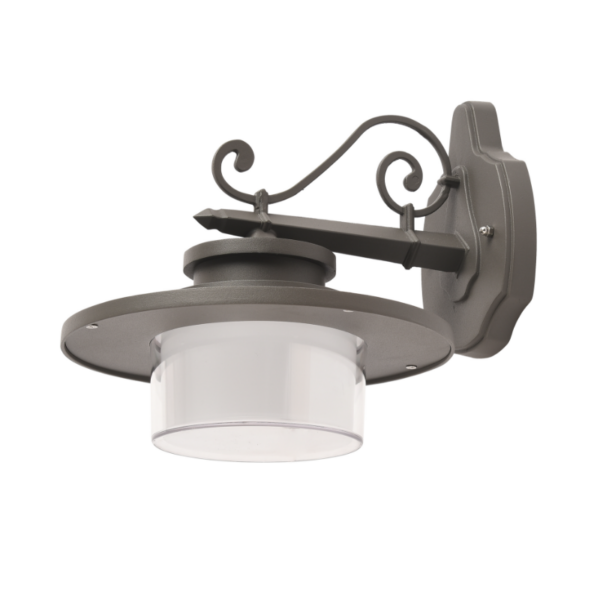
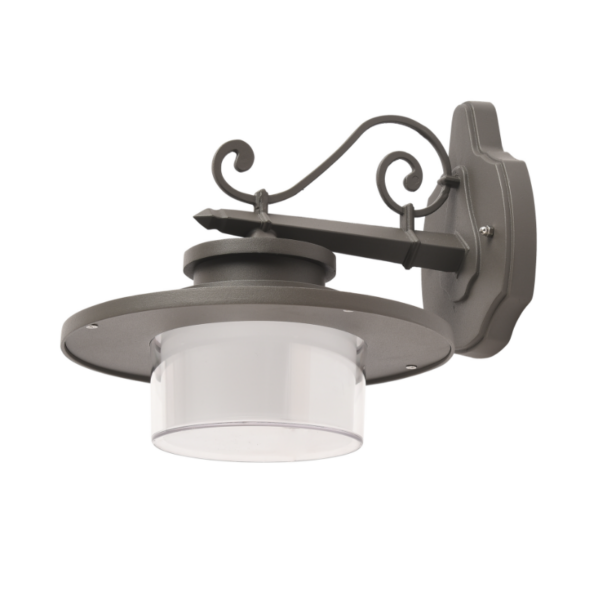
When commercial buyers evaluate exterior luminaires, safety and performance must be compared side by side rather than in isolation. For B2B purchases of motion‑sensor outdoor fixtures, factors such as spectral control, classification under IEC 62471, and sensor duty cycle affect both compliance and user comfort. It is useful to review product families, from a compact outdoor wall lamp meant for entrances to broader campus solutions described as outdoor wall lighting. This comparative approach reduces surprises on site and aligns procurement with operational goals.
Core photobiological metrics to compare
Please focus on three measurable dimensions: spectral power distribution (SPD), radiance/illuminance at occupant positions, and IEC risk group classification. SPD determines blue light content and correlated colour temperature (CCT); these influence the blue‑light hazard and visual comfort. Radiance and horizontal illuminance show what a passerby or resident will actually receive. Finally, IEC 62471 assigns risk groups (RG0–RG3) — a real‑world anchor used by lighting engineers and regulators — so confirming a fixture’s classification is essential for specification and liability management.
How motion sensors change the calculus
Motion sensors reduce average exposure but introduce new variables. A short on‑time with high peak intensity can still trigger photobiological concerns if the SPD is blue‑rich. Conversely, a lower CCT with moderated lumen output will often be safer even when activated frequently. Also consider sensor placement and detection patterns: a sensor aimed across a pathway may illuminate faces directly; one aimed downward with shielding reduces ocular exposure. For long corridors or alleys, sensor zoning is advisable to avoid repeated direct flashes.
Installation, optics, and field practice
Beam angle, mounting height, and shielding materially alter measured exposure. Narrow flood optics concentrate luminous intensity; wide batwing optics spread light and reduce peak radiance. Mount higher to lower illuminance at eye level, and prefer fixtures with full or partial shields if pedestrians will be close. — These simple adjustments often differentiate a compliant installation from one that requires rework.
Comparative checklist: what to request from suppliers
Ask vendors for the following documentation before a bid is accepted:
- IEC 62471 test report and declared risk group (RG0–RG3).
- Measured SPD and CCT at nominal drive current.
- Lumen output, luminous intensity distribution (IES file), and beam angle.
- Sensor specifications: detection pattern, hold time, and dimming profile.
- Mounting details and recommended shielding accessories.
Common procurement mistakes and remedies
Buyers often conflate lumen output with safety, assuming higher lumens simply mean better visibility. In fact, a higher lumen product with a blue‑heavy SPD can raise photobiological risk. Another mistake is accepting generic sensor settings; factory defaults may not suit the site. The remedy is to require on‑site verification: measure illuminance and perform a simple occupant line‑of‑sight check during commissioning. If possible, request a short field trial with representative motion profiles to validate both comfort and sensor logic.

Trade‑offs across suppliers
In comparative terms, the options usually fall into three groups: cost‑optimized fixtures with basic SPD control, mid‑tier solutions offering tailored optics and tested IEC reports, and premium systems that combine adaptive sensors with tunable SPD. Cost fixtures can meet nominal illuminance targets but may lack documented photobiological testing. Mid‑tier often offers the best balance for municipal or multi‑unit residential projects. Premium is justified where occupant exposure is frequent or where brand risk must be minimized — for example, near medical facilities or schools where conservative risk grouping is preferred.
Shared industry anchors and standards
It is important to align specifications with IEC 62471 and guidance from IES/CIE where relevant. These bodies provide recognized frameworks for classification and measurement, which helps reduce disputes between specifier and supplier. For practical procurement, require supplier test reports traceable to accredited labs. This single step prevents ambiguity and simplifies warranty and acceptance processes.
Advisory: three golden rules for selecting motion‑sensor exterior wall luminaires
1) Demand documented IEC 62471 classification and the SPD file. A declared risk group plus SPD allows you to assess blue‑light hazard versus design needs. 2) Specify sensor behavior as a performance attribute: include maximum on‑time, dim‑level between activations, and detection pattern in the contract. 3) Require photometric files (IES/LM‑63) and on‑site verification — do not approve based on datasheet lux figures alone.
Following these three rules will make tender comparisons objective and defendable, and they reduce retrofit costs and compliance headaches. For projects where both safety and aesthetic value matter, choosing a supplier that integrates photobiological testing with practical lumen control is the pragmatic path — and that is the value proposition often found in careful offerings from Keyida.
Practical light design wins.