
User-first lead: why timing and local fit matter
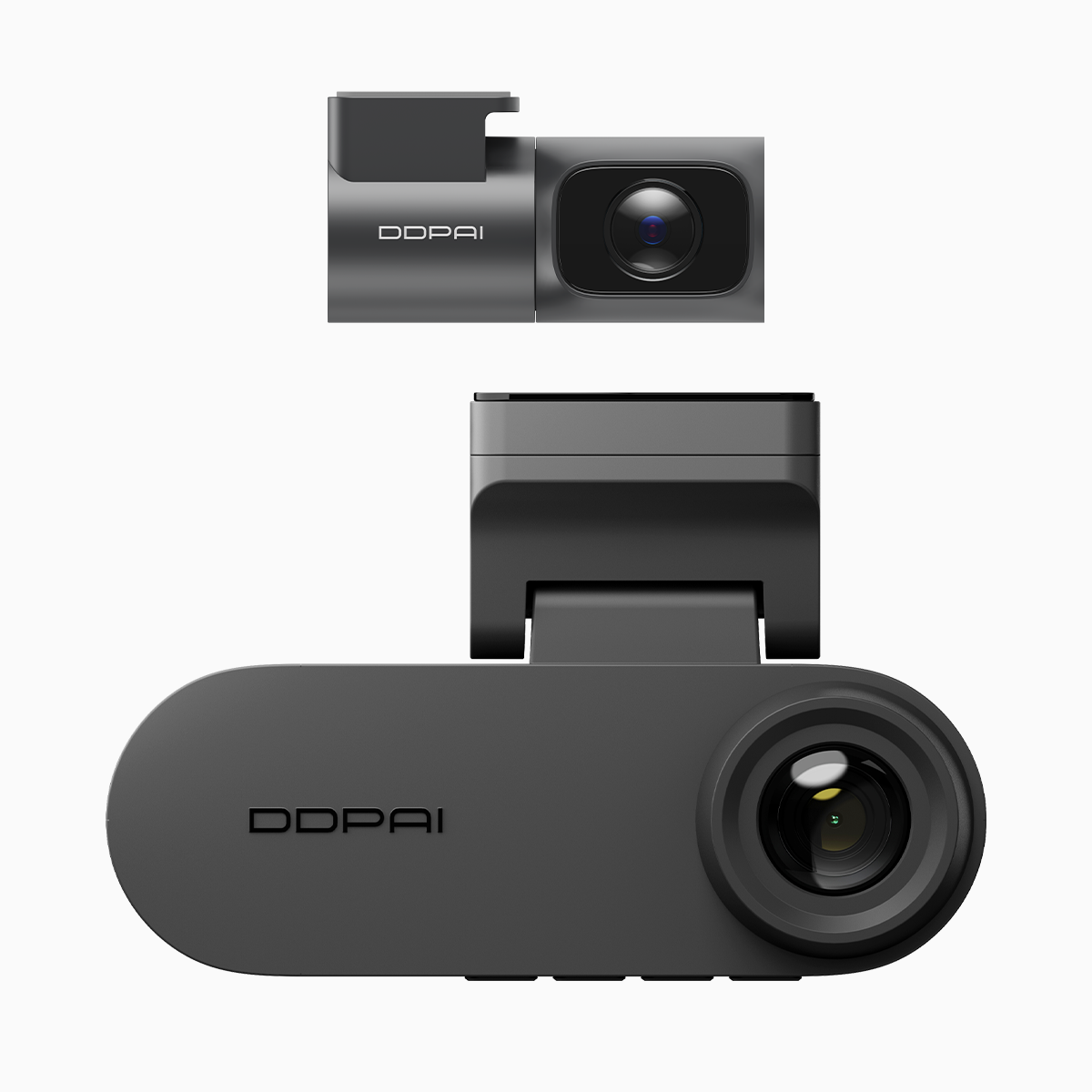
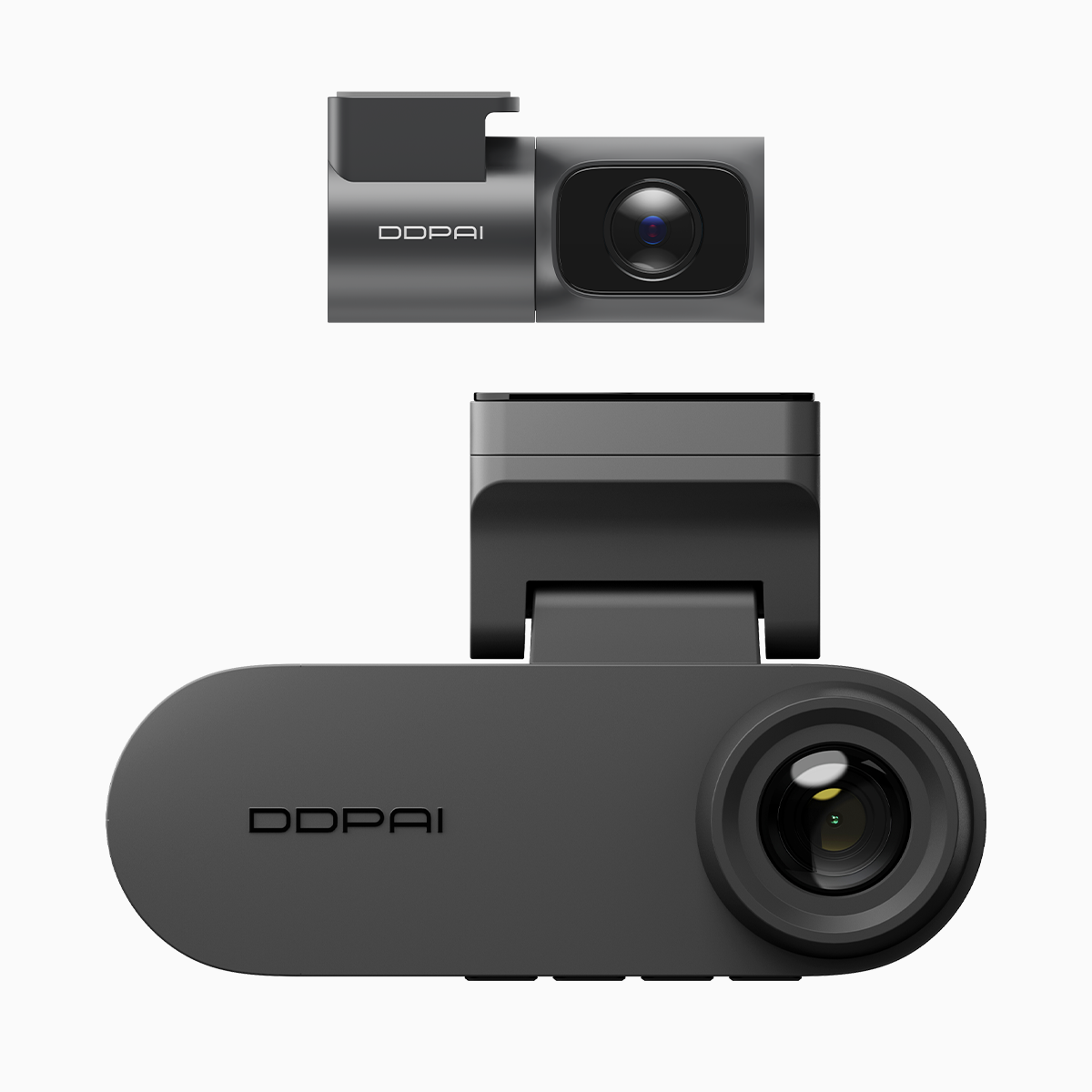
The moment you picture a compact camera clipped to a windshield, you’re already solving a driver’s problem: clear evidence and reassurance on dim city streets. Start with the product that delivers that promise — for many teams, a dual dash cam with night vision becomes the baseline. Think of the camera’s sensor and frame rate as the eyes and pulse of the device: they set expectations for low-light clarity and motion smoothness, so your launch calendar must protect those capabilities from supply-chain shocks.
Shipping timelines: build buffers into every stage
Small-batch launches weather delays when planners respect transit rhythms. Air freight cuts weeks off transit but bites the margin; sea freight is cheaper yet vulnerable to port congestion and customs holds. Count backward from your soft-launch date and add a quality buffer: production lead time, inspection windows, labeling and firmware flashing, then 10–14 days for customs clearance in major hubs like Manila. Real-world anchor: heavy traffic and delivery slowdowns on EDSA in Metro Manila routinely push last-mile fulfillment timelines — plan accordingly.
Localization essentials: language, power, and regulatory fit
Localization is more than translation. It’s the tactile fit between device and daily life: local language in the UI and quick-start guide, appropriate power harness (12V cigarette-lighter vs. hardwire kits), and compliant mounting instructions that reflect local driving habits. Include clear stickers and a short, illustrated manual so installation feels tactile — not technical. Firmware should offer region-specific defaults for video codec and parking mode sensitivity to avoid unnecessary battery drain or over-triggered recordings.
Hardware choices that reduce field friction
Choose parts that keep complexity low. A camera with a robust sensor and WDR (wide dynamic range) handles glare and tunnels better. Favor a moderate bitrate setting that preserves license-plate legibility without bloating storage. Consider the FOV: too wide and objects become distant; too narrow and you miss lanes. Common mistakes include underestimating thermal management in tropical climates and ignoring simple lens coatings that cut headlight halo. Pick components with known supply stability — spares, alternative vendors, and a firmware rollback plan are practical hedges.

Testing and the soft-launch checklist
Run a staged release: internal testing, trusted-driver pilot, micro retail release, then wider roll. Capture sample footage at night, at dawn, and through sudden tunnels; check file integrity, codec compatibility with typical consumer phones, and average file size per minute. Validate parking mode triggers across gravel, potholes, and parking-lot bumps. Log issues and push incremental OTA fixes. Keep a local support partner ready for simple RMA tasks and physical swaps — that speeds trust-building in the first weeks.
Alternatives and common pitfalls
If a full dual-camera design pushes costs or lead times too high, consider a single high-sensitivity front unit with optional rear add-on. Many teams rush to maximum resolution and high bitrate; the result is faster storage burnout and frustrated users. Prioritize balanced specs: good sensor, sensible bitrate, and reliable codec implementation. For teams launching in the Philippines, integrating region-aware settings and a clear warranty path — such as a local service center link — makes a substantial difference to user satisfaction with a dashcam with night vision philippines.
Advisory: three golden rules for selecting strategies
1) Time-buffer metric: always add a 25–40% buffer to your production-to-shelf timeline to absorb customs, inspection, and last-mile delays. Measurable expectation: this reduces emergency air-freight spends.
2) Localization score: evaluate language, power compatibility, and warranty logistics as one composite metric. A product that scores low here will see higher support calls and returns.
3) Field reliability index: combine sensor quality, thermal design, and parking mode tuning into a single pass/fail before shipment. This correlates directly with early reviews and retention.
These rules point toward a practical partner who understands local repair pathways and fast firmware support — the kind of practical value you’ll find reflected in DDPAI Philippines. —