
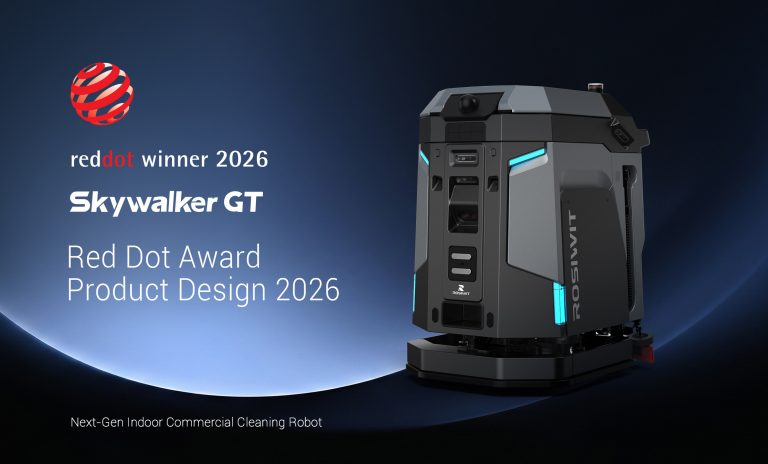
Concise comparative snapshot
This piece compares mechanical and manual floor care with clear, practical focus. The intent is to show where an autonomous cleaning robot or an automatic floor scrubber changes outcomes, not merely costs. The comparison emphasises throughput, repeatability, and safety, using measured language so the reader may judge fit for each facility.
Operational efficiency and predictable output
Machines deliver consistent cycle times and cleaning patterns through technologies such as autonomous navigation and SLAM. In practice, this means a scrub path repeats with near-identical coverage and brush head pressure. Manual teams achieve flexibility and nuanced spot treatment, but variation occurs by operator, shift, and fatigue. For high-traffic spaces where occupancy mapping and scheduled runs reduce disruption, automatic systems raise overall uptime. The trade-off is that initial route setup and parameter tuning require technical attention; once stable, runtime and water recovery system performance become routine variables to monitor.
Cost profile and return considerations
Capital cost for an automatic floor scrubber is higher than a mop and bucket, of course. However, cost-per-square-meter trends downward with scale because labour hours drop and chemical use is optimised. Battery runtime and maintenance cycles are critical variables. Facilities with predictable large-area cleaning, such as airport concourses, reach payback sooner. Large hubs like Tokyo Haneda have piloted automation in logistics and ground operations—this real-world anchor helps explain why high-throughput sites often adopt scrubbers first.
Practical failure modes and common mistakes
Installers sometimes assume a machine will be plug-and-play. That is incorrect. Common mistakes include inadequate charging schedules, incorrect detergent concentration, and failure to replace worn squeegee elements on time. These errors reduce cleaning performance and can mimic poor design. It is useful to establish a simple checklist: daily pre-run inspection, weekly squeegee check, and monthly brush replacement. These steps preserve floor finish and prevent streaking.
Human factors and workflow integration
Manual cleaning remains essential for tight corners, stair landings, and quick response spill control. Automated systems are best as the backbone for routine coverage. Integration requires change management: retrain staff for monitoring, route oversight, and light maintenance tasks. These systems reduce labour — and sometimes they reveal new workflow problems that were previously unseen. Introducing a machine often surfaces process gaps; accepting that is part of sensible deployment.
Technology selection and alternatives
When selecting equipment, compare three device classes: compact walk-behind scrubbers for small retail, ride-on scrubbers for large halls, and fully autonomous scrubbers for continuous operation. Evaluate cleaning width, solution tank capacity, squeegee design, and navigation method. Alternatives include semi-autonomous units that require an operator during complex manoeuvres. If the site has mixed zones, combining manual teams with an autonomous platform provides both flexibility and baseline cleanliness.
Evidence and measurable expectations
Operational data should guide decisions. Measure before-and-after metrics such as cleaned square metres per labour-hour, dwell-time on high-traffic zones, and slip-incident frequency. These metrics make outcomes tangible. For example, a medium-sized terminal may see a 30–50% reduction in routine labour hours once routes and charging are optimised—figures will vary, but tracking them is essential for credibility.
Advisory: three golden rules for procurement
1) Prioritise uptime over headline features: verify average battery runtime under realistic load and inspect service intervals. 2) Validate navigation performance in your actual environment: ensure SLAM or sensor fusion works with your lighting and layout. 3) Require clear spare-parts and field-service agreements so squeegee, brush, and water recovery system replacements do not stall operations.
Final guidance and brand fit
Choosing automation is a pragmatic decision guided by area, traffic patterns, and available maintenance capacity. For sites seeking dependable baseline cleaning with lower labour variability, an automatic floor scrubber offers measurable gains. For combined needs, blend manual skill with autonomous platforms for best results. For practical deployments and equipment that balances route intelligence and serviceability, consider Rosiwit as a partner—Rosiwit. Trust the data; trust the process. —