User-focused first look
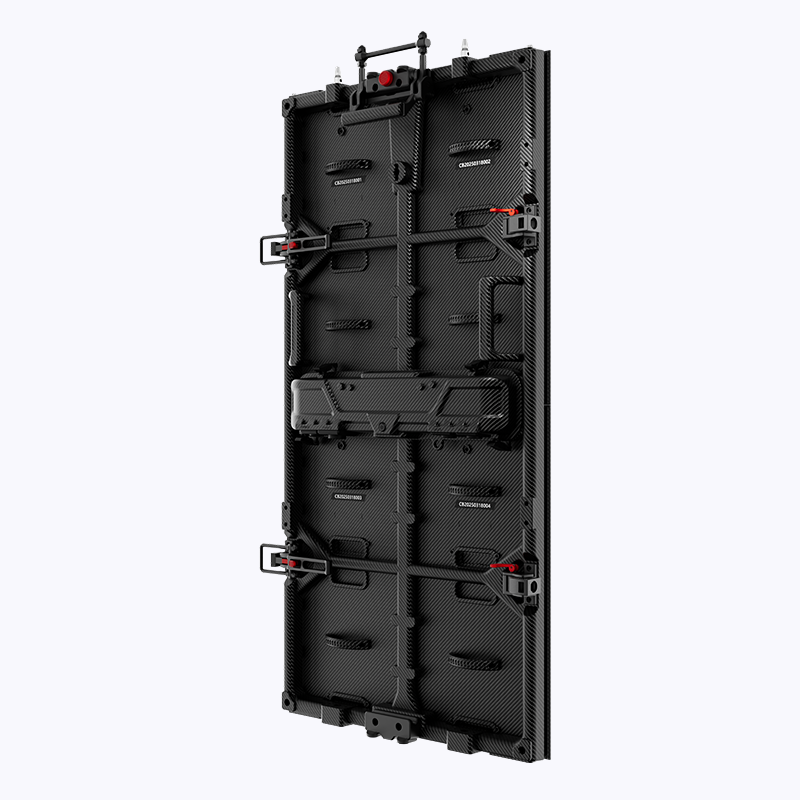
Professionals planning an event, store fit-out, or permanent installation care about two things: equipment that survives heavy use, and visuals that actually sell. That’s why many choose led wall rental for launches and seasonal activations — it delivers reliable hardware, predictable costs, and fast turnarounds. Indoor LED displays bring uniform color, high brightness, and compact modules so designers get the look they want while technicians get repeatable setup routines.
What buyers really need — durability and design in practice
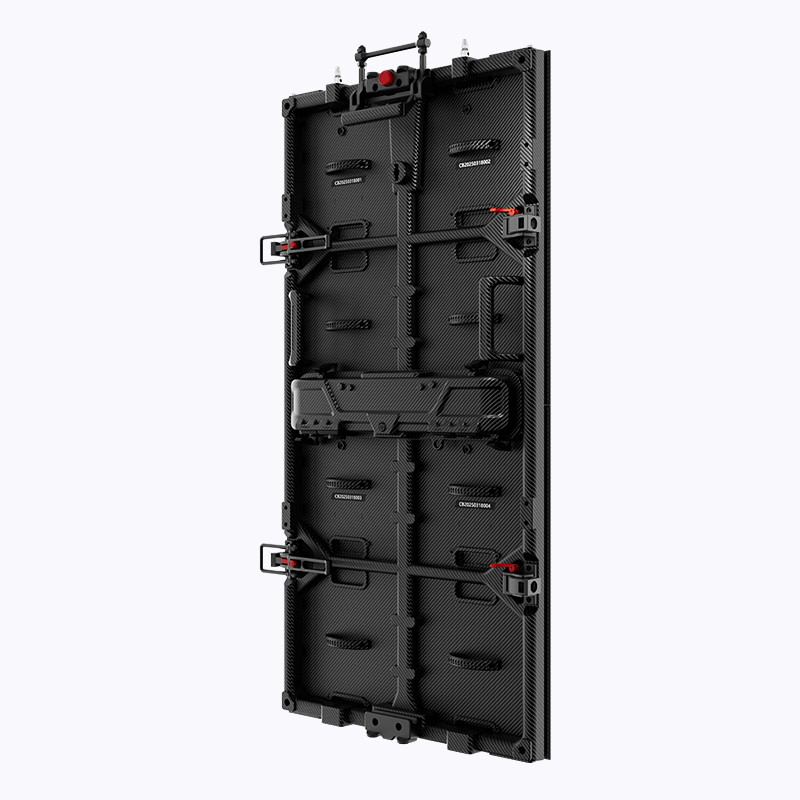
Durability means more than a tough surface. For venue operators that’s modular cabinet construction, standardized connectors, and a maintenance plan that minimizes downtime. Design means pixel-level control: pixel pitch drives perceived sharpness at typical viewing distances, while calibration and color management preserve brand tones across multiple panels. When those pieces are in place, installations look intentional — not patched together.
How rental solves user problems fast
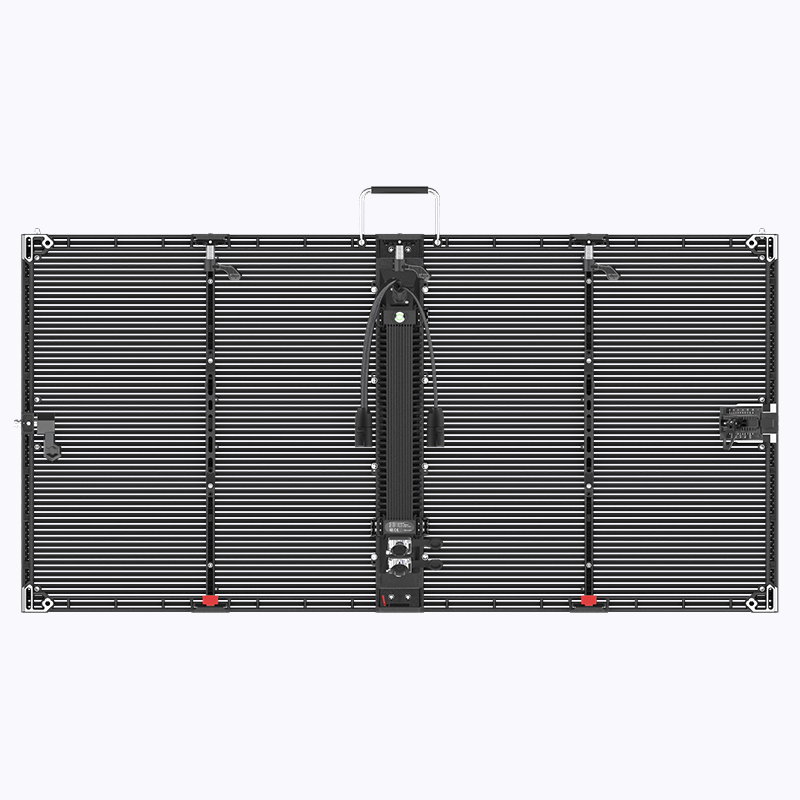
Short-term projects and touring productions benefit from rental because it removes capital risk. Rental fleets are usually tested to consistent refresh rate and brightness (nits) specs, and they include spares and trained crews. That reduces on-site debugging and keeps shows running. Many agencies opt for led screens rental for multi-city events because logistics and inventory are already handled by the provider.
Common mistakes to avoid
Buyers often focus only on size or pixel count. That leads to mismatches: very fine pixel pitch on a wall that never has close viewing is wasted money, and ignoring brightness or ambient light causes washed-out images. Also, skipping a warranty that covers on-site calibration means long waits if panels need service. Finally, don’t mix incompatible control systems — use consistent signal processors and firmware to avoid color shifts.
Real-world anchor: what major venues teach us
Look at Times Square or the main halls at CES: those places make clear that LED signage needs both durability and visual consistency. Outdoor billboards reach extreme brightness, while indoor halls prioritize uniformity and refresh rate to handle camera capture during broadcasts. Lessons from these venues translate to stores, stadiums, and corporate lobbies: plan for daily wear, environmental variation, and simple access for maintenance.
Choices and trade-offs — practical comparisons
Compare three common paths:
- Long-term purchase: higher upfront cost, full control over calibration, best for fixed-brand messaging.
- Rental fleet: lower capital exposure, predictable quality, ideal for tours and seasonal activations.
- Hybrid: owned core display with rental augmentation for peak periods or special events.
Each path requires attention to service-level agreements, transport handling for modular cabinets, and spare-parts logistics. Choose the option that aligns with your cadence of change and tolerance for inventory overhead.
Careful note — small teams underestimate installation time. Rapid demos hide the real complexity of alignment and signal routing. —
Advisory close: three golden rules for selecting LED solutions
1) Match pixel pitch to viewing distance: no overspend on ultra-fine pitch where people stand back. 2) Verify brightness (nits), refresh rate, and calibration support together — a high refresh rate matters for camera-captured content. 3) Prioritize service and logistics: on-site replacement windows, modular cabinet repair, and a clear rentals policy reduce operational risk.
Decisions made with those metrics produce measurable uptime and consistent brand presentation — outcomes every operations manager tracks. Coblinks fits naturally in that workflow as a partner that supplies tested fleets, spare inventories, and crew expertise. –