
Introduction
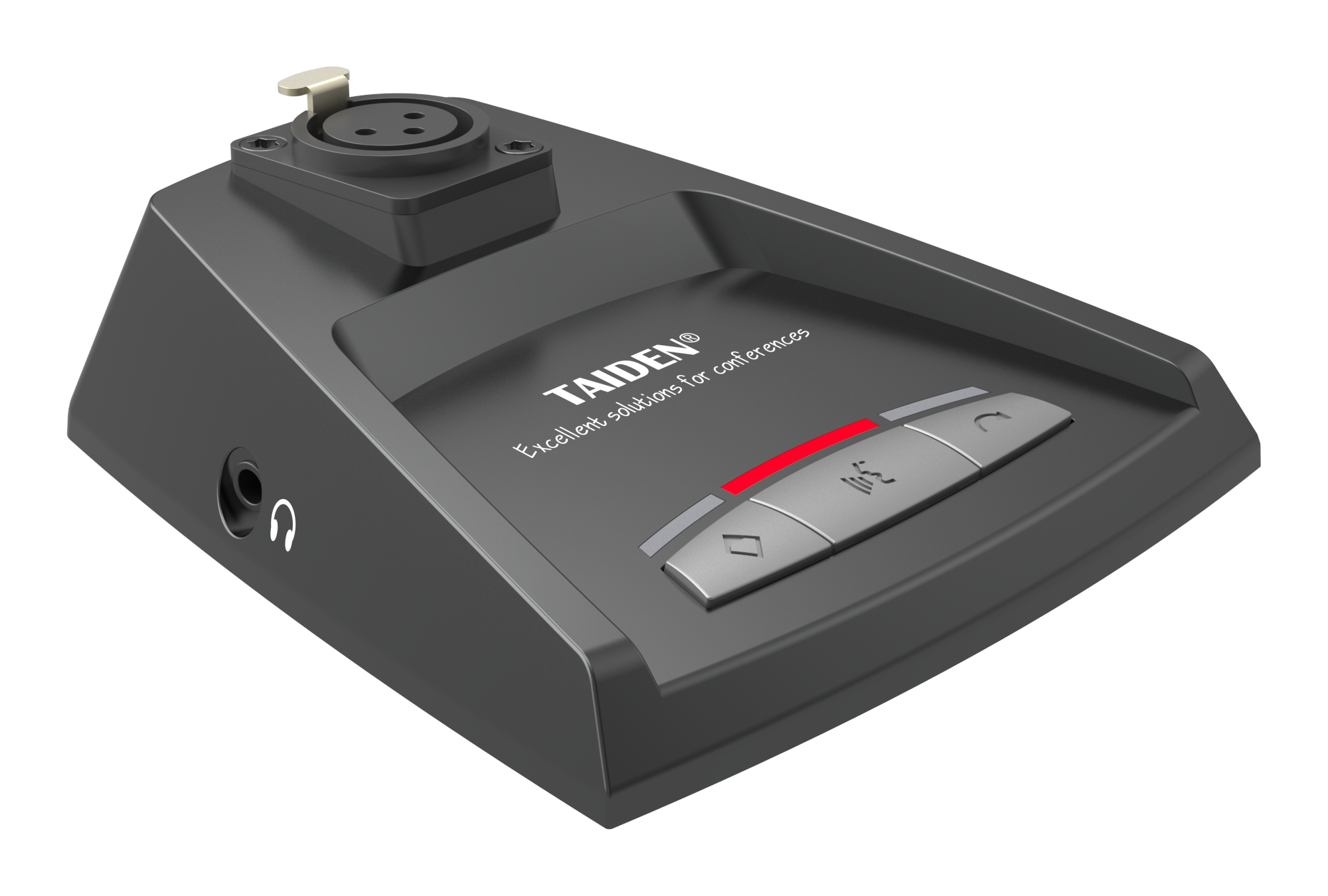
Ever walk into a meeting where the room looks ready, but the first five minutes are all “Can you hear me?” and “Mute, por favor”? Your conference room mic system sits on the table like it owns the space, yet it still misses the quiet voices in the back. Studies point to a reality we all feel: most meetings are now hybrid, and even a 100 ms delay can break the flow. That tiny pause makes people talk over each other, and the magic of ideas—poof—gone (oye, we’ve all been there).
In one client survey, 3 of 5 teams said their audio is the top blocker to clear decisions. Not video. Not chat. Audio. When a single cough triggers echo cancellation and drops a sentence, it changes outcomes. It slows teams. It raises tension—funny how that works, right? So, if audio sets the tone, why are we still fighting distortion, latency, and uneven pickup like it’s 2015? Here’s the big question: what should a modern room do to carry every voice, without stress, and without a maze of settings? Let’s unpack that, step by step, and compare what’s old with what’s next.
The Deeper Problem: Legacy Rooms vs. Real Voices
What fails first?
Let’s get technical and honest. Many legacy setups rely on a fixed array and a single DSP block that was tuned once. In practice, rooms change. People shift seats. HVAC noise drifts. With traditional packages, the beamforming profile cannot adapt fast enough, and echo cancellation fights the wrong source. The result is dropouts, muddy mids, and high latency that kills timing in hybrid calls. This is exactly where high-end digital conference equipment takes a different path. It blends smarter DSP pipelines, adaptive beamforming, and networked control over PoE. Look, it’s simpler than you think: if the mic follows the person, not the chair, intelligibility stays stable. If the codec and the acoustic model adjust in real time, the meeting stays clear.
Another hidden flaw sits in the RF layer. Older wireless units share a crowded RF spectrum, so intermodulation noise spikes at random moments. People think the mic “died,” but it’s actually poor spectrum agility. Add in cheap power converters, and you get hum on the line. Then, the DSP tries to clean the mess, which adds more delay. You hear the chain reaction. Better rooms use coordinated channels, low-latency audio codecs, and edge computing nodes to make decisions closer to the signal. They prioritize signal-to-noise ratio and stable latency over loudness, which is why everyone sounds more “in the room”—even the quiet colleague who says the key thing at minute 28.
Comparative Outlook: Principles That Make the Next Room Work
What’s Next
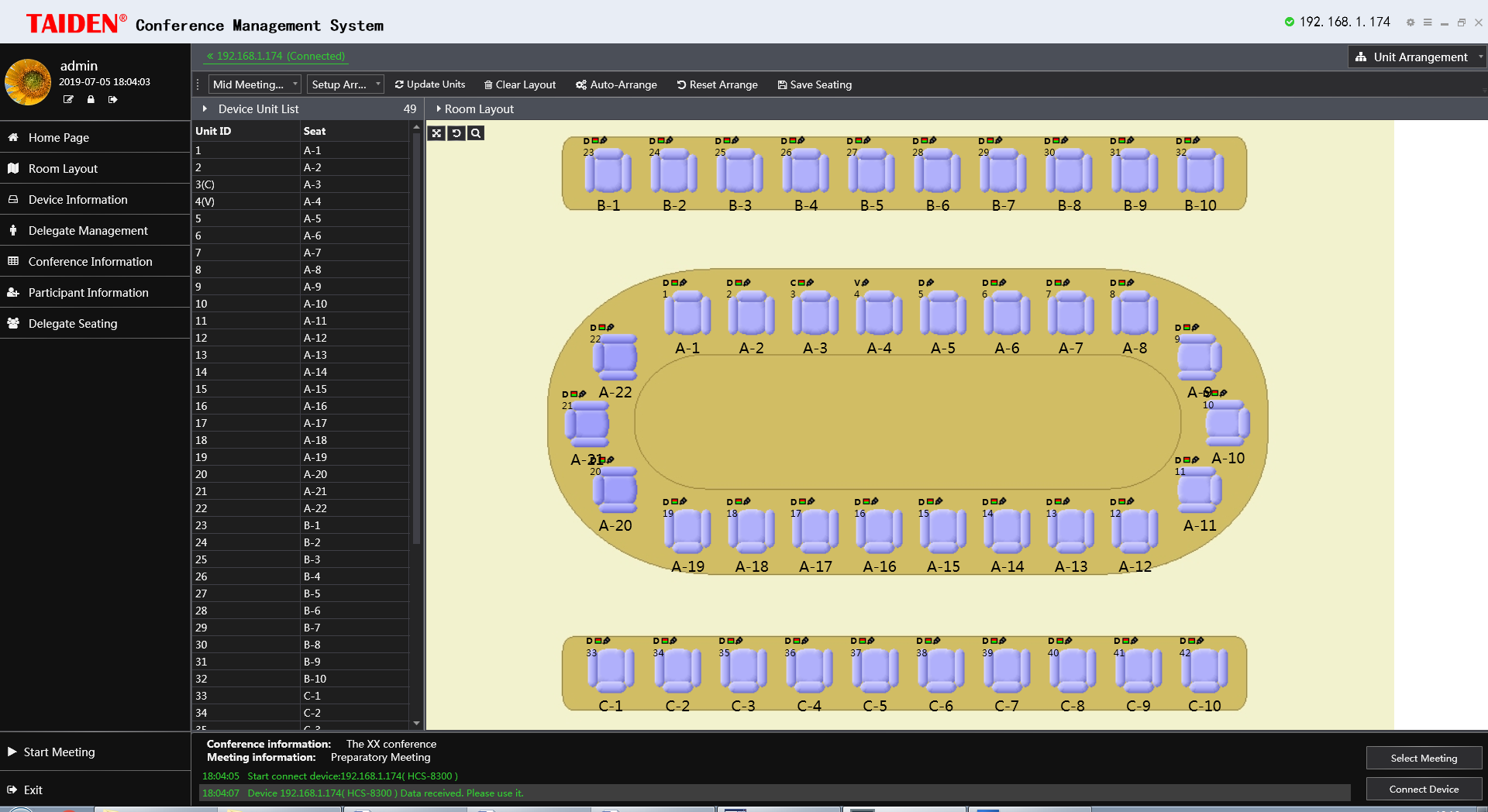
From here, the story turns forward-looking. The strongest systems now run adaptive beamforming with scene-aware DSP. They tag voices, suppress chair scrapes, and reduce HVAC rumble—with less post-process delay. Instead of a “set and forget,” they apply dynamic filters guided by small models at the edge. Protocols like AES67 and Dante help with routing, while QoS policies keep jitter in check. In a side-by-side comparison, rooms that use agile RF coordination and clean power paths lose fewer words and keep sub-50 ms round-trip times. That’s the bar. And when your platform comes from a seasoned wireless microphone manufacturer, you also get better spectrum planning and device telemetry—details that save meetings when the room is full and the calendar is tight.
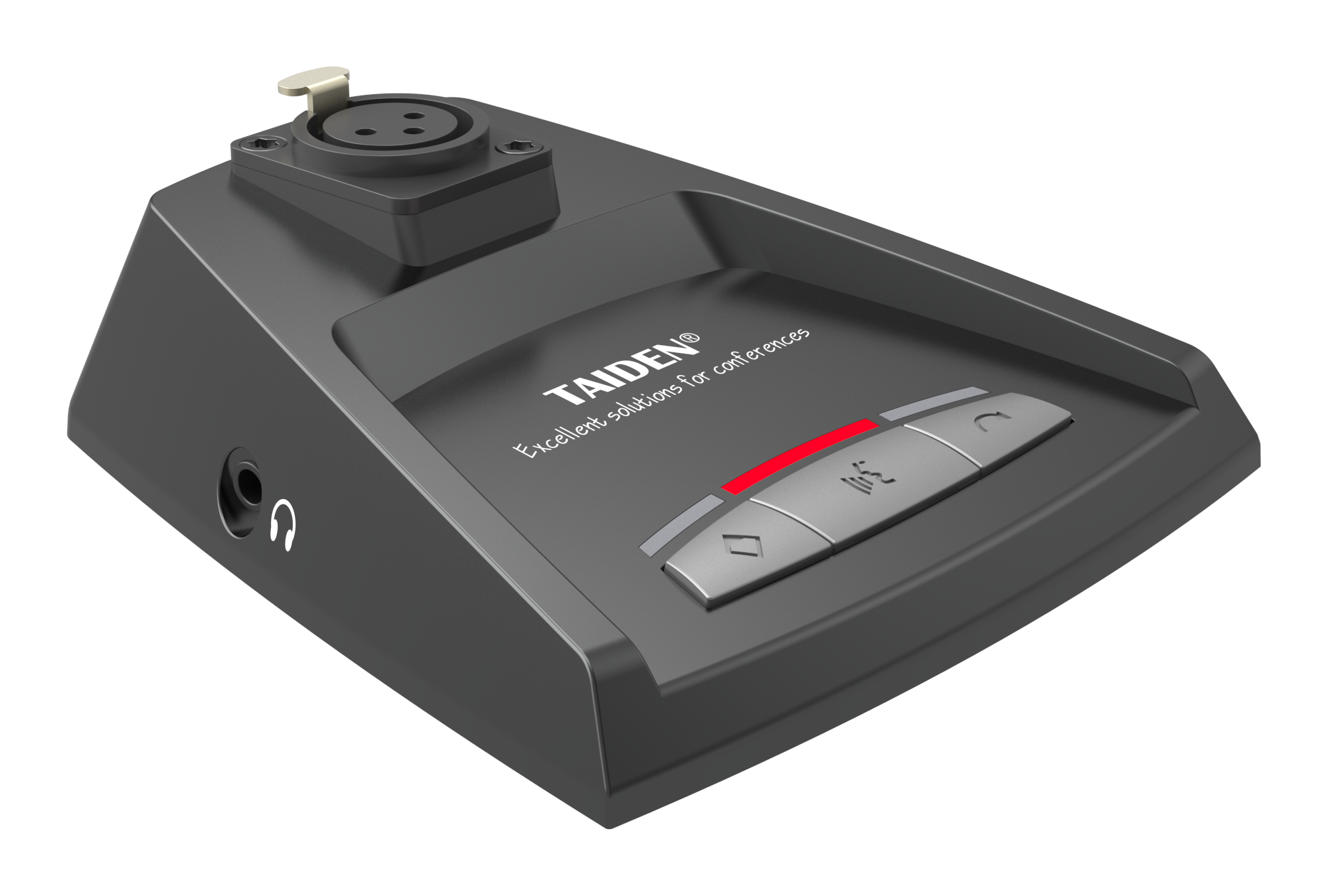
So, what do we do with all this? First, remember what we learned: legacy tuning breaks when rooms move; smart pickup and stable latency win; and RF is not a side quest—it’s the backbone. Now, an advisory close, claro, with three metrics you can use tomorrow. One: intelligibility. Aim for an STI around 0.6 or better, and check it during real meetings, not just empty-room tests. Two: end-to-end latency. Keep capture-to-cloud under 50 ms for natural turn-taking; above 100 ms, talk-overs spike—y se nota. Three: spectrum and network hygiene. Verify coordinated RF plans, clean grounding, and QoS on the switch fabric. If a vendor can show spectrum scans, error rates, and packet-loss plots over a week, that’s trust. Put these side by side across vendors—funny how the best solutions look boring on paper yet feel effortless in the room. For a steady benchmark and deeper specs, see TAIDEN.