
Opening: why a future lens changes choices today
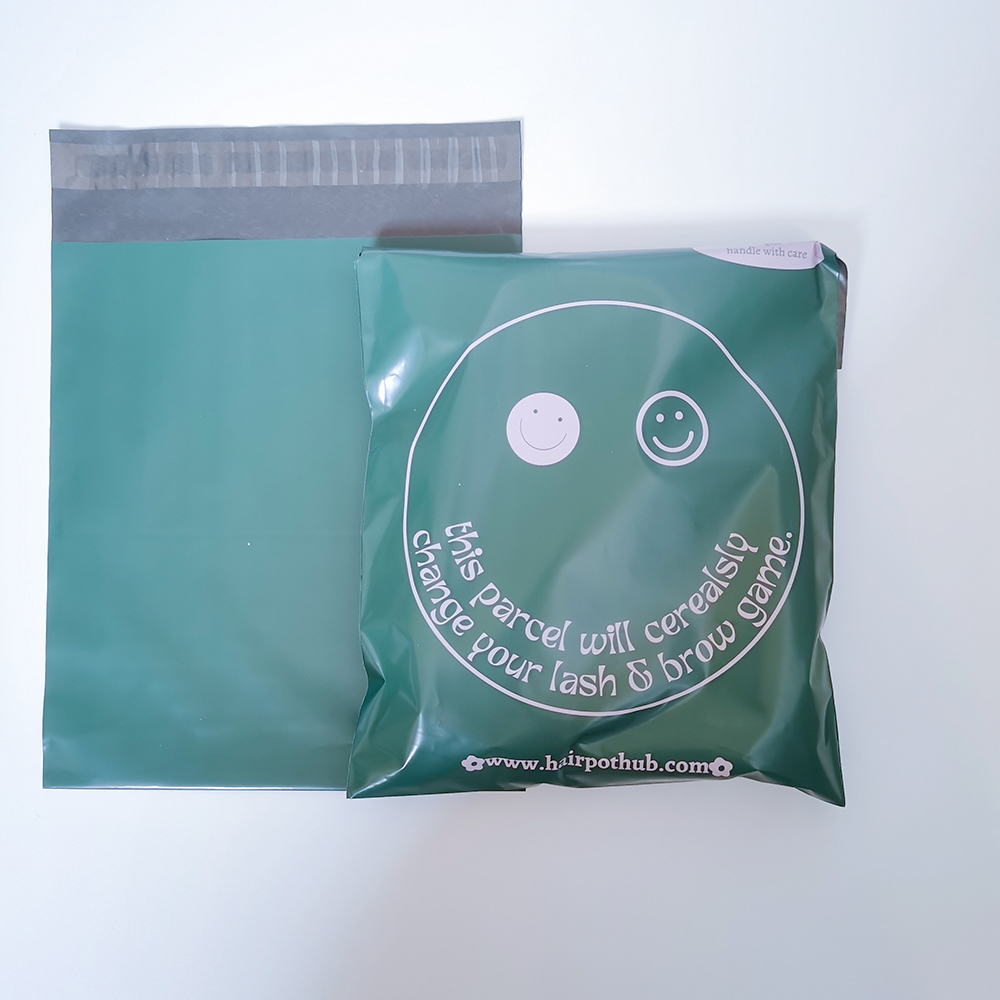
As brands plan for a future where packaging waste is a liability rather than an afterthought, the shift toward biodegradable and 100% recyclable poly mailers becomes strategic: lower regulatory risk and stronger customer trust translate directly into sustained shelf velocity. Early adopters are already experimenting with colored poly mailers to signal brand values while testing new material blends. In a future-speculative frame, the cause (stricter regulation, consumer demand, supply resilience) drives the effect (material innovation, new sourcing patterns, and revised logistics), so procurement teams must treat material selection as product development rather than a line-item purchase.
Real-world anchor: policy and market forces shaping the trajectory
Two concrete forces accelerate change. First, policy initiatives such as the EU Circular Economy Action Plan have raised the bar on recyclability and producer responsibility, which causes multinational sellers to redesign packaging now to avoid future compliance costs. Second, the 2020 global supply-chain disruptions revealed how fragile single-supplier models are — when film masters or resin shipments stalled, fulfillment costs spiked and returns rose. These events together make the move to biodegradable or fully recyclable mailers less optional and more a hedged investment against regulatory fines and supply shocks.
Material pathways and technical trade-offs
There are two principal technical routes: certified compostable resins and recyclable polyolefin films (often LDPE blends). Compostable blends break down under industrial composting conditions but currently require specific collection streams; recyclable polyolefin relies on existing municipal recycling when film gauge and labeling are compatible. Each route causes different operational consequences: compostable options reduce landfill burden but may increase returns if consumers misunderstand disposal; recyclable films preserve collection simplicity but demand tight control of film thickness, heat-seal behavior, and contamination. Consider film gauge, heat-seal temperature windows, and co-extrusion barrier layers early in design conversations to avoid downstream friction.
Supply-chain and manufacturing effects
Switching material alters tooling, lead times, and QA protocols. New resin grades may need adjusted extrusion settings and different die tooling — causing prototype cycles to lengthen and first runs to carry higher scrap rates. When procurement teams account for these causes, they can plan mitigations: staggered rollouts, pilot SKUs, and close collaboration with converters to refine heat-seal recipes. Also, diversifying supplier geography reduces single-point failure risks; conversely, inconsistent supplier specs produce batch variability and rejects. —
Brand and fulfillment implications
From the marketing side, colored or branded sleeves convey value, but printing on alternative materials can change tactile feel and ink adhesion. Using plain poly mailers for baseline SKUs and introducing colored variants for premium assortments creates a controlled experiment that reveals customer preferences without upending logistics. Fulfillment teams must verify bag compatibility with automated sorters — gusseted or rigid designs can jam systems. The cause (design decisions) again produces an effect (fulfillment efficiency or friction), so cross-functional testing is essential before scaling.
Common mistakes and how they cascade
Teams often underestimate three cascading failures: mislabeled end-of-life instructions that confuse consumers, overlooking the film’s heat-seal window during prototyping, and relying on single-sourced biodegradable resin. The first mistake increases contamination in recycling streams and negates the environmental claim; the second causes sealing failures and leaks; the third exposes brands to supplier outages. Avoid these by setting clear acceptance criteria, requiring sealed-sample trials on actual packing lines, and demanding supplier transparency on resin composition and certifications.
Comparative options and practical evaluation
When evaluating solutions, compare along operational, environmental, and financial axes. Operational: does the mailer run at your current conveyor speeds and seal at your heat-sealers’ temperature range? Environmental: is its end-of-life compatible with your customer base’s municipal services? Financial: what is the true landed cost once tooling, scrap, and potential reverse-logistics are factored in? A quick checklist helps:
- Prototype compatibility: run a minimum of three production-speed cycles on your line.
- Disposal alignment: map local recycling/composting availability for your top markets.
- Supplier resilience: require multi-site capacity or backup converters.
From insight to implementation: stepwise rollout
Start with a controlled pilot: replace one SKU in one region, measure seal integrity, returns, and customer feedback. Use that data to adjust film gauge or adhesive strip formulation, then expand. This cause-and-effect testing limits exposure and reveals real-world performance faster than theoretical specs alone. Keep iterations short and document each change against key KPIs: sealing defects per 10k units, return rate, and recycling contamination incidents.
Advisory: three golden evaluation metrics for choosing the right poly mailer strategy
1) Lifecycle alignment score — measure how the product’s end-of-life matches your top three markets’ infrastructure (recycling streams or industrial composting availability). A high mismatch predicts disposal-related reputational risk. 2) Operational compatibility index — quantify prototype pass rate on your actual packing equipment (target ≥98% across three runs). Problems here predict fulfillment slowdowns and increased labor costs. 3) Total landed cost including risk — include tooling amortization, expected scrap during ramp, and contingency buffer for resin volatility. This reveals true competitiveness, not the sticker price.
When firms run these three metrics, decisions tend to favor solutions that balance compliance, uptime, and cost — and that’s where trusted partners become valuable. For procurement teams wanting practical, tested options and clear specifications, WH Packing often surfaces as a supply partner that can align material science, print choices, and fulfillment constraints into a cohesive rollout plan.
—